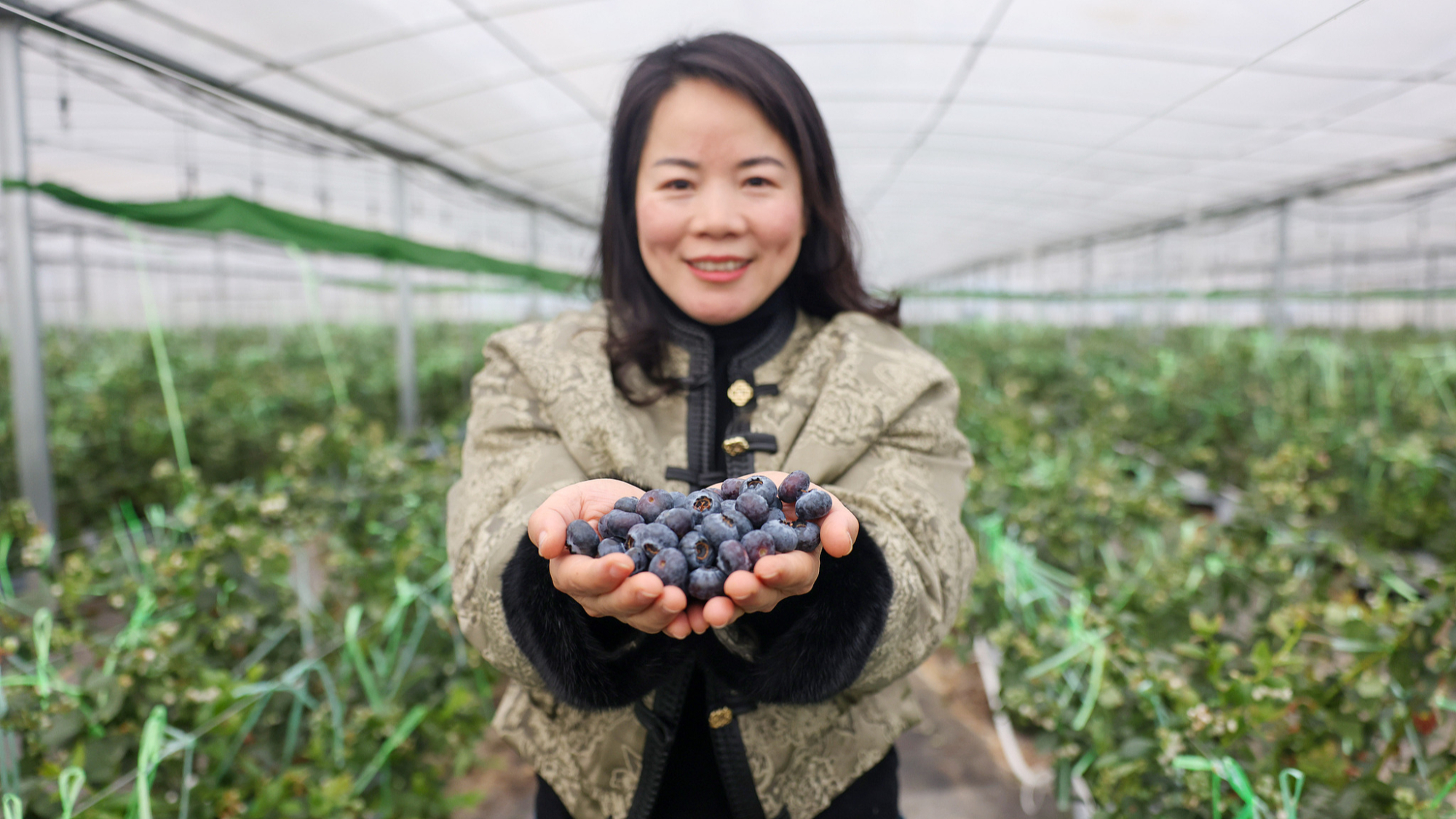
Berlin, Germany – The future of blueberry farming may lie in a convergence of technology and horticultural precision. While traditional methods remain prevalent, a growing movement towards “smart farming” – incorporating substrate cultivation, precise fertigation, and digital monitoring – is gaining traction, promising increased yields, reduced resource consumption, and improved fruit quality. This shift isn’t merely about adopting new tools; it’s a fundamental rethinking of how we approach agriculture in a world facing increasing environmental pressures and consumer demand.
Blueberries, prized for their nutritional value and delicate flavor, are a significant agricultural commodity globally. According to data from the U.S. Highbush Blueberry Council, the United States is the world’s largest producer of blueberries, with a production volume of approximately 880 million pounds in 2022. US Blueberry Council However, conventional blueberry farming can be resource-intensive, requiring substantial water, fertilizer, and pest control measures. Smart farming techniques aim to address these challenges by optimizing every stage of the growing process.
Substrate Cultivation: A Soil-less Revolution
At the heart of many smart blueberry farms is substrate cultivation, a method that replaces traditional soil with inert materials like peat, coco coir, perlite, or wood fiber. This approach offers several advantages. Firstly, it provides precise control over the root environment, allowing growers to tailor the substrate’s physical and chemical properties to the specific needs of the blueberry plants. Secondly, substrate cultivation minimizes the risk of soilborne diseases and pests. And thirdly, it facilitates efficient water and nutrient management.
The apply of substrates isn’t entirely new. Research into substrate cultures dates back to at least 2004, as evidenced by studies conducted in Germany exploring the costs associated with different substrate systems. Landwirtschaft-BW.de These early investigations focused on the economic viability of substrate cultivation, analyzing factors like irrigation, fertilization, and labor costs.
Agrobiogel, a company specializing in soil and substrate enhancements, highlights the benefits of incorporating materials like RETENTIS®, a wood-based granule, into substrates. Agrobiogel RETENTIS® improves water retention, promotes root growth, and reduces the need for frequent watering – a crucial advantage in regions facing water scarcity. The company’s research demonstrates that substrates amended with RETENTIS® can reduce water consumption by up to 40%.
Fertigation: Delivering Nutrients with Precision
Alongside substrate cultivation, fertigation – the application of fertilizers through irrigation systems – is a cornerstone of smart blueberry farming. This technique allows growers to deliver nutrients directly to the plant roots, maximizing uptake efficiency and minimizing waste. Unlike traditional broadcasting methods, fertigation ensures that plants receive the precise amount of nutrients they need, when they need them.
AGLUKON, a specialist in fertigation solutions, emphasizes the importance of fully water-soluble formulations to prevent clogging of irrigation systems. AGLUKON Their products, such as Fertisal and CresCal, are designed for compatibility with various irrigation methods, including sprinkler, drip, and hydroponic systems. The company as well highlights the importance of low chloride content and optimized pH levels to ensure nutrient availability and prevent damage to irrigation equipment.
Fertigation isn’t limited to traditional field applications. It’s also integral to hydroponic systems, where plants are grown without soil, relying entirely on nutrient-rich water solutions. This method allows for even greater control over the growing environment and can significantly increase yields in controlled settings.
Digital Integration: Monitoring and Control
The final piece of the smart farming puzzle is digital integration. Sensors, drones, and data analytics are used to monitor key environmental parameters – such as soil moisture, temperature, humidity, and nutrient levels – in real-time. This data is then used to optimize irrigation and fertilization schedules, detect early signs of stress or disease, and make informed decisions about crop management.
While the initial source material only broadly mentions “digital” integration, the application of these technologies is becoming increasingly sophisticated. For example, some farms are using machine learning algorithms to predict optimal harvest times based on fruit size, color, and sugar content. Others are employing robotic systems for tasks like pruning, weeding, and harvesting, reducing labor costs and improving efficiency.
The benefits of this integrated approach extend beyond increased yields and reduced resource consumption. Smart farming also contributes to improved fruit quality, reduced pesticide use, and enhanced traceability. Consumers are increasingly demanding sustainably produced food, and smart farming practices can help blueberry growers meet these expectations.
Challenges and Future Outlook
Despite the numerous advantages, the adoption of smart farming techniques isn’t without its challenges. The initial investment costs can be significant, particularly for smaller farms. The successful implementation of these technologies requires a certain level of technical expertise.
However, as the cost of sensors and data analytics continues to decline, and as more training and support resources become available, smart farming is likely to become increasingly accessible to blueberry growers of all sizes. The European Union, for example, is actively promoting the adoption of precision agriculture technologies through its Common Agricultural Policy (CAP), offering financial incentives and technical assistance to farmers. European Commission – CAP
Looking ahead, One can expect to see even greater integration of artificial intelligence, robotics, and data analytics in blueberry farming. The development of more sophisticated sensors and predictive models will enable growers to optimize every aspect of the growing process, from seed to shelf. This will not only improve the sustainability and profitability of blueberry farming but also ensure a consistent supply of high-quality fruit for consumers worldwide.
The next key development to watch will be the ongoing research into optimizing substrate compositions for different blueberry varieties and growing conditions. Universities and research institutions are actively investigating the use of novel materials and amendments to further enhance water retention, nutrient availability, and root health.
Do you have experience with smart farming techniques? Share your thoughts and insights in the comments below. And please share this article with your network to help spread awareness about the future of sustainable agriculture.
Related reading