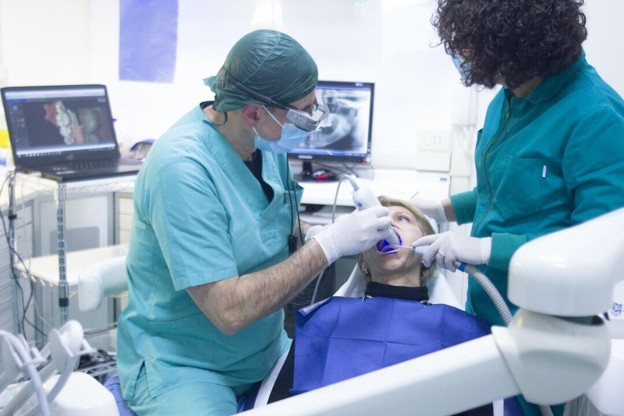
This operational and clinical shift allows practices to expand their service offerings while fostering long-term patient retention.
Implementing sophisticated restorative protocols requires precise treatment planning to secure durable clinical outcomes. For patients requiring full-mouth rehabilitation, clinicians emphasize the necessity of structured workflows that improve bite alignment and support long-term jaw health. Contemporary dental practices utilize advanced technologies not merely for superficial corrections, but to establish predictable structural foundations for oral health.
Digital Integration and CAD/CAM Advancements
The integration of digital technology has fundamentally transformed how clinics handle complex crown and bridge procedures. Office personnel spend considerably fewer hours pouring molds and managing shipping logistics with dental laboratories.
Through digital design and fast in-office milling units, turnaround times for custom restorations have dropped significantly. This efficiency keeps operatories open for high-value procedures. Furthermore, precise digital files facilitate seamless communication between dental teams and external laboratories, minimizing the frequency of adjustments required during final seating appointments.
Intraoral Scanners Set New Chairside Standards
These 3D imaging tools enhance daily chairside efficiency by capturing precise subgingival margins without the patient discomfort associated with traditional tray impressions.
Clean digital scans reduce the need for impression remakes and accelerate file transfers. Consequently, dentists can plan surgical guides with high accuracy, leading to shorter appointment times and improved patient satisfaction scores.
Expanding Practice Capabilities Through Specialization
Integrating advanced prosthodontic and restorative skills creates clear revenue pathways for growing dental practices. Complex implant interventions and full-mouth rehabilitations generate strong practice yields, helping dental groups stand out in competitive local markets. Establishing a reputation for specialized care attracts patients seeking high-end reconstructive treatments.
Modern group practice models frequently incorporate multi-disciplinary care teams, keeping high-value referrals within a unified network. Structured care pathways protect patient health while maximizing the efficient use of clinical time and equipment. Aligning clinical expertise with optimized office workflows establishes enduring value for practice owners and healthcare managers alike.
Related reading
- Thailand’s Health & Wellness Trend: KTC Reports 40% Surge in Spending as Preventive Healthcare Booms
- Why Your National Health Insurance Premiums Suddenly Increased: Understanding Retroactive Adjustments
- North Korean Hacking Group Kimsuky Building AI Tools for Cyberattacks, Genians Reports (archynewsy.com)
- Georgia Bulldogs Sanford Stadium Practice Report: Key Takeaways (newsdirectory3.com)