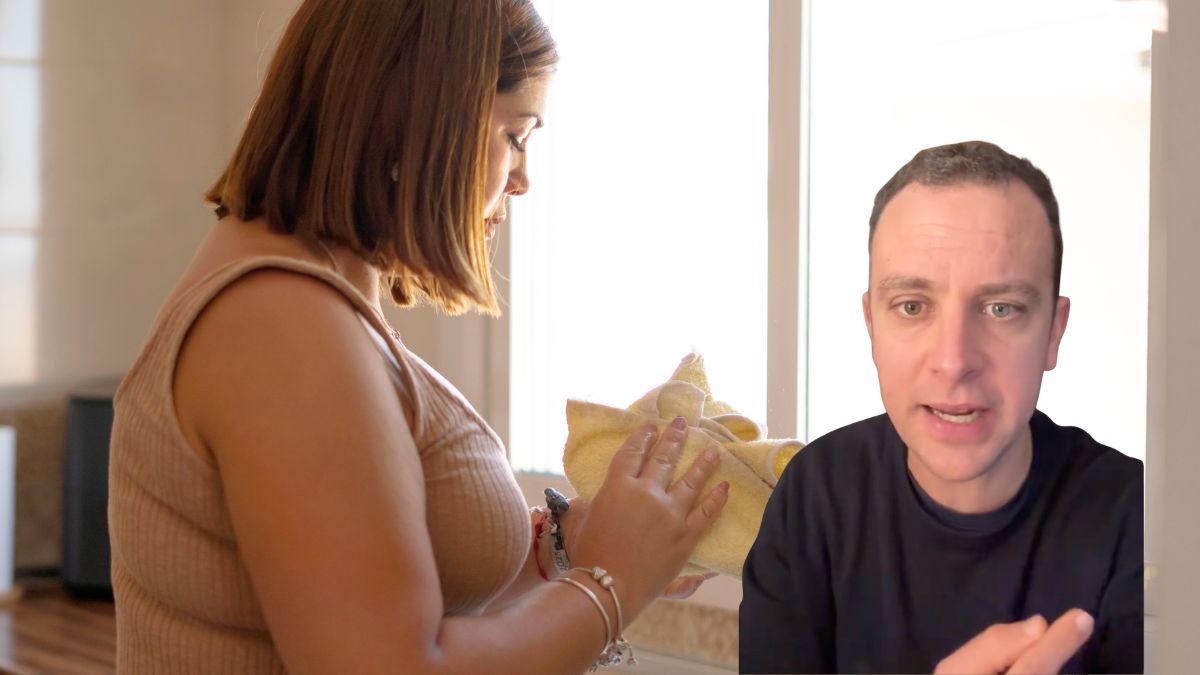
The Invisible Chains: Exploitation of Care Workers in Spain Raises Concerns of Modern Slavery
The demand for care work – a cornerstone of any functioning welfare state – is rapidly increasing across Europe, and Spain is no exception. Yet, behind closed doors, a disturbing reality persists: thousands of women, predominantly immigrants, are providing essential care for the elderly and vulnerable in conditions that human rights advocates are increasingly describing as akin to slavery. While Spain boasts a robust social security system, the labor practices within private homes, where much of this care takes place, remain largely unregulated and open to exploitation. This has sparked a national debate about the demand for stronger protections for care workers and a re-evaluation of how society values – and compensates – those who provide this critical service. The issue extends beyond mere labor rights. it touches upon fundamental questions of dignity, social responsibility, and the ethical obligations owed to both those receiving care and those providing it.
The core of the problem lies in the informal nature of much of this work. Many care workers are employed without contracts, denied social security contributions, and subjected to excessively long hours with little to no overtime pay. This precarity leaves them vulnerable to abuse and exploitation, with limited recourse to legal protection. The situation is exacerbated by a societal tendency to undervalue care work, often seen as ‘women’s work’ and therefore deserving of lower compensation. This undervaluation is reflected in the relatively low wages offered, often barely above the minimum wage, and the lack of recognition for the emotional and physical demands of the job. The Spanish minimum wage as of February 2026 is €1,221 per month according to reports, but many care workers earn significantly less, particularly those working ‘under the table.’
The issue isn’t simply about low wages; it’s about a systemic lack of respect for the rights and dignity of these workers. As one Spanish lawyer specializing in immigration, José Torres, starkly stated, “There is slavery in Spain today.” He emphasizes that this modern form of slavery primarily affects women caring for the elderly, both Spanish nationals and, overwhelmingly, foreign nationals, often in situations where families have effectively abandoned their responsibilities. This abandonment, while harsh, is often masked by excuses of time constraints and work commitments. The lack of oversight allows for conditions to deteriorate, with families often visiting only once a month to check on the property and ensure inheritances remain intact, rather than to genuinely assess the well-being of either the elderly relative or the caregiver.
The Precarious Reality of Live-In Care
The most vulnerable workers are often those in live-in arrangements, where they provide round-the-clock care within a private home. A case highlighted by Torres involved a Colombian woman working seven days a week, with only two hours a day allocated for gym visits and showering, for a monthly salary of €800 paid in cash. This situation represents a blatant violation of basic labor rights, including the right to rest and the right to earn at least the minimum wage. The absence of a formal contract and social security registration leaves the worker with no legal protection and no access to benefits such as healthcare or unemployment insurance. This lack of protection is not an isolated incident; it is a widespread pattern of exploitation that affects thousands of care workers across Spain.
🚨URGENTE: Denuncian condiciones de esclavitud en el trabajo doméstico en España. Jornadas interminables, salarios bajos y falta de derechos. ¿Es hora de tomar medidas? ➡️ https://t.co/…”> pic.twitter.com/…”>
— Noticias Trabajo (@NoticiasTrabajo) …
The problem is compounded by the fact that many care workers are undocumented or have precarious immigration status, making them even more vulnerable to exploitation. Fear of deportation or losing their livelihood prevents them from reporting abuses to the authorities. The nature of the work – performed within the privacy of a home – makes it difficult to monitor and enforce labor standards. This lack of transparency creates a breeding ground for exploitation, where employers can operate with impunity, knowing that their actions are unlikely to be discovered.
The Role of the State and the Need for Regulation
The Spanish state has a responsibility to protect the rights of all workers, including those employed in the informal care sector. The current legal framework, while providing some protections, is inadequate to address the specific challenges faced by care workers. There is a need for stronger enforcement of existing labor laws, as well as the introduction of new regulations specifically tailored to the care sector. This could include mandatory registration of care workers, minimum wage standards, limits on working hours, and guaranteed access to social security benefits. The relationship between the labor market and the welfare state is crucial here, as the state plays a key role in setting conditions for employment and ensuring a basic level of social protection.
The concept of “capital humano” – human capital – is too relevant. Investing in the training and development of care workers is not only ethically sound but also economically beneficial. A skilled and well-compensated care workforce can provide higher-quality care, leading to better outcomes for those receiving care and reducing the burden on the healthcare system. Recognizing the value of care work can help to challenge traditional gender roles and promote greater equality in the labor market. The Servicio Público de Empleo Estatal (SEPE) – the State Public Employment Service – could play a role in providing training and employment opportunities for care workers as outlined by WikiEconomia.
However, regulation alone is not enough. There needs to be a broader societal shift in attitudes towards care work. This requires recognizing the essential contribution that care workers make to society and valuing their labor accordingly. It also requires challenging the stigma associated with both care work and aging, and promoting a culture of respect and dignity for all. The current situation, where care workers are often treated as invisible and disposable, is not only morally reprehensible but also unsustainable in the long term.
Beyond Regulation: Addressing the Root Causes
The exploitation of care workers is symptomatic of a deeper problem: the increasing pressure on families to provide care for their aging relatives. As life expectancy increases and birth rates decline, the proportion of elderly people in society is growing, placing a greater strain on families and social services. Many families simply do not have the time or resources to provide adequate care for their loved ones, leading them to rely on paid care workers. However, this reliance often comes at a cost, as families may be tempted to cut corners and employ workers without proper contracts or social security coverage.
Addressing this issue requires a comprehensive approach that includes strengthening social services, providing financial support to families caring for elderly relatives, and promoting intergenerational solidarity. It also requires investing in preventative healthcare and promoting healthy aging, to reduce the demand for care services in the first place. Creating a more just and equitable society requires recognizing the value of care and ensuring that those who provide it are treated with dignity and respect. The idea that “utilizing people in a state of slavery to care for others should be a crime and carry a prison sentence” – as stated by Torres – reflects a growing demand for a more ethical and humane approach to care.
The situation in Spain highlights a broader global trend of exploitation in the care sector. Migrant workers, particularly women, are often disproportionately affected, as they are more vulnerable to abuse and exploitation due to their precarious immigration status and limited access to legal protection. Addressing this issue requires international cooperation and the development of global standards for the protection of care workers. The Observatorio del Ministerio de Desarrollo Social in Chile has been researching labor conditions and wellbeing, including indicators of labor tension, which could provide valuable insights for other countries facing similar challenges.
The debate surrounding the treatment of care workers in Spain is likely to intensify in the coming months, as advocacy groups continue to raise awareness of the issue and demand stronger protections for these vulnerable workers. The next step will be to see whether the Spanish government will respond with concrete action, including the introduction of new regulations and increased enforcement of existing labor laws. The future of care in Spain – and across Europe – depends on it.
Key Takeaways:
- Thousands of care workers in Spain, primarily women and immigrants, face exploitative working conditions.
- The lack of formal contracts, social security coverage, and adequate wages leaves workers vulnerable to abuse.
- Stronger regulation and enforcement of labor laws are needed to protect the rights of care workers.
- A societal shift in attitudes towards care work is essential to recognize its value and ensure fair compensation.
- Addressing the root causes of the problem requires strengthening social services and promoting intergenerational solidarity.
What are your thoughts on the conditions faced by care workers? Share your comments below and help us raise awareness of this important issue.
Worth a look