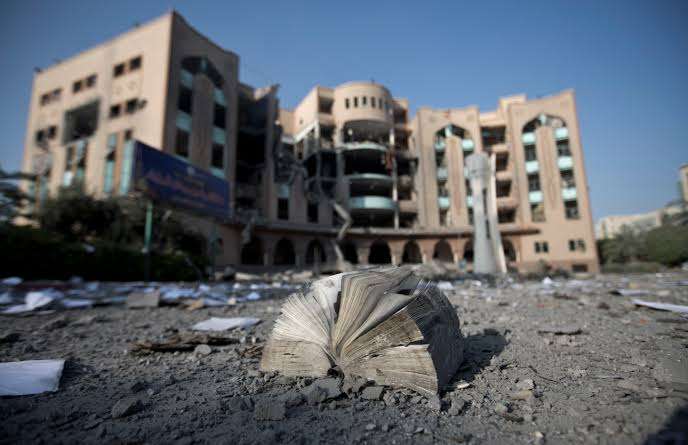
Mohammad AlTurk, a Gaza-based English translator, has provided a first-hand account of the ongoing humanitarian crisis in the Gaza Strip in the latest episode of the PalCast podcast, titled “We Just Ran.” Speaking from the territory, AlTurk detailed the realities of life under sustained military operations, including the impact of repeated displacement and the collapse of essential infrastructure. His testimony serves as a personal documentation of the conditions faced by civilians in Gaza during the current conflict, which has been characterized by significant loss of life and the destruction of educational and medical facilities, as reported by international monitoring groups like the Euro-Med Human Rights Monitor.
The conversation, hosted by presenters identified as Yousef and Tony, focuses on the persistent challenges to civilian life in Gaza. AlTurk describes a landscape where, despite various international discussions regarding ceasefires, the intensity of military activity remains high. His account highlights the severe scarcity of basic resources, including food and cooking fuel, which has compounded the humanitarian catastrophe for the territory’s population. According to the United Nations Relief and Works Agency (UNRWA), the sustained restrictions on the entry of essential goods have led to critical shortages across the Gaza Strip, affecting the survival of displaced families living in temporary shelters.
The Impact of Conflict on Education and Infrastructure
A central focus of AlTurk’s testimony is the degradation of the academic sector in Gaza. He specifically notes the destruction of the Islamic University of Gaza, where he pursued his studies. The loss of such institutions is consistent with broader assessments of the region’s infrastructure; the United Nations Educational, Scientific and Cultural Organization (UNESCO) has documented extensive damage to educational infrastructure across the Gaza Strip since October 2023. AlTurk reports that he managed to complete his degree in 2025, an achievement he describes as occurring amidst the mourning of professors and peers lost during the conflict.
The destruction of hospitals and the impact on civilian communities are recurring themes in AlTurk’s account. He describes the psychological toll of frequent displacement, noting that his own family has been forced to relocate multiple times, eventually seeking refuge in a tent. The World Health Organization has repeatedly called for the protection of health facilities in Gaza, citing the systemic disruption of medical services as a primary driver of the public health crisis.
Challenging Perceptions of the Current Situation
During the podcast, AlTurk challenges the narrative that the crisis in Gaza has subsided. He argues that the term “post-war” or “ceasefire” does not reflect the reality on the ground, where military engagement and civilian casualties continue. This perspective aligns with reports from humanitarian organizations that emphasize the ongoing nature of the emergency. The UN Office for the Coordination of Humanitarian Affairs (OCHA) continues to issue updates confirming that active hostilities persist, complicating aid distribution and the restoration of public services.

The discussion also addresses the long-term outlook for the territory. Despite the severe damage to the built environment and the personal losses he has sustained, AlTurk expresses a commitment to the future of his home. He discusses the possibility of temporary travel for work or study but clarifies that his ultimate objective is to return to Gaza to participate in the recovery and reconstruction of his community.
Moving Forward: The Need for Sustained Attention
The episode concludes with an appeal to listeners to engage with the testimonies of those still in Gaza. By sharing his story, AlTurk aims to keep global attention focused on the humanitarian conditions that persist despite the passage of time. As of mid-2025, international diplomatic efforts to secure a durable cessation of hostilities remain ongoing, with various stakeholders, including the UN Security Council, continuing to deliberate on measures to facilitate humanitarian access and long-term stability.

The full episode of “We Just Ran” is available for streaming on major podcast platforms, including Apple Podcasts and Spotify. For those seeking verified updates on the humanitarian situation, the OCHA occupied Palestinian territory portal provides regular reports on the status of aid, infrastructure, and civilian welfare. We encourage readers to follow these official channels for the most current information and to share personal accounts like AlTurk’s to broaden public understanding of the ongoing situation in Gaza.