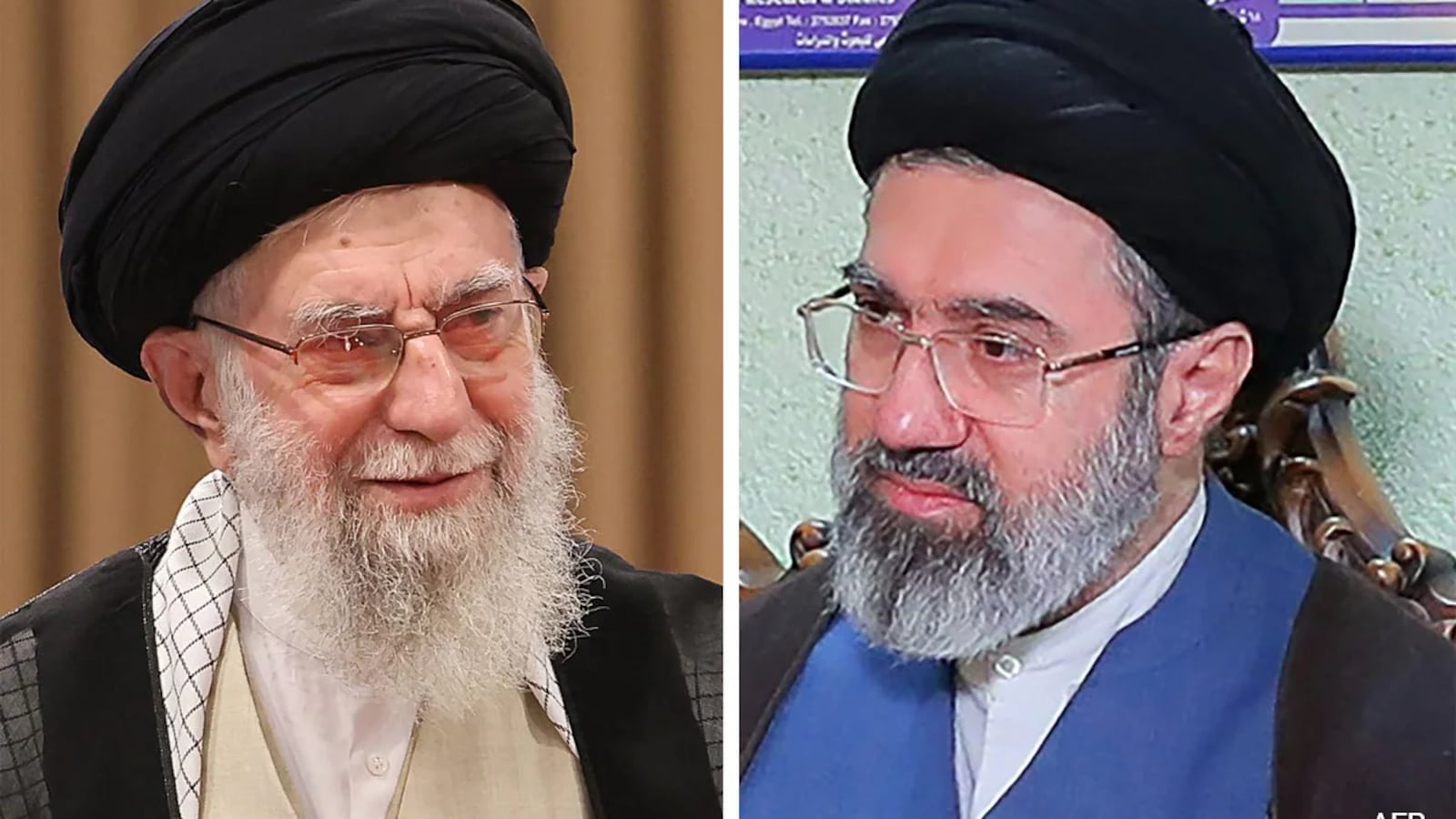
United States intelligence and policy officials are increasingly concerned that Mojtaba Khamenei and Iran’s new hard-line leadership core may pursue the development of nuclear weapons, according to assessments circulating in Washington. While the son of the late Supreme Leader Ali Khamenei has not publicly endorsed a nuclear weapons program, foreign policy analysts and government sources warn that shifting domestic dynamics and regional tensions could alter Tehran’s strategic calculus.
The debate over Iran’s nuclear trajectory comes at a critical juncture for regional security and international diplomacy. Intelligence assessments reviewed by Western officials suggest that hard-line factions within Iran’s political and military establishments are re-evaluating long-standing deterrence doctrines. Although Tehran has consistently maintained that its nuclear activities are exclusively peaceful, foreign intelligence agencies continue to monitor leadership transitions for any deviation from official policy.
Global powers have closely watched Iran’s political hierarchy following leadership shifts in Tehran. Observers note that hard-line elements often advocate for a more assertive posture regarding regional defense and technological advancement. U.S. and European officials emphasize that any move toward weaponization would trigger severe economic sanctions and heightened diplomatic isolation.
Evaluating Iran’s Nuclear Intentions
Determining the precise trajectory of Iran’s nuclear program remains a central challenge for international monitors, including the International Atomic Energy Agency (IAEA). IAEA reports frequently highlight gaps in verification access, complicating efforts to ascertain whether enriched material is intended solely for civilian energy or potential military applications. Western intelligence agencies analyze public statements, closed-door deliberations, and satellite imagery of nuclear facilities to gauge shifts in official intent.
Policy experts point out that while Supreme Leader Ali Khamenei previously issued a religious decree, or fatwa, against the acquisition of nuclear weapons, the interpretation and enforcement of such edicts can evolve under new leadership. The consolidation of power among hard-line figures raises questions about whether past ideological constraints will remain absolute as regional conflicts intensify.
International Response and Diplomatic Stakes
Diplomatic channels between Western capitals and Tehran remain strained, limiting direct dialogue over the future of the Joint Comprehensive Plan of Action (JCPOA) or alternative frameworks. European Union mediators continue to advocate for renewed diplomatic engagement to prevent further escalation, though prospects for a revived nuclear accord appear dim amid ongoing regional hostilities and domestic unrest within Iran.
Regional actors, particularly Israel and Gulf Cooperation Council member states, maintain heightened vigilance over Iran’s nuclear infrastructure. Israeli officials have repeatedly stated that a nuclear-armed Iran poses an existential threat, signaling that military options remain on the table if diplomatic containment fails. Meanwhile, international financial institutions and energy markets react nervously to any rhetoric suggesting a breakdown in nuclear non-proliferation norms.
Next Steps in International Monitoring
The IAEA is scheduled to release its next quarterly safeguards report on Iran’s nuclear activities, providing updated data on uranium enrichment levels and stockpiles. International diplomats will review the findings ahead of the upcoming United Nations General Assembly sessions, where non-proliferation policy and Middle East security will take center stage. Readers can follow official updates and technical briefs directly through the International Atomic Energy Agency portal.
Worth a look