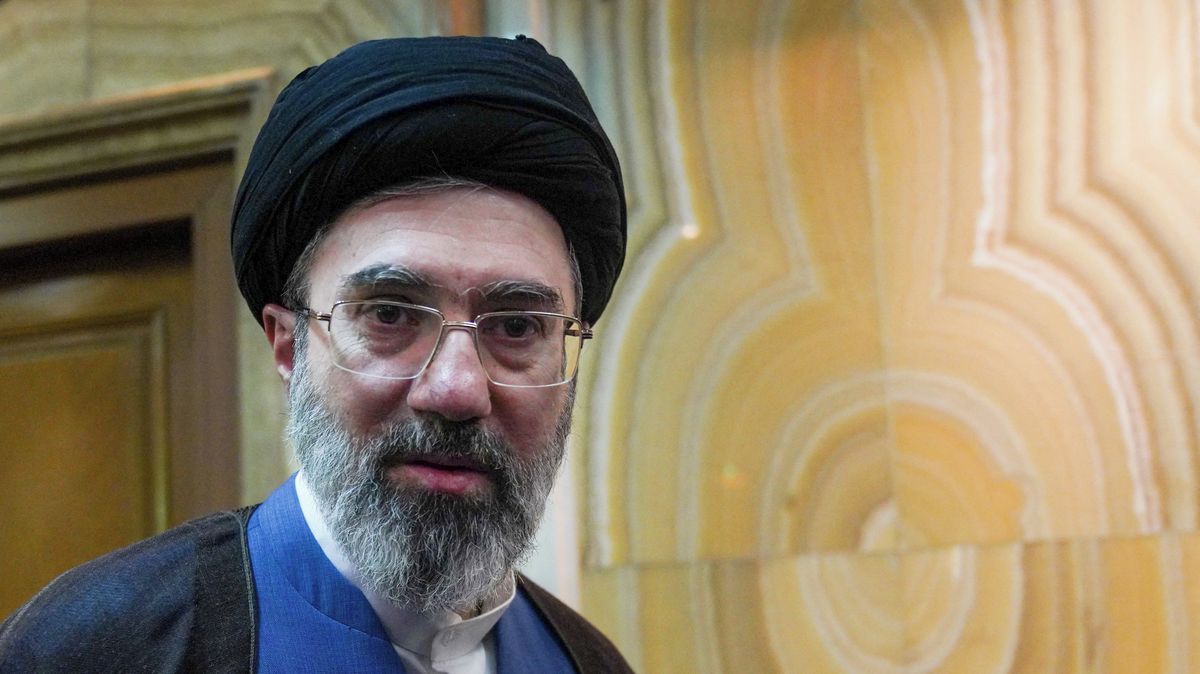
On April 28, 2024, Iranian Supreme Leader Ayatollah Ali Khamenei issued a strong warning to Israel, stating that any attack on Iran would be met with a decisive response. This statement comes amid heightened tensions in the Middle East, particularly following recent Israeli military actions in Gaza and Lebanon. Khamenei’s remarks were made during a meeting with senior Iranian military commanders in Tehran.
The Supreme Leader emphasized Iran’s readiness to defend its sovereignty, asserting that the country’s military capabilities are fully prepared to counter any aggression. He specifically referenced Iran’s missile and drone capabilities, which have been central to its deterrence strategy in recent years.
Khamenei’s statement follows a series of escalatory exchanges between Iran and Israel, including Israeli strikes on Iranian-backed targets in Syria and Iran’s retaliatory missile and drone attacks on Israel in April 2024. The Iranian leadership has consistently framed its actions as defensive, while accusing Israel of seeking to provoke a broader regional conflict.
Analysts note that Khamenei’s rhetoric serves both to deter Israeli aggression and to rally domestic support amid economic challenges facing Iran. The statement underscores the fragile state of regional stability, with international observers warning of the risks of miscalculation leading to wider conflict.
Context of Iran-Israel Tensions
The current tensions between Iran and Israel are rooted in decades of geopolitical rivalry, with Iran supporting groups like Hezbollah and Hamas, which Israel designates as terrorist organizations. Israel, in turn, views Iran’s nuclear program and regional influence as existential threats.
Recent escalations began in earnest following the October 7, 2023, Hamas attack on Israel, which triggered the Gaza war. Iran has provided political and military support to Hamas, though it denies direct involvement in the attack’s planning. Israel has conducted numerous strikes in Syria targeting Iranian military assets and weapons shipments destined for Hezbollah in Lebanon.
In April 2024, Iran launched a significant missile and drone barrage against Israel in retaliation for an Israeli strike on its consulate in Damascus, which killed several Iranian military officials. Israel intercepted most of the projectiles, but the exchange marked a significant escalation in direct confrontation between the two adversaries.
The international community, including the United States and European nations, has urged restraint, warning that further escalation could destabilize the entire Middle East region. Diplomatic efforts to de-escalate tensions have so far yielded limited results, with both sides maintaining hardline positions.
Iran’s Military Capabilities and Deterrence Strategy
Iran’s military posture has evolved significantly over the past decade, with a focus on asymmetric capabilities designed to counter superior conventional forces. The Islamic Revolutionary Guard Corps (IRGC) oversees Iran’s ballistic missile program, which includes systems capable of reaching targets across the Middle East.
Iran has also invested heavily in drone technology, producing a range of unmanned aerial vehicles used for reconnaissance and combat missions. These drones have been deployed in conflicts across the region, including in Yemen, Syria, and Iraq, often operated by Iranian-backed proxy groups.
Khamenei’s reference to Iran’s military readiness likely encompasses these capabilities, which form the backbone of its deterrence strategy. Analysts suggest that while Iran’s conventional military forces are limited compared to regional powers like Israel or Saudi Arabia, its asymmetric capabilities pose a significant challenge to adversaries.
The IRGC Navy also maintains a presence in the Persian Gulf, where it has engaged in periodic confrontations with foreign naval vessels. Iran’s ability to threaten maritime traffic through the Strait of Hormuz remains a key element of its strategic deterrence.
International Reactions and Diplomatic Efforts
Khamenei’s statement drew immediate reactions from international actors. The United States reiterated its commitment to Israel’s security while urging both parties to avoid actions that could lead to broader conflict. European Union officials expressed concern over the escalating rhetoric and called for renewed diplomatic engagement.
Russia, which maintains close ties with Iran, urged restraint and offered to mediate between the parties. China similarly emphasized the importance of dialogue and warned against unilateral actions that could undermine regional stability.
United Nations Secretary-General António Guterres warned that the Middle East is “on the brink” of a wider conflict, urging all parties to step back from the brink. The UN has called for an immediate ceasefire in Gaza as a prerequisite for broader regional de-escalation.
Despite these appeals, diplomatic channels between Iran and Israel remain largely closed, with communication typically occurring through intermediaries or indirect channels. The lack of direct dialogue increases the risk of miscommunication and unintended escalation.
Domestic Implications for Iran
Within Iran, Khamenei’s strong stance serves multiple domestic purposes. Amid ongoing economic difficulties exacerbated by international sanctions, the Supreme Leader’s rhetoric helps to foster national unity and deflect attention from internal challenges.
State media in Iran extensively covered Khamenei’s remarks, framing them as a necessary defense of the Islamic Republic’s sovereignty. Hardline factions within the Iranian political system have welcomed the statement, viewing it as a reaffirmation of the country’s revolutionary principles.
However, some reformist voices within Iran have cautioned against the dangers of escalation, arguing that military confrontation would exacerbate Iran’s economic woes and isolate the country further internationally. These voices remain marginalized in the current political climate dominated by hardline influences.
The Iranian government continues to face internal pressures, including protests over economic conditions and demands for greater political freedoms. Khamenei’s ability to balance external posturing with internal stability remains a critical factor in the country’s governance.
What This Means for Regional Stability
The exchange of threats between Iran and Israel represents a significant risk to regional stability, with the potential to draw in other actors and expand the scope of conflict. Neighboring countries, particularly Lebanon and Syria, could become fronts in any broader confrontation.
Energy markets are particularly sensitive to developments in the Persian Gulf, where any disruption to oil shipping routes could have global economic repercussions. The Strait of Hormuz, through which a significant portion of the world’s oil supply passes, remains a focal point of concern.
International observers stress the importance of maintaining open lines of communication to prevent misunderstandings. Confidence-building measures, such as hotlines between military commands, have been suggested as ways to reduce the risk of accidental escalation.
For now, the situation remains fluid, with both Iran and Israel maintaining their respective positions. The international community continues to monitor developments closely, hoping to prevent the current tensions from spiraling into a wider regional war.
The next key development to watch is the outcome of ongoing indirect negotiations regarding Iran’s nuclear program, which could influence Tehran’s strategic calculations. Any progress—or lack thereof—in these talks may impact the likelihood of further escalation between Iran and Israel.
Stay informed about developments in this critical geopolitical situation by following reliable news sources and sharing this analysis to help others understand the complexities of Iran-Israel relations.