
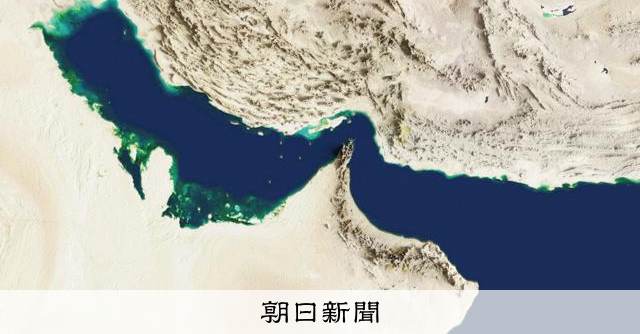
A liquefied natural gas (LNG) carrier operated by Mitsui O.S.K. Lines (MOL) has successfully navigated the Strait of Hormuz, marking the first time a Japanese-related vessel has passed through the critical waterway since a de facto blockade was imposed following military actions against Iran. The transit represents a tentative breakthrough in maritime movement for Japanese interests in a region currently gripped by severe geopolitical instability.
The vessel, identified as the SOHAR, is jointly owned by Mitsui O.S.K. Lines and an Omani state-owned enterprise. According to reports, the ship had been stationed within the Persian Gulf, anchored approximately 100 kilometers from the strait. Sources close to the operation indicate that the vessel has now “escaped dangerous waters” as of April 3, 2026 TBS News Dig.
The passage comes amid a high-tension environment characterized by what has been described as a “de facto blockade” of the strait. Although the specific logistics of the transit remain confidential, the successful movement of the SOHAR provides a critical data point for international shipping companies and governments monitoring the viability of energy corridors in the Middle East.
Maritime Gridlock: The Impact on Japanese Shipping
The transit of the SOHAR highlights the scale of the maritime crisis currently affecting Japanese commercial interests. Before this breakthrough, a significant number of vessels remained stranded or stalled within the Persian Gulf, unable to navigate the strait due to the heightened risks of seizure or attack following the onset of conflict in Iran Bloomberg.
Data reveals that 45 Japanese-related vessels had been held up within the Persian Gulf due to the blockade. The composition of these stranded ships underscores the variety of energy and chemical dependencies involved in the region’s trade:
- Crude Oil Tankers: 12 vessels
- Petroleum and Chemical Tankers: 12 vessels (carrying naphtha and other refined products)
- LNG Tankers: 6 vessels
These figures illustrate the vulnerability of Japan’s energy supply chain, as a substantial portion of its hydrocarbon imports must pass through this narrow chokepoint TBS News Dig.
Corporate Response and Safety Protocols
Mitsui O.S.K. Lines has maintained a cautious public stance regarding the specifics of the SOHAR’s movement. In a statement released on April 3, the company confirmed that the crew and the ship are safe, but declined to disclose the exact timing, the method of passage, or the nationalities of the crew members, citing “safety reasons” Yomiuri Shimbun.
Crucially, the company noted that the SOHAR was not carrying any cargo at the time of its passage. the LNG tanks were empty. This detail may be significant in assessing the risk profile of the transit, as empty vessels may be perceived differently by regional actors than those carrying high-value energy payloads.
Why the Strait of Hormuz Matters
The Strait of Hormuz is one of the world’s most strategically important maritime chokepoints. It connects the Persian Gulf with the Gulf of Oman and the Arabian Sea, serving as the primary artery for the export of oil and gas from several major producers. Any disruption to this corridor has immediate global implications for energy prices and supply security.
For Japan, which relies heavily on imports from the Gulf region, the “de facto blockade” mentioned in recent reports represents a severe economic and security risk. The inability to move tankers—particularly the 12 crude oil and 12 refined product vessels currently stalled—creates a logistical backlog that can impact domestic energy reserves and industrial production.
Key Takeaways of the SOHAR Transit
| Detail | Status/Value |
|---|---|
| Vessel Name | SOHAR |
| Ownership | Mitsui O.S.K. Lines & Omani State Enterprise |
| Cargo Status | Empty (No LNG) |
| Significance | First Japanese-related ship to pass since the blockade |
| Total Japanese Ships Stranded | 45 vessels |
As the situation evolves, the international community remains focused on whether the passage of the SOHAR signals a gradual easing of restrictions or if it was an isolated occurrence based on the vessel’s specific ownership and empty cargo status. The safety of the remaining 44 Japanese-related vessels continues to be a primary concern for maritime authorities and the Japanese government.
The next critical checkpoint will be the monitoring of other stranded LNG and crude oil tankers to see if further transit permissions are granted or if additional vessels attempt to navigate the strait. Official updates from Mitsui O.S.K. Lines or maritime security agencies are expected as the situation develops.
World Today Journal encourages readers to share this report and leave their comments below regarding the impact of Middle Eastern maritime instability on global energy security.