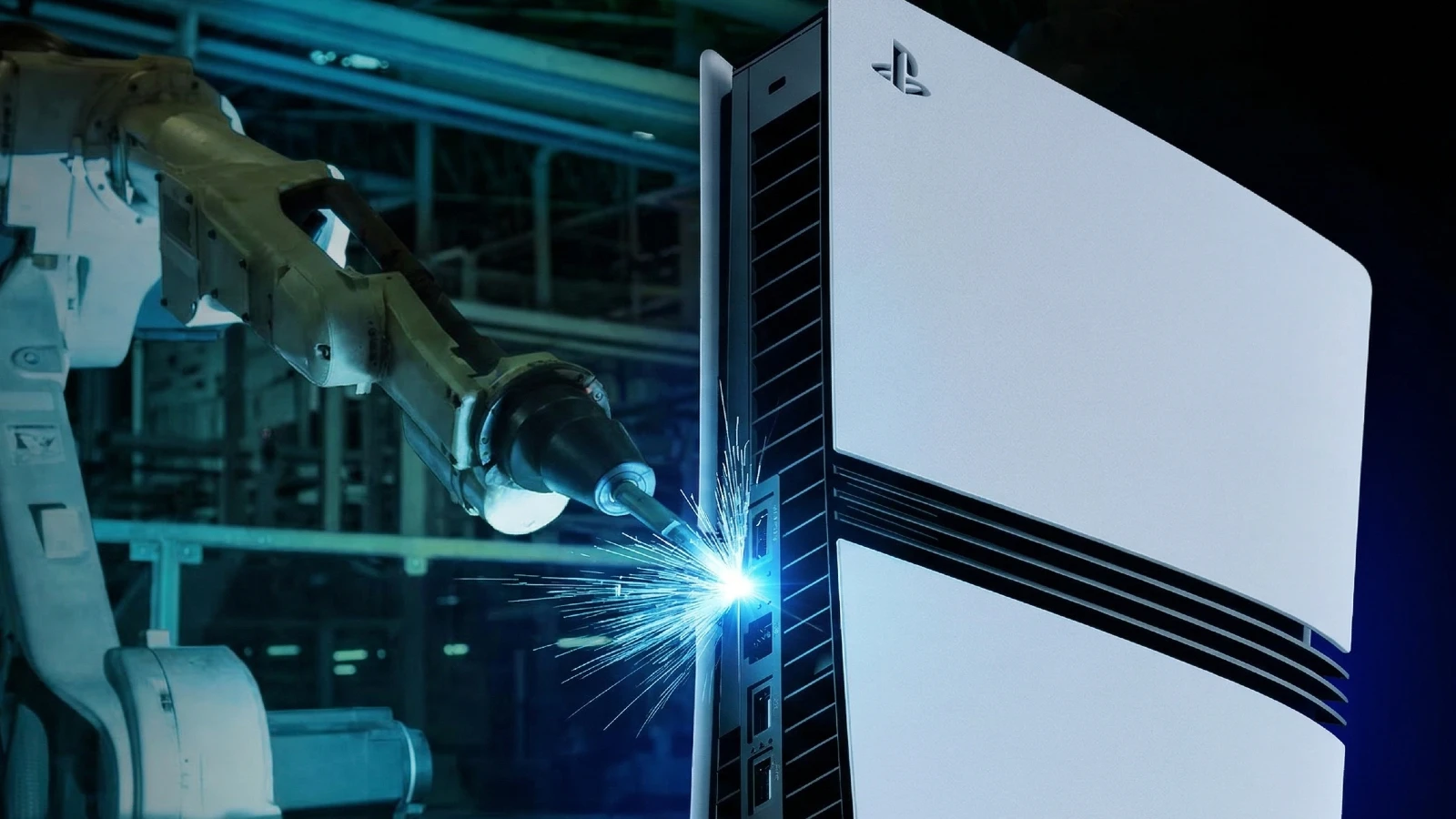
The race for the next generation of gaming hardware is intensifying as details emerge regarding the divergent paths Sony and Microsoft are taking for their upcoming platforms. While the industry has long expected a traditional clash of power, the emerging data suggests a fundamental split in philosophy: one company is refining the classic living room experience, while the other is attempting to erase the line between the console and the PC.
Recent reports regarding PS6 hardware leaks and Microsoft’s codenamed “Project Helix” indicate that while both systems will share a common technical foundation, their target audiences and price points may be worlds apart. This shift comes at a time of significant economic volatility in the hardware sector, with global component shortages threatening to push back release windows and drive retail costs to unprecedented levels.
For gamers, this means the choice in 2027 or 2028 may not just be about exclusive titles, but about the very nature of the hardware they bring into their homes. With costs for essential components like RAM and SSD storage climbing, the industry is facing a crossroads where high-end performance may become cost-prohibitive for the average consumer.
The Technical Core: RDNA 5 and the Power Race
Despite their different goals, both the PlayStation 6 and Xbox Project Helix are expected to be powered by AMD’s RDNA 5 GPU architecture. This shared architecture ensures that both platforms will offer significant leaps in ray tracing performance and overall graphical fidelity compared to the current generation.
While official confirmation is still pending, industry expectations point toward the apply of Zen 6 for the CPU. The goal for both manufacturers is to provide a seamless high-resolution experience, though the actual performance gap between the two may be smaller than in previous generations. Some estimates suggest a performance difference of roughly 20% to 25%, a margin that historically has not provided a decisive competitive advantage in the eyes of the general gaming public according to hardware analysts.
Divergent Philosophies: Traditional Console vs. Hybrid PC
The most striking revelation is the difference in how Sony and Microsoft view the future of the gaming platform. Sony appears to be doubling down on the traditional home console model. The PlayStation 6 is being designed as a refined, powerful device built specifically for the living room TV, maintaining the “plug-and-play” simplicity that has defined the brand.
In contrast, Microsoft’s Project Helix is described as a hybrid console-PC. The intent is to collapse the boundary between desktop gaming and console gaming entirely. By creating a machine powerful enough to serve as a legitimate alternative to a seasoned gaming PC, Microsoft is targeting a broader spectrum of users, from casual couch gamers to hardcore enthusiasts who typically avoid consoles due to hardware limitations as reported by Wccftech.
The Pricing Gap: Affordability vs. High-End Power
The difference in philosophy is most evident in the projected pricing. Sony’s strategy for the PS6 appears to focus on maintaining strong profit margins while keeping the device reasonably affordable. Current estimates place the retail price of the PS6 between $500 and $600, though some projections suggest it could climb to between $700 and $900 if memory costs remain volatile through 2027 per analysis from Noobfeed.
Xbox Project Helix, however, is expected to be significantly more expensive due to its hybrid nature and higher hardware specifications. With a bill of materials estimated around $900, the retail price is likely to land between $1,000 and $1,200. This creates a potential price gap where the Xbox could cost nearly double the entry-level price of the PlayStation 6.
| Feature | PlayStation 6 (PS6) | Xbox Project Helix |
|---|---|---|
| Platform Philosophy | Traditional Home Console | Hybrid Console-PC |
| GPU Architecture | AMD RDNA 5 | AMD RDNA 5 |
| Estimated Price | $500 – $900 | $1,000 – $1,200 |
| Primary Target | Living Room/TV Gamers | Console & PC Enthusiasts |
Timeline Uncertainties and the Memory Crisis
While a 2027 launch has been the prevailing expectation for the next generation, Sony may be facing significant delays. Historically, Sony has followed a seven-year release cadence, which would have pointed to a 2027 window. However, a global memory shortage and rising RAM costs have complicated these plans.
Reports from February 2026 indicate that Sony is considering pushing the PS6 release back to 2028 or even 2029 to mitigate the impact of these supply chain issues. Microsoft’s Project Helix is still widely expected to target a release by the end of 2027, though the volatility of the hardware market remains a risk for both companies.
What This Means for the Future of Gaming
The shift toward a $1,000+ console represents a dangerous precedent for the industry. If the entry price for “next-gen” gaming exceeds the reach of the average consumer, manufacturers may see a decline in hardware adoption, potentially forcing a greater reliance on subscription services and digital ecosystems to recoup costs.
the “hybrid” approach of Project Helix could fundamentally change how games are developed. If a significant portion of the console audience is using hardware that mimics a PC, developers may move away from the highly optimized, locked-specification environments that have traditionally allowed consoles to punch above their weight class in terms of performance.
As we move closer to official reveals, the industry will be watching closely to see if Sony can maintain its affordability targets amidst a memory crisis and if Microsoft’s gamble on a high-priced hybrid machine will pay off with the enthusiast crowd.
The next major milestone for the industry will be the official hardware announcements and pricing confirmations from Sony and Microsoft, expected as the 2027 window approaches. We will continue to monitor supply chain reports and analyst updates for any shifts in the release timeline.
Do you think a $1,000 price tag is justifiable for a hybrid console-PC, or should the industry stick to the traditional $500 model? Share your thoughts in the comments below.
Keep reading