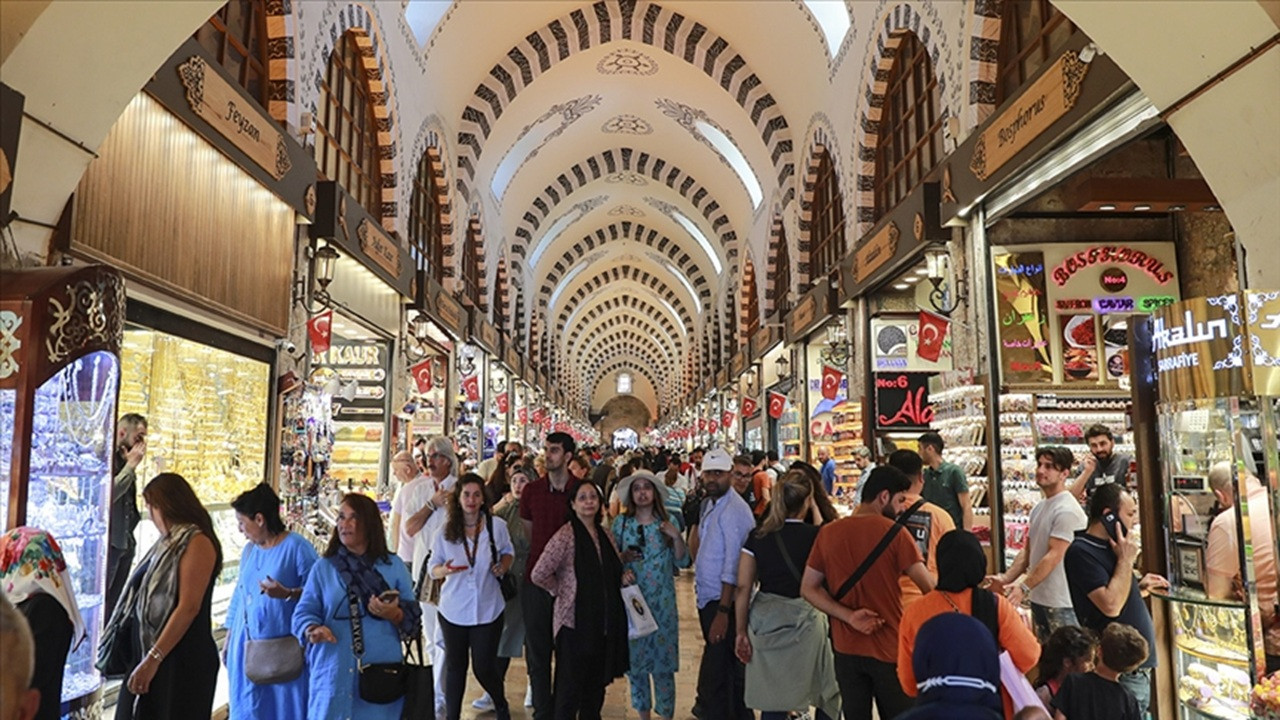
Turkish financial authorities have launched extensive investigations into money laundering networks allegedly operating through the Grand Bazaar in Istanbul, centering on the use of informal money transfer systems to bypass formal banking oversight. Recent reports from regulatory and law enforcement monitoring indicate that hundreds of entities are under scrutiny for facilitating illicit financial flows, with estimates of the transaction volume reaching tens of billions of liras linked to illegal activities, including unauthorized betting and market manipulation.
The Grand Bazaar, a historic center of trade, has faced heightened regulatory attention as investigators map out how criminal organizations utilize traditional “hawala” or informal value transfer methods to integrate illicit capital into the legitimate economy. According to data from the Financial Crimes Investigation Board (MASAK) and ongoing judicial proceedings, these operations often rely on a network of jewelry stores, foreign exchange offices, and shell companies to mask the origin of funds. This investigation is part of a broader crackdown on financial crime in Turkey, aimed at curbing the use of non-bank intermediaries for high-risk transactions.
The Mechanics of Informal Financial Flows
The primary method identified by investigators involves the use of “M80” and similar coding systems—internal shorthand used by illicit brokers to verify transactions across multiple accounts without utilizing the SWIFT or traditional banking infrastructure. These brokers often operate within the physical confines of the Grand Bazaar, leveraging the high volume of cash-based trade to blend illegal proceeds with legitimate business revenue. By segmenting large sums into smaller, non-reportable transactions, these entities effectively obfuscate the audit trail required by the Banking Regulation and Supervision Agency (BDDK).

Investigators have flagged approximately 369 companies for suspicious activity, ranging from unexplained spikes in foreign currency turnover to transactions that lack clear commercial justification. These firms frequently maintain multiple accounts across different financial institutions, moving funds rapidly to avoid detection by automated AML (Anti-Money Laundering) software. According to public statements from the Ministry of Treasury and Finance, the focus remains on identifying the ultimate beneficial owners behind these shell entities, many of which were incorporated solely to facilitate the movement of capital for illegal betting platforms and fraudulent investment schemes.
Regulatory Oversight and Enforcement Challenges
The complexity of the Grand Bazaar’s financial ecosystem poses significant challenges for regulators. Unlike traditional banks, these informal intermediaries often operate without the oversight of the Central Bank of the Republic of Turkey (TCMB), making them difficult to monitor in real-time. To counter this, authorities have increased the frequency of on-site inspections and tightened reporting requirements for businesses dealing in high-value precious metals and foreign exchange. The government’s strategy involves cross-referencing tax filings with actual cash flow data to identify discrepancies that suggest money laundering.
Broader Economic Impact and Market Integrity
The prevalence of these illicit financial networks affects more than just the targeted companies; it undermines the integrity of the Turkish financial sector and complicates international compliance efforts.

For legitimate businesses operating within the Grand Bazaar, the increased scrutiny has created a more rigorous regulatory environment. Compliance costs have risen, and many firms are now subject to mandatory audits that were previously less frequent. While these measures are intended to isolate illicit actors, they have also led to a more cautious approach to cash-based transactions throughout the district. The long-term success of these efforts depends on the ability of the judiciary to process these cases efficiently and the capacity of regulatory bodies to adapt to the evolving techniques used by organized financial crime syndicates.
As the investigation into the 369 flagged companies continues, the Ministry of Treasury and Finance is expected to release further updates regarding potential asset seizures and criminal indictments. These developments will be monitored closely by international observers and stakeholders in the Turkish financial markets. Interested parties can track official notices through the website of the Financial Crimes Investigation Board (MASAK) for updates on regulatory changes and public advisories concerning financial compliance.
Related reading