
For decades, the American dream in Italy was largely confined to the grand stages of Rome, the fashion corridors of Milan, or the Renaissance galleries of Florence. However, a subtle but significant shift is occurring in the demographic landscape of the Mediterranean. A growing number of Americans living in Italy are bypassing the traditional tourist hubs in favor of the country’s “unexpected” corners—the quiet olive groves of Puglia, the rugged coastlines of Sicily, and the hilltop villages of Umbria.
This migration is not merely a seasonal whim but a structural shift driven by evolving work cultures and a desire for a different pace of life. As remote work decouples employment from geography, the allure of the Italian dolce vita has transitioned from a vacation concept to a viable long-term residency strategy. This movement is reshaping slight Italian municipalities, often referred to as borghi, bringing new life—and new economic complexities—to regions that have faced decades of depopulation.
While the exact number of U.S. Citizens residing in Italy fluctuates due to the complexities of tracking residency permits (permessi di soggiorno) versus naturalized citizenship, the trend is undeniably upward. This report maps the current landscape of the American diaspora in Italy, examining where they are settling, why they are moving, and the legal frameworks making this transition possible.
The Demographic Landscape: Mapping the American Presence
Pinpointing the exact number of Americans in Italy is a challenge for even the most diligent researchers. Unlike the United States Census, which provides granular data, Italian demographic tracking often relies on the Istituto Nazionale di Statistica (ISTAT) and records of residency permits. While specific real-time tallies of U.S. Nationals are not always released in a single consolidated public dashboard, the data regarding foreign residents in Italy shows a consistent interest from North Americans.
Historically, the American population in Italy was concentrated in major metropolitan areas. These residents were often diplomats, international business professionals, or those with ancestral ties to specific urban centers. Today, however, the “map” of American residency is spreading. We are seeing a decentralization of the expat community. While Rome remains a significant hub for administrative and diplomatic populations, the growth in “non-traditional” regions is what defines the current era of migration.
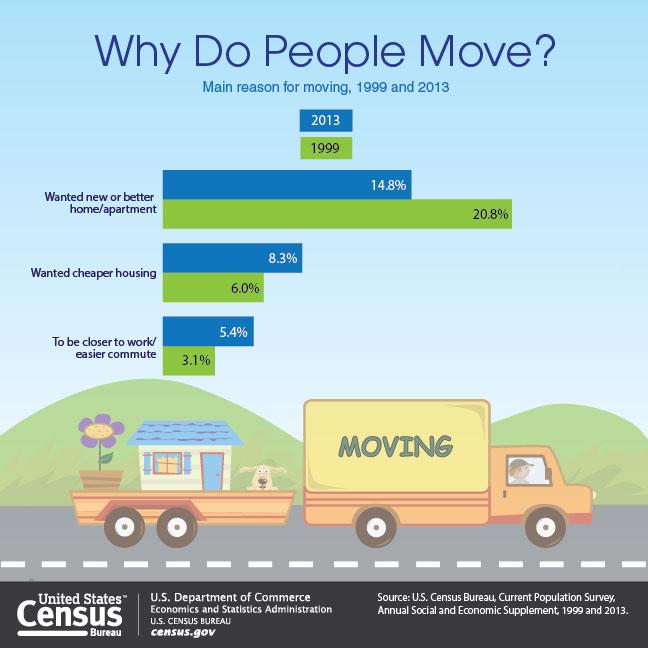
The movement can be categorized into three distinct geographic patterns:
- The Urban Traditionalists: Located in Rome, Milan, and Florence, these residents are often tied to established institutions, corporate offices, or the high-density tourism economy.
- The Coastal Seekers: A significant surge has been noted in regions like Puglia and Sicily, where the cost of living and the slower pace of life appeal to retirees and remote workers alike.
- The Rural Revitalizers: This group is increasingly moving into the interior of Tuscany, Umbria, and even the mountainous regions of Abruzzo, often purchasing historic properties in small villages to establish a permanent home.
Beyond the Big Cities: Where Americans are Settling
The shift toward “unexpected” places is perhaps the most striking feature of this migration trend. The decision to move to smaller towns is often a calculated response to the rising costs of living in major Italian cities and the increasing availability of high-speed internet in previously isolated areas.
The Rise of the South and the Interior
Regions such as Puglia and Sicily are seeing a notable influx of American interest. For many, the Mediterranean lifestyle—defined by fresh, local produce and a community-centric social structure—is the primary draw. In Puglia, the unique architecture of the trulli and the accessibility of the Adriatic coast have made it a magnet for those looking to escape the frantic pace of American metropolitan life.
Similarly, the interior regions of Umbria and Tuscany are no longer just the domain of wealthy seasonal vacationers. There is a growing segment of American residents who are establishing permanent roots in these areas, contributing to the local economy through the restoration of historic buildings and the support of local artisanal businesses. This “slow migration” helps combat the “brain drain” and depopulation that has plagued many Italian rural municipalities for years.
The Remote Work Effect
The democratization of work has played a pivotal role. The ability to maintain a high-paying U.S.-based role while residing in a village with a fraction of the cost of living has turned many “dream destinations” into practical residential choices. This has led to a demand for better digital infrastructure in smaller towns, as local governments recognize the economic potential of the “digital nomad” and the long-term remote worker.
Legal Pathways: How Americans are Making the Move
Moving to Italy is not as simple as booking a flight. the legal requirements are rigorous and vary significantly depending on the traveler’s intent. For Americans, three primary pathways have become the pillars of this migration trend.
1. The Digital Nomad Visa
A major development in Italian immigration policy occurred in early 2024 with the introduction of a dedicated Digital Nomad Visa. Designed to attract highly skilled remote workers, this visa allows individuals who can prove they work remotely for employers or clients outside of Italy to reside in the country legally. This has significantly lowered the barrier to entry for the younger, tech-savvy demographic of Americans who were previously reliant on temporary tourist stays or more restrictive student visas.
2. The Elective Residency Visa
For those not looking to work locally but who possess significant passive income, the Elective Residency Visa remains a popular option. This visa is intended for individuals who wish to live in Italy without working, such as retirees or those living off investments, rental income, or pensions. However, the requirements are stringent: applicants must demonstrate a stable and substantial income that can support them without seeking employment in Italy, ensuring they do not become a burden on the Italian social welfare system.
3. Citizenship by Descent (Jure Sanguinis)
A unique factor in the American-Italian connection is the Jure Sanguinis, or “right of blood.” Many Americans possess Italian ancestry that allows them to claim citizenship directly through their lineage. This pathway is a powerful driver for permanent migration, as it grants the individual (and their descendants) the same rights as any other Italian citizen, including the right to live, work, and vote within the European Union.
Challenges of the Italian Transition
While the allure of the Italian lifestyle is strong, the reality of relocation involves navigating a complex web of cultural and bureaucratic hurdles. Successful integration often requires more than just an appreciation for pasta and wine; it requires a commitment to learning the language and understanding the local social fabric.

Bureaucracy: The Italian administrative system is notoriously complex. From obtaining a codice fiscale (tax code) to securing a permesso di soggiorno (residency permit), the process can be slow and requires significant patience and attention to detail. Many American expats find that the “paperwork phase” of their move is the most significant test of their resolve.
Integration and Language: While many younger Italians and those in major cities speak English, the reality of living in a small village or a rural region is that Italian is the essential key to both daily survival and social acceptance. The “unexpected places” that Americans increasingly choose are often the places where English proficiency is lowest, making language acquisition a non-negotiable component of a successful move.
Healthcare and Taxes: Navigating the intersection of U.S. Tax obligations and Italian residency requirements is a critical concern. Americans are subject to taxation by the IRS regardless of where they live, and understanding how to avoid double taxation through international treaties is vital. While Italy offers excellent healthcare, understanding how the regionalized Servizio Sanitario Nazionale (SSN) works is essential for long-term residents.
Key Takeaways for Prospective Residents
- Diversifying Locations: The trend is moving away from Rome and Milan toward regions like Puglia, Sicily, and the Italian interior.
- New Legal Options: The 2024 Digital Nomad Visa has opened new doors for remote professionals.
- Economic Drivers: Remote work and the lower cost of living in rural areas are primary motivators for migration.
- Citizenship Pathways: Many Americans utilize Jure Sanguinis to facilitate their permanent move.
- Preparation is Essential: Success requires navigating complex bureaucracy and prioritizing Italian language acquisition.
As the relationship between the United States and Italy continues to evolve through this human connection, the “map” of American life in Italy will likely continue to expand. What was once a path for the few is becoming a viable journey for many, driven by a globalized workforce and an enduring fascination with the Italian way of life.
For those monitoring migration trends and international residency policies, the next major checkpoint will be the ongoing implementation and review of the Digital Nomad Visa framework by the Italian Ministry of Foreign Affairs.
What are your thoughts on the shifting trends of international migration? Have you considered or experienced a move to a new country? Let us know in the comments below and share this article with your network.
Worth a look
- Two Killed in Greece Firefighting Helicopter Crash
- Gyeonggi Delivery Special App Offers Discount with Paris Baguette and 18 Brands Until May 31
- Beyond the Teeth: A Dentist’s Reflection on Human Connection (world-today-news.com)
- Beyond Robotic Dog Inspections: The Future of Industrial Automation (newsdirectory3.com)