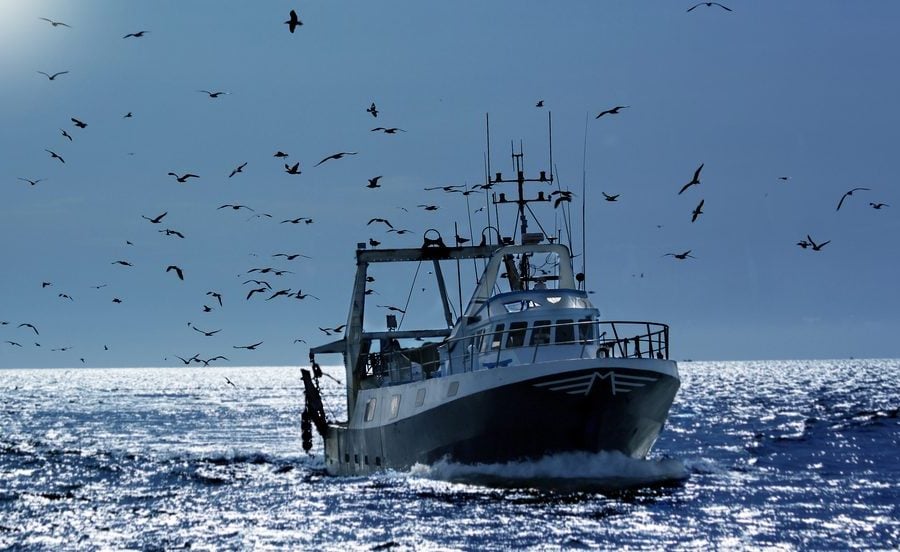
Coastal fishing activity at the port of Laâyoune saw a notable rise in both volume and economic value during the first four months of 2024, according to data released by the National Office of Fisheries (ONP). While regional performance across Morocco remains varied, Laâyoune’s specialized maritime infrastructure continues to serve as a critical hub for the kingdom’s artisanal and coastal fishing sectors.
The latest sector performance report indicates that coastal landings in Laâyoune experienced an 8% increase in volume during April 2024 compared to the same period in the previous year. This growth trend reflects a broader effort to optimize the management of marine resources in the southern provinces, overseen by the Ministry of Agriculture and Maritime Fisheries. The financial valuation of these landings also trended upward, signaling a period of relative stability for local commercial fleets operating within the Atlantic maritime zones.
Regional Disparities in Moroccan Fisheries
The increase in Laâyoune stands in contrast to the performance of other major Moroccan ports, where landing volumes have faced significant volatility. According to the National Office of Fisheries (ONP), which tracks daily and monthly landings across the national network, fluctuations in catch rates are influenced by seasonal migratory patterns, climate-related shifts in water temperature, and regional fleet modernization efforts.
At the port of Safi, for instance, reporting indicates a substantial decline in landings, with some periods showing a drop of up to 22% compared to historical averages. This divergence highlights the localized nature of the fishing industry, where specific coastal conditions—such as the intensity of upwelling currents—directly dictate the success of the pelagic and demersal fishing seasons. Analysts point out that while some regions benefit from increased shoals, others are navigating the biological consequences of shifting marine ecosystems.
Economic Impact and Market Dynamics
For the fishing community in Laâyoune, the rise in landing values is a vital economic indicator. The value of fish products is tied to both the volume of landings and the quality of the post-harvest logistics chain. Investments in cold-chain infrastructure and freezing facilities at the port of Laâyoune have enabled operators to better preserve the freshness of their catch, which in turn secures higher market prices at the initial auction stage.

The Ministry of Agriculture and Maritime Fisheries continues to implement policies designed to ensure the long-term sustainability of these stocks. These measures include strict adherence to biological rest periods and the modernization of vessel equipment to reduce fuel consumption and environmental impact. For stakeholders, the primary goal remains balancing the immediate economic gains seen in April with the need for sustainable harvest levels that prevent the depletion of key species such as sardines and mackerel.
Challenges Facing the Maritime Sector
Beyond the immediate production figures, the Moroccan fishing industry is grappling with the need for a modernized management model. This transition is not limited to domestic concerns; similar debates regarding the future of artisanal and industrial fishing are occurring across various maritime territories, including regions in the Caribbean and West Africa, as operators seek to balance profitability with environmental compliance.
The shift toward digital monitoring of landings and the implementation of real-time reporting via the ONP platforms have provided more transparency for policymakers. These data-driven tools are essential for identifying which ports are underperforming and determining whether the causes are administrative, environmental, or related to aging fleet infrastructure. As the sector moves toward the latter half of the year, authorities will focus on maintaining the growth momentum in Laâyoune while providing support to ports currently experiencing significant production declines.
Looking Ahead: Monitoring and Sustainability
The next major checkpoint for the sector will be the publication of the mid-year performance report by the National Office of Fisheries, which will provide a more comprehensive view of the 2024 fishing season. These reports serve as the primary baseline for industry professionals, investors, and regulatory bodies to adjust quotas and operational strategies.
Readers interested in following these developments can access the latest statistical updates directly through the official portal of the ONP, which publishes monthly bulletins on landings and market values. As the industry continues to evolve, the focus on sustainable management and infrastructure resilience remains the cornerstone of regional economic stability in the southern provinces. We encourage our readers to share their insights on the future of sustainable maritime practices in the comments section below.