
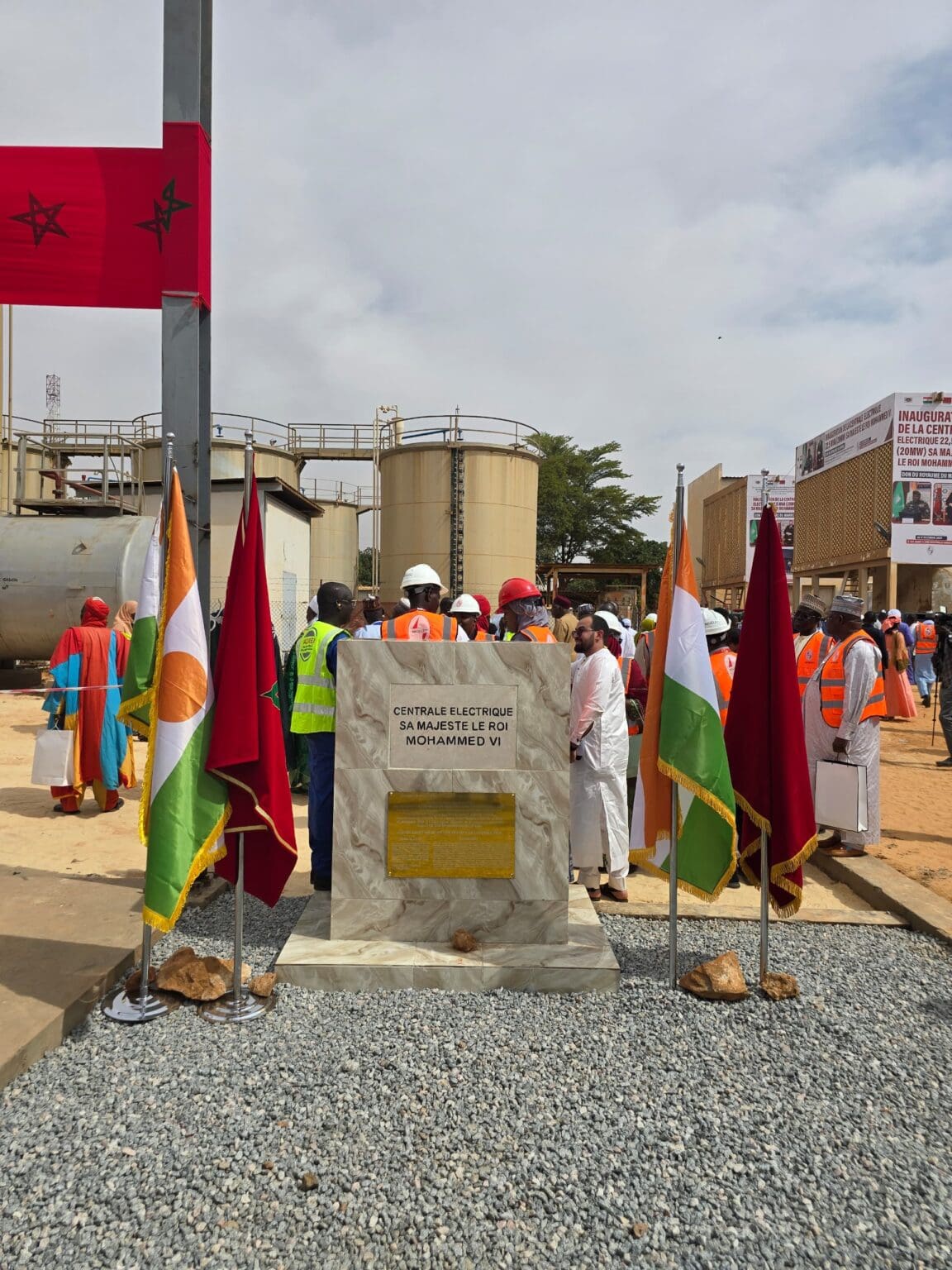
Morocco and Niger are moving to redefine their bilateral relations, shifting from traditional cooperation toward a more comprehensive, multidimensional strategic partnership. This transition was formalized during the 5th Morocco-Niger Joint Cooperation Commission, which convened in Niamey on Wednesday, April 8, 2026 to establish a recent dynamic across several strategic sectors.
The high-level meeting was co-chaired by Nasser Bourita, Morocco’s Minister of Foreign Affairs, African Cooperation, and Moroccans Living Abroad, and his Nigerien counterpart, Bakary Yaou Sangaré, the Minister of Foreign Affairs, Cooperation, and Nigeriens Abroad who presided over the session on the Nigerien side. The talks were conducted under the high instructions of His Majesty King Mohammed VI, signaling a prioritized diplomatic effort to strengthen ties between the two nations.
At the heart of this Morocco-Niger strategic partnership is a commitment to South-South cooperation, which Minister Bourita described as a “constant strategic choice” and a fundamental pillar of Moroccan foreign policy. The discussions in Niamey aimed to move beyond standard diplomatic exchanges, focusing instead on creating a framework for shared development and continental stability.
A Vision for Continental Integration
A central theme of the commission’s work was the promotion of continental integration, specifically through initiatives designed to benefit landlocked nations in the Sahel region. Minister Bourita emphasized two major Royal Initiatives intended to foster a new era of shared prosperity: the Initiative of the Atlantic African States and the Royal Initiative to facilitate Atlantic Ocean access for Sahel States which seeks to open new economic corridors.
By providing Sahelian countries, including Niger, with better access to the Atlantic coast, Morocco aims to reduce geographic isolation and stimulate trade. This strategic move is designed to create the necessary conditions for improved security and economic stability across the continent, linking the interior of Africa more effectively to global markets.
Addressing Regional Security and Terrorism
Beyond economic and diplomatic integration, the 5th Joint Cooperation Commission addressed the urgent security challenges facing the Sahel. The Moroccan delegation reaffirmed its full solidarity with the Republic of Niger in its ongoing struggle against terrorism and violent extremism as part of a shared commitment to regional stability.
During the proceedings, Minister Bourita strongly condemned recent terrorist attacks that targeted sensitive facilities within Niger. The acknowledgment of these threats underscores the security dimension of the partnership, suggesting that the “multidimensional” nature of the ties will include intelligence sharing and mutual support in counter-terrorism efforts to protect sovereign infrastructure.
What This Partnership Means for the Region
The elevation of ties to a strategic partnership suggests a long-term commitment to mutual growth. For Niger, the partnership offers a gateway to Atlantic trade and a supportive ally in the fight against insurgency. For Morocco, strengthening ties with Niamey expands its influence and cooperation within the Sahel, reinforcing its role as a leader in South-South cooperation.
The meeting in Niamey serves as a key step in reaffirming historic ties and transforming them into a modern framework capable of addressing 21st-century challenges. By focusing on “shared development, security, and stability,” both nations are attempting to build a resilient axis of cooperation in a volatile geopolitical environment.
Key Takeaways from the 5th Joint Commission
- Strategic Shift: Transitioning from basic cooperation to a “multidimensional strategic partnership.”
- Atlantic Access: Implementation of Royal Initiatives to provide Sahel States, including Niger, access to the Atlantic Ocean.
- Security Solidarity: Morocco reaffirmed its support for Niger in combating violent extremism and terrorism.
- Diplomatic Leadership: The meeting was led by Ministers Nasser Bourita and Bakary Yaou Sangaré on April 8, 2026, in Niamey.
The ongoing implementation of the agreements reached during this session will mark the next phase of the Morocco-Niger relationship. Official updates regarding the specific sectoral agreements arising from this commission are expected as both ministries move toward execution.
World Today Journal encourages readers to share their thoughts on the impact of South-South cooperation in the comments section below.