
Morocco has secured 81% of the 25,767 circular recruitment slots recorded in Spain, reinforcing a strategic Morocco-Spain circular migration partnership. This bilateral arrangement aims to address Spanish labor shortages in seasonal sectors while providing regulated, temporary employment pathways for Moroccan nationals through managed migration frameworks.
The recent data highlights Morocco’s dominant role in Spain’s seasonal labor market. Of the 25,767 total circular recruitment instances registered, Moroccan citizens accounted for the vast majority, according to reports compiled by allAfrica. This concentration of recruitment underscores the deep integration of labor flows between the two Mediterranean neighbors.
Circular migration differs from permanent immigration. It involves a structured process where workers are recruited for specific, time-bound roles—frequently in agriculture—and are expected to return to their home country once the contract concludes. This model is designed to mitigate the irregular migration pressures that have historically strained the borders of both nations.
How Morocco Dominates Spain’s Circular Recruitment
The scale of Moroccan participation in Spain’s labor programs is significant. By capturing 81% of the circular recruitment volume, Morocco has positioned itself as the primary partner in Spain’s effort to stabilize its seasonal workforce. This recruitment is largely facilitated through the Spanish government’s collective management of origin-based hiring, often referred to under the GECCO framework.

Industry experts note that these recruitment numbers serve two primary functions. For Spain, it provides a reliable stream of labor for sectors such as fruit picking and greenhouse farming, which face chronic shortages during peak seasons. For Morocco, it offers a mechanism for legal, documented employment that allows for the repatriation of remittances, which are vital to the Moroccan national economy.
The stability of these numbers suggests that the bilateral agreements between Madrid and Rabat are functioning as intended by both administrations. However, the high concentration of Moroccan workers in these programs also means that any shifts in Spanish labor policy or Moroccan emigration trends could have an immediate, disproportionate impact on the total recruitment figures.
The Economic Drivers of the Migration Partnership
The Morocco-Spain circular migration partnership is built on mutual economic necessity. Spain’s agricultural sector remains highly dependent on seasonal labor to maintain production levels and export capacities. Without a steady supply of workers, the cost of domestic production would likely rise, impacting food prices across the European Union.
On the other side of the Mediterranean, the Moroccan government views managed migration as a tool for economic stabilization. By facilitating legal circularity, the state can better monitor the movement of its citizens and ensure they are working under conditions that meet international labor standards. This helps prevent the exploitation often found in irregular migration routes.
Furthermore, the partnership acts as a diplomatic stabilizer. Cooperation on migration is a cornerstone of the broader relationship between the Spanish government and the Moroccan monarchy. Successful management of labor flows often translates into increased cooperation on other critical issues, including maritime security, counter-terrorism, and trade agreements.
Challenges and Criticisms of the Managed Model
Despite the official emphasis on the benefits of circularity, the model faces significant social and ethical criticism. Some observers argue that the system creates a hierarchy of labor that may not benefit the most vulnerable populations in the long term.
Rachid Achachi has characterized the current migration structure as “a competition of the poor against the poor,” according to reporting by Maroc Hebdo. This critique suggests that by prioritizing regulated, seasonal workers, the system may inadvertently marginalize those who lack the resources or documentation to participate in official channels, potentially pushing them toward more dangerous, irregular routes.
There are also concerns regarding the “circular” nature of the work. Critics argue that while the model provides immediate employment, it does not offer a path to long-term integration or permanent stability for workers. This can lead to a cycle of temporary employment that fails to address the underlying economic drivers of migration, essentially treating human labor as a seasonal commodity rather than a long-term social reality.
Comparison of Migration Perspectives
| Perspective | Primary Focus | View on Circular Migration |
|---|---|---|
| Governmental/Official | Economic stability and border security | A necessary tool for managing labor and reducing irregular flows. |
| Social Critics/Activists | Human rights and social equity | A system that may pit vulnerable populations against one another. |
| Economic/Sectoral | Labor supply and production costs | An essential mechanism to prevent agricultural labor shortages. |
Global Context: Migration Models at the United Nations
The debate over how to manage migration is not limited to the Mediterranean. At the United Nations, discussions have recently focused on how various regions can defend and implement their specific models of migrant reception. As reported by Medias24, provinces in the Global South are actively presenting their hosting models as alternatives to the more restrictive policies often seen in Northern Europe.
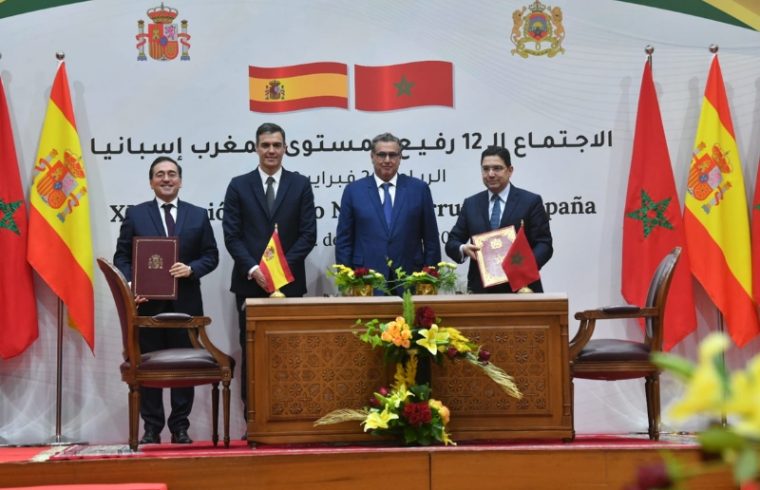
These discussions emphasize that migration management must be collaborative and respect the sovereignty of both sending and receiving nations. The Morocco-Spain model is frequently cited in these international forums as a practical application of a managed, bilateral approach, even as the ethical implications of such systems remain under scrutiny by human rights organizations.
The tension between the need for economic labor and the requirement for dignified, permanent migration pathways remains the central challenge for policymakers. As the UN continues to review global migration compacts, the results of the Morocco-Spain partnership will likely serve as a key case study for other nations seeking to formalize their labor migration corridors.
Key Takeaways
- Dominant Share: Morocco holds 81% of the 25,767 circular recruitment slots in Spain.
- Economic Function: The model addresses Spanish agricultural labor shortages while providing regulated income for Moroccan workers.
- Social Critique: Critics like Rachid Achachi argue the system creates competition among vulnerable populations.
- Strategic Value: Migration management serves as a critical diplomatic link between Madrid and Rabat.
The next official review of bilateral migration quotas and the effectiveness of the current recruitment cycle is expected to occur during upcoming diplomatic sessions between the Spanish Ministry of Inclusion and Moroccan authorities.
Do you have thoughts on the impact of circular migration on regional economies? Share your perspective in the comments below and share this article with your network.
Worth a look