
Moroccan authorities have apprehended an individual in M’diq suspected of ties to the Islamic State (IS), also known as Daesh. The arrest, carried out by the Central Bureau of Judicial Investigations (BCIJ), is part of the country’s ongoing counter-terrorism operations aimed at dismantling cells and preventing the planning of violent acts. The suspect, reported to be in his early 30s, is currently in custody as judicial investigations continue to determine the scope of the alleged plot.
The operation in M’diq, a coastal city in northern Morocco, highlights the persistent focus of the BCIJ on monitoring potential radicalization. According to official reports from the BCIJ, the suspect was allegedly engaged in the preparations for a project intended to undermine public order. This action follows a series of similar interventions by the bureau across the kingdom, which operates under the oversight of the General Directorate for Territorial Surveillance (DGST) to maintain national security. For further information on the BCIJ’s mandate and legal framework, citizens can refer to the official portal of the Central Bureau of Judicial Investigations.
Operational Details and Judicial Context
The individual arrested is identified as a 31-year-old man, according to initial reports surrounding the incident in M’diq. The BCIJ, which functions as the judicial arm of Morocco’s domestic intelligence services, maintains a mandate to investigate threats related to terrorism and organized crime under the Moroccan Penal Code. The suspect is alleged to have been in the process of formulating a plan that authorities have characterized as a potential terror project. The legal proceedings are being conducted under the supervision of the competent public prosecutor’s office, ensuring that the suspect’s rights are upheld while the investigation into his connections to Daesh proceeds.
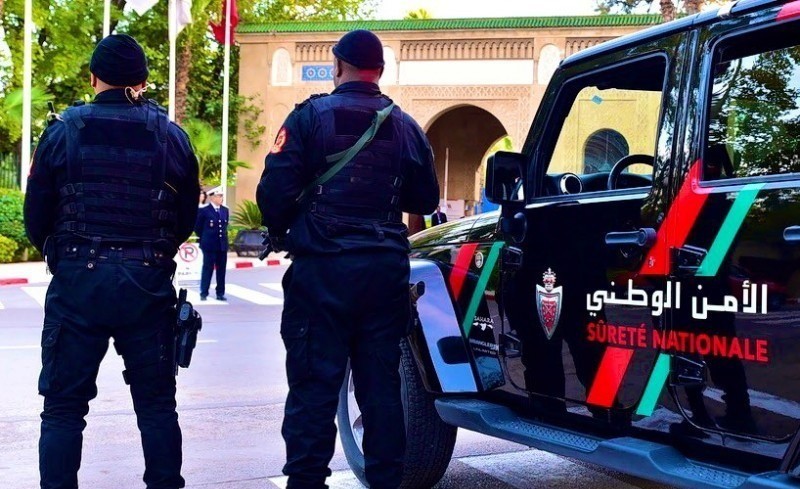
The northern region of Morocco has historically been a focal point for security operations due to its proximity to international borders and its dense urban centers. While the specific details regarding the suspect’s background or the exact nature of the materials seized remain under seal during the ongoing probe, the arrest is consistent with the BCIJ’s established pattern of proactive, intelligence-led interventions. Official updates regarding such cases are typically managed through the Public Prosecutor’s office or the BCIJ’s periodic communications.
Security Strategy in Morocco
Morocco’s counter-terrorism strategy has long been recognized for its reliance on a combination of intelligence gathering, social policy, and religious oversight. The BCIJ remains the primary agency responsible for the operational side of these efforts. By neutralizing individuals suspected of supporting groups like Daesh before they can move from planning to execution, the agency aims to prevent large-scale security incidents. This proactive stance is supported by the Kingdom of Morocco’s official government portal, which outlines the country’s broader security and counter-radicalization policies.
The effectiveness of these operations often depends on the rapid processing of digital intelligence and local surveillance. In this instance, the quick apprehension in M’diq serves as a reminder of the BCIJ’s surveillance reach. Authorities continue to emphasize that the cooperation of local communities remains a vital component of the national security apparatus. As the investigation into the M’diq suspect develops, the case will likely move toward a referral to the specialized anti-terrorism court in Salé, where similar cases are adjudicated.
What Happens Next
Following the initial arrest, the suspect will undergo a period of police custody, the duration of which is strictly regulated under Moroccan law. During this time, investigators will attempt to map the suspect’s communications, potential co-conspirators, and the specific intent behind the alleged project. Once the preliminary investigation is complete, the suspect will be presented before the public prosecutor, who will decide on the formal charges to be brought before a judge.
There is no current timeline for a trial, as the judicial investigation is in its early stages. For those following the developments of this case, official notices are periodically released by the BCIJ or the judicial authorities in Rabat. Members of the public are encouraged to rely on verified information from these official channels as the legal process moves forward. We will continue to monitor the situation for any further updates provided by the relevant Moroccan legal authorities.
Have you found this report helpful? Please share this article with your network or leave a comment below to join the discussion on regional security matters.
Related reading