
Morocco is bracing for a significant disruption in its energy distribution network as butane gas distributors have announced a coordinated work stoppage. The strike, scheduled for April 21 and 22, 2026, comes as professionals in the sector warn that they are now operating at a loss due to a volatile combination of rising operational costs and stagnant profit margins.
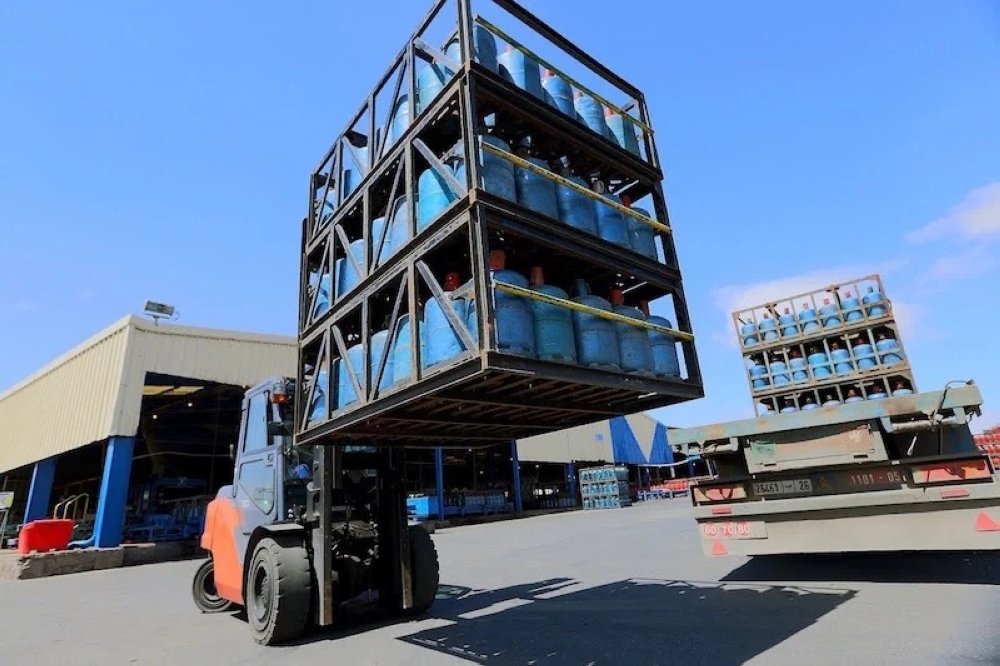
The planned suspension of activity targets the distribution of butane gas bottles, a critical primary necessity for millions of Moroccan households. According to Mohamed Benjelloun, president of the Association of Butane Gas Distributors, the decision to halt deliveries follows years of financial decline and a perceived lack of government response to the sector’s deteriorating economic conditions announced via industry representatives.
This sector-wide crisis is unfolding against a backdrop of global energy instability. Geopolitical tensions in the Middle East have led to a scarcity of gas on international markets and a corresponding rise in import costs, placing immense pressure on Morocco’s domestic supply chain and the individuals responsible for the “last mile” of delivery highlighting the fragility of the energy market.
The Economic Squeeze: Rising Costs and Frozen Margins
The core of the dispute lies in a widening gap between the cost of doing business and the revenue distributors are permitted to earn. While the cost of living and operational expenses have surged, the remuneration framework for gas distributors has remained unchanged since 2016 confirming the last revision date.
Distributors are citing several specific financial pressures that have made their current business model unsustainable:
- Fuel Price Spikes: A sharp increase in the price of diesel (gasoil) has significantly inflated the cost of transporting heavy gas cylinders citing the impact of gasoil hikes.
- Operational Overheads: Increased expenditures for vehicle maintenance, specifically tires, as well as rising wages for staff.
- International Market Volatility: The conflict in the Middle East has reduced the availability of imports and driven up global gas prices linking international scarcity to local pressure.
Mohamed Benjelloun has emphasized that the professional community is currently operating in a financial state that is “untenable,” with many distributors reporting that they are effectively working at a loss to retain the supply chain moving.
Government Subsidies vs. Distributor Viability
The Moroccan government finds itself in a difficult balancing act. To protect the purchasing power of citizens amid global inflation, a ministerial committee meeting in Rabat recently decided to maintain subsidies for both butane gas and electricity detailing the Rabat committee’s decision.
While these subsidies prevent the end consumer from facing the full brunt of international price hikes, they also freeze the price at which gas is sold. Because the government has not adjusted the margins provided to the distributors since 2016, the distributors are absorbing the entirety of the increased operational costs. This has led to a situation where the policy designed to protect the consumer is inadvertently strangling the distributors.
Market Impact: What Consumers Need to Understand
The announced strike on April 21 and 22 is specifically targeted at the distribution fleets. In other words that the home delivery services—the trucks that bring gas bottles directly to residences and shops—will cease their tours on those dates specifying the cessation of delivery tours.

But, there is a distinction between delivery services and storage points. The distributors have clarified that gas depots will remain open. This allows customers to travel directly to the depots to purchase bottles, provided that stocks are available. This measure is intended to prevent a total blackout of gas availability, though it shifts the burden of transport from the professional to the consumer.
Industry leaders have warned that if the government does not provide a viable response to their demands, the temporary 48-hour suspension could be extended up to four days outlining the potential extension.
Key Takeaways of the Energy Dispute
| Factor | Detail |
|---|---|
| Strike Dates | April 21 and 22, 2026 (potential extension to 4 days) |
| Primary Grievance | Margins frozen since 2016 despite rising diesel and labor costs |
| Service Affected | Home and commercial delivery fleets (Tours) |
| Service Maintained | Direct pickup at gas depots (subject to stock) |
| External Driver | Middle East conflict impacting global gas prices and imports |
As Morocco continues to navigate this “sectoral crisis,” the outcome will likely depend on whether the government is willing to revise the remuneration framework for distributors without compromising the subsidies that protect millions of low-income households from energy poverty.
The next critical checkpoint will be the start of the work stoppage on April 21, 2026. Whether the government initiates a new round of dialogue with the Association of Butane Gas Distributors before that date remains to be seen.
World Today Journal encourages readers to share this report and leave their comments below regarding the impact of global energy volatility on local markets.