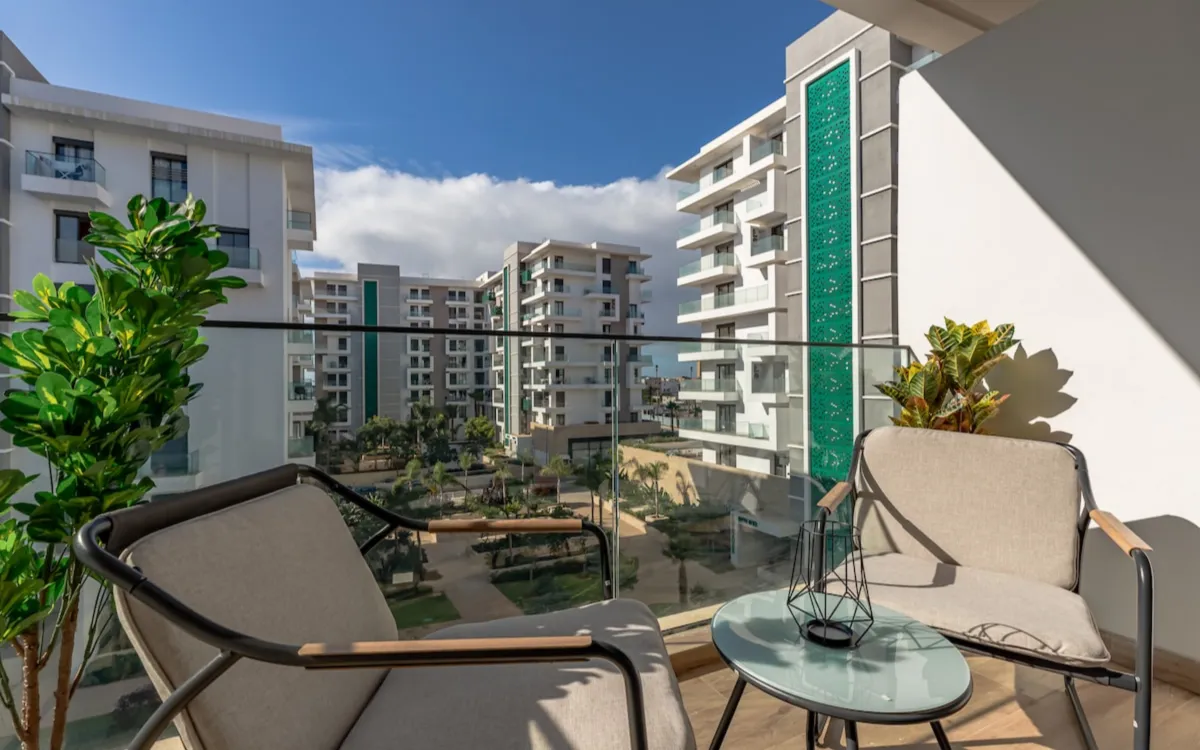
Moroccans Residing Abroad (MREs) can access real estate financing covering up to 80% of a property’s value through various Moroccan banking institutions. These credit facilities aim to reduce the initial capital requirement for the diaspora investing in residential projects within Morocco, according to current banking sector offerings.
The availability of these high loan-to-value (LTV) ratios reflects a broader strategy by Moroccan financial institutions to attract foreign currency inflows and encourage the diaspora to maintain tangible ties to the country. While standard loans often require higher down payments, specific MRE packages allow borrowers to finance the majority of the purchase price, provided they meet strict income and solvency criteria.
Bank Al-Maghrib, the central bank of Morocco, oversees the stability of the credit market, though specific loan percentages are determined by individual commercial banks based on risk assessment. According to data from the Bank Al-Maghrib official portal, the Moroccan banking system maintains a rigorous framework for credit risk, which influences the interest rates and repayment terms offered to non-resident citizens.
How 80% Financing Works for MREs
The 80% financing threshold means the borrower is required to provide a 20% down payment of the total property value. This is a significant shift from more conservative lending models that previously demanded 30% to 40% upfront. These loans are typically structured as long-term mortgages, with repayment periods extending up to 20 or 25 years, depending on the age of the borrower and the bank’s internal policies.
Eligibility for these loans depends heavily on the borrower’s ability to prove a steady income in their country of residence. Banks typically require the last three to six months of pay slips, bank statements, and a certificate of employment. Because the loans are granted to non-residents, Moroccan banks often apply a “debt-to-income” ratio, ensuring that the monthly mortgage payment does not exceed 30% to 40% of the borrower’s net monthly income.
The properties eligible for this financing generally include primary residences, secondary vacation homes, or investment properties. However, banks may apply different interest rates based on the purpose of the acquisition. According to market trends observed in the Moroccan banking sector, loans for primary residences often secure more favorable rates than those intended for purely speculative investment.
Key Requirements for Loan Approval
To secure a loan of up to 80%, MREs must navigate a specific documentation process. The required dossier typically includes:

- A valid Moroccan National Identity Card (CNIE) or a valid passport.
- Proof of residence in the foreign country.
- Detailed proof of income, including tax returns and salary certificates.
- Bank statements from the last few months to verify the source of the down payment.
- A formal appraisal of the property by a bank-approved expert to confirm the market value.
The appraisal process is a critical step. Since the bank is financing 80% of the value, the expert’s valuation determines the actual amount of credit extended. If the expert values the property lower than the purchase price, the borrower must cover the difference in cash, as the 80% limit applies to the appraised value, not necessarily the agreed sale price.
Economic Impact of Diaspora Investment
Encouraging MREs to invest in real estate is a priority for the Moroccan government. The diaspora represents a vital source of foreign direct investment (FDI) and remittances. By lowering the barrier to entry through 80% financing, the state and the banking sector aim to stimulate the construction industry and increase the occupancy of residential units in major cities like Casablanca, Marrakech, and Tangier.
This financial incentive coincides with Morocco’s broader economic goals to modernize its urban infrastructure. According to the Morocco Now investment platform, the country is actively positioning itself as a hub for both industrial and residential investment, utilizing the loyalty and financial capacity of its overseas citizens to drive domestic growth.
Furthermore, the use of “Convertible Dirham” accounts allows MREs to manage their funds more efficiently. These accounts enable the diaspora to hold funds in dirhams while maintaining the right to convert them back into foreign currency, providing a layer of financial flexibility when managing mortgage payments from abroad.
Comparing Financing Options for MREs
While 80% financing is the upper limit for many, the actual terms vary between the major commercial banks. For instance, some institutions may offer 100% financing for very specific social housing projects or through government-backed guarantees, while others stick to a strict 70% limit for high-risk profiles.
The choice between a fixed-rate and a variable-rate mortgage is another critical decision. Fixed rates provide stability, protecting the borrower from fluctuations in the Moroccan economy. Variable rates may start lower but carry the risk of increasing over the life of the loan. Most MREs opt for fixed rates to ensure predictable monthly outflows from their foreign currency earnings.
What MREs Should Consider Before Applying
Borrowers should be aware of the additional costs associated with property acquisition in Morocco, which are not covered by the 80% loan. These include:

- Notary Fees: These typically range from 1% to 2% of the property value.
- Registration and Conservation Taxes: These can add another 4% to 6% to the total cost.
- Loan Insurance: Mandatory life and disability insurance is required by all Moroccan banks to secure the mortgage.
Because the loan only covers the purchase price of the asset, the borrower must have additional liquidity to cover these closing costs, which can total roughly 7% to 10% of the property’s value.
Potential buyers are encouraged to consult with a certified notary in Morocco to ensure the property title is clear and that the transaction complies with local laws. This is especially important for MREs who may not be physically present during all stages of the negotiation and contracting process.
The next official update regarding banking regulations and credit ceilings is expected during the annual review of monetary policy by Bank Al-Maghrib. Interested investors should monitor official bank communications for any changes to LTV ratios or interest rate adjustments.
Do you have questions about financing a home in Morocco? Share your experience or ask a question in the comments below.