
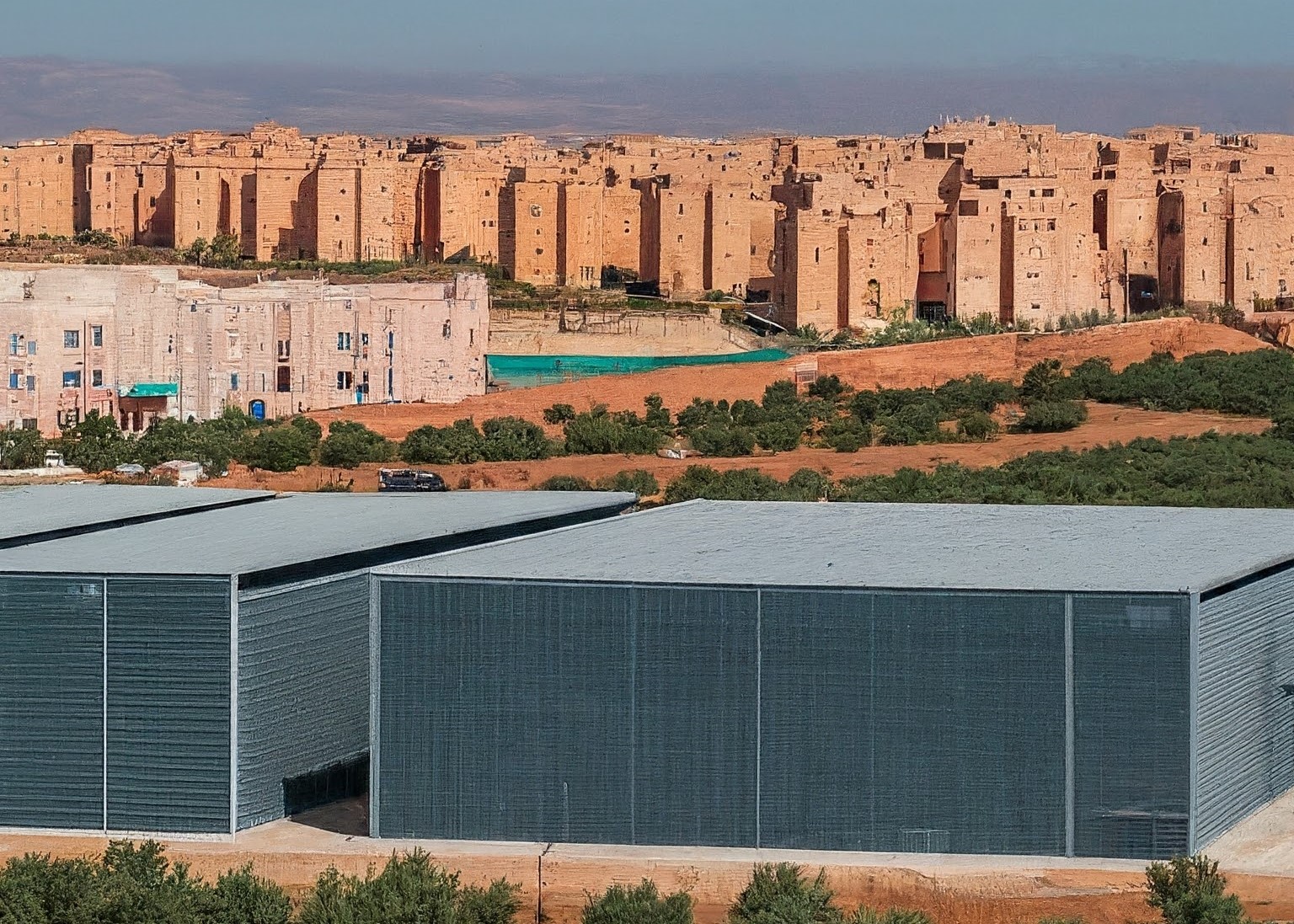
In a strategic move that signals a significant shift in the North African tech landscape, Oracle has established a high-tech footprint in Morocco, centering its efforts on the acceleration of artificial intelligence (AI) and cloud computing. The software giant’s investment is not merely a corporate expansion but a calculated bet on Morocco’s emerging role as a digital gateway between Africa, Europe, and the Middle East.
The cornerstone of this initiative is the inauguration of a state-of-the-art Research and Development (R&D) center in Casablanca, officially opened on June 17, 2025 via Oracle. This facility is designed to serve as an innovation engine, developing cutting-edge solutions in AI, cybersecurity, and cloud architecture that will be deployed to Oracle’s global customer base, effectively integrating Moroccan engineering into the company’s worldwide product pipeline.
For global markets, the move underscores a broader trend of “data sovereignty,” where nations seek to store and process sensitive information within their own borders. By pairing this R&D hub with plans to roll out two distinct cloud regions in Casablanca and Settat via Billionaires Africa, Oracle is providing the infrastructure necessary for African institutions to migrate to the cloud without compromising the legal and security requirements of national data residency.
A Hub for Global Innovation: Inside the Casablanca R&D Center
The physical presence of Oracle in Casablanca is a testament to the scale of the company’s ambition. The new R&D facility is housed in a seven-storey building via North Africa Post, designed to be more than a traditional office. The site includes collaborative meeting spaces, an auditorium, gyms, and a restaurant, creating an environment tailored to attract and retain high-tier technical talent.

Currently, the center employs 300 young Moroccan engineers, developers, and technicians via North Africa Post. Although, the growth trajectory is steep; Oracle intends to scale this workforce to 1,000 highly skilled IT professionals by 2027 via Oracle. This expansion focuses on specialized domains including graph processing, substantial data, and AI-powered solutions, ensuring that the local workforce is operating at the absolute frontier of computer science.
The inauguration of the site was attended by high-ranking Moroccan officials, including Prime Minister Aziz Akhannouch and the Minister of Digital Transition and Administrative Reform, Amal El Fallah Seghrouchni. Speaking on the significance of the investment, Minister Seghrouchni noted that the center serves as “concrete and striking proof” of Morocco’s central role in digital innovation, asserting that the country’s youth and ecosystem allow it to compete with global technological powers via Oracle.
Data Sovereignty and the Cloud Expansion
Beyond the R&D center, the strategic pivot toward Morocco includes the development of cloud regions. The planned regions in Casablanca and Settat via Billionaires Africa are critical for the concept of digital sovereignty. In the modern economic era, the ability of a government or a corporation to ensure that its data remains within its own jurisdiction is a matter of national security and regulatory compliance.
By establishing local cloud regions, Oracle allows Moroccan and wider African institutions to shift their operations to the Oracle Cloud while maintaining strict control over where their data resides. This eliminates the demand to rely on data centers located in Europe or North America, reducing latency and ensuring that local laws govern the data.
Craig Stephen, Executive Vice President at Oracle, emphasized that Morocco provides a “strong base” for building advanced technology solutions intended for Africa, the Middle East, and beyond via Billionaires Africa. This positioning suggests that Casablanca is being groomed as a regional nerve center for Oracle’s operations in the Southern Hemisphere.
Cultivating the Next Generation of Tech Talent
A recurring challenge for global tech firms in emerging markets is the “brain drain”—the migration of top talent to Silicon Valley or European hubs. Oracle is attempting to counter this by embedding itself within the Moroccan academic ecosystem. The company has established partnerships with leading universities in Morocco to create a direct pipeline from the classroom to the workforce.

The results of this integration are already evident. According to company data, 94 percent of student interns who worked with Oracle secured full-time positions last year via Billionaires Africa. This high conversion rate indicates a strong alignment between Moroccan university curricula and the technical requirements of a global software leader.
This investment in human capital serves two purposes: it provides Oracle with a steady stream of specialized talent and elevates the overall technical capacity of the Moroccan workforce. By training local engineers in cybersecurity and AI on a global scale, Oracle is contributing to a broader digital transition that benefits the entire regional economy.
Key Strategic Takeaways
- Workforce Growth: Scaling from 300 current employees to a target of 1,000 professionals by 2027 via North Africa Post.
- Infrastructure: Establishment of a 7-storey R&D facility in Casablanca and planned cloud regions in Casablanca and Settat via Billionaires Africa.
- Technical Focus: Prioritizing AI, cloud computing, cybersecurity, and big data for global deployment via Oracle.
- Academic Integration: Strong university partnerships resulting in a 94% full-time hire rate for interns via Billionaires Africa.
What This Means for the Global Digital Economy
The expansion of Oracle’s digital infrastructure in Morocco is a bellwether for how global tech giants are rethinking their growth strategies. Rather than treating emerging markets solely as consumers of technology, companies are increasingly viewing them as sources of innovation and development.
For Morocco, this is a pivotal moment in its digital transition. The presence of a major cloud provider and an R&D hub creates a “cluster effect,” where other tech firms, startups, and service providers are likely to congregate around the existing infrastructure. This not only creates high-paying jobs but also attracts further foreign direct investment (FDI) into the country’s technology sector.
the focus on AI and data sovereignty positions Morocco as a leader in the African Continental Free Trade Area (AfCFTA) context. As more African nations seek to modernize their public services and business infrastructures, Morocco can offer the technical expertise and the sovereign cloud capacity to lead that transition.
As Oracle continues to build out its cloud regions and expand its workforce in Casablanca, the next major milestone will be the operational launch of the Settat cloud region, which will further solidify the country’s capacity for large-scale data processing and AI deployment.
We invite our readers to share their thoughts on how data sovereignty is reshaping tech investments in Africa. Join the conversation in the comments below or share this analysis with your professional network.