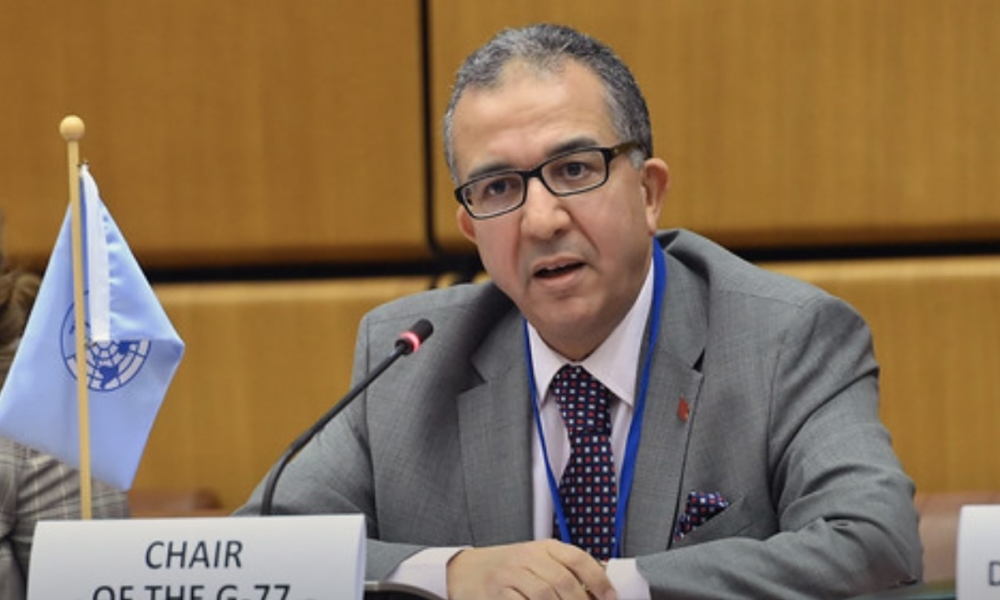
VIENNA — The international community continues to grapple with the complex challenge of countering violent extremism, a task that has prompted a rigorous examination of successful national strategies. In recent high-level discussions held in Vienna, the Kingdom of Morocco’s multifaceted approach to deradicalization was presented as a significant reference point for policymakers and security experts navigating the evolving landscape of global counter-terrorism efforts.
The Moroccan model, which integrates religious, social and security-based initiatives, has gained international attention for its emphasis on institutional reform and community engagement. As global security agencies seek sustainable alternatives to purely kinetic responses to radicalization, Morocco’s emphasis on the “Moroccan model of deradicalization” has become a central topic in multilateral forums, highlighting how state-led religious oversight and socio-economic development can serve as effective bulwarks against extremist ideologies.
This approach is underpinned by a centralized religious authority, led by the Mohammed VI Foundation for African Oulema, which promotes a moderate interpretation of Islam. By focusing on training imams and providing a counter-narrative to extremist discourse, the strategy seeks to address the root causes of radicalization before they translate into security threats. These efforts are complemented by the national “Moussalaha” (Reconciliation) program, an initiative overseen by the General Delegation for Prison Administration and Reintegration (DGAPR) that focuses on the rehabilitation and social reintegration of individuals convicted of terrorism-related offenses, as detailed in reports by the United Nations Office of Counter-Terrorism.
The Pillars of the Moroccan Counter-Radicalization Strategy
At the heart of the Moroccan strategy is a recognition that security cannot be maintained through policing alone. The state has invested heavily in reforming the religious field, a process that began in earnest following the 2003 Casablanca bombings. This institutional restructuring aimed to reclaim the religious discourse from extremist actors, ensuring that mosques and religious education institutions adhere to a moderate Maliki school of jurisprudence, which is deeply rooted in Morocco’s cultural history and emphasizes spiritual moderation.
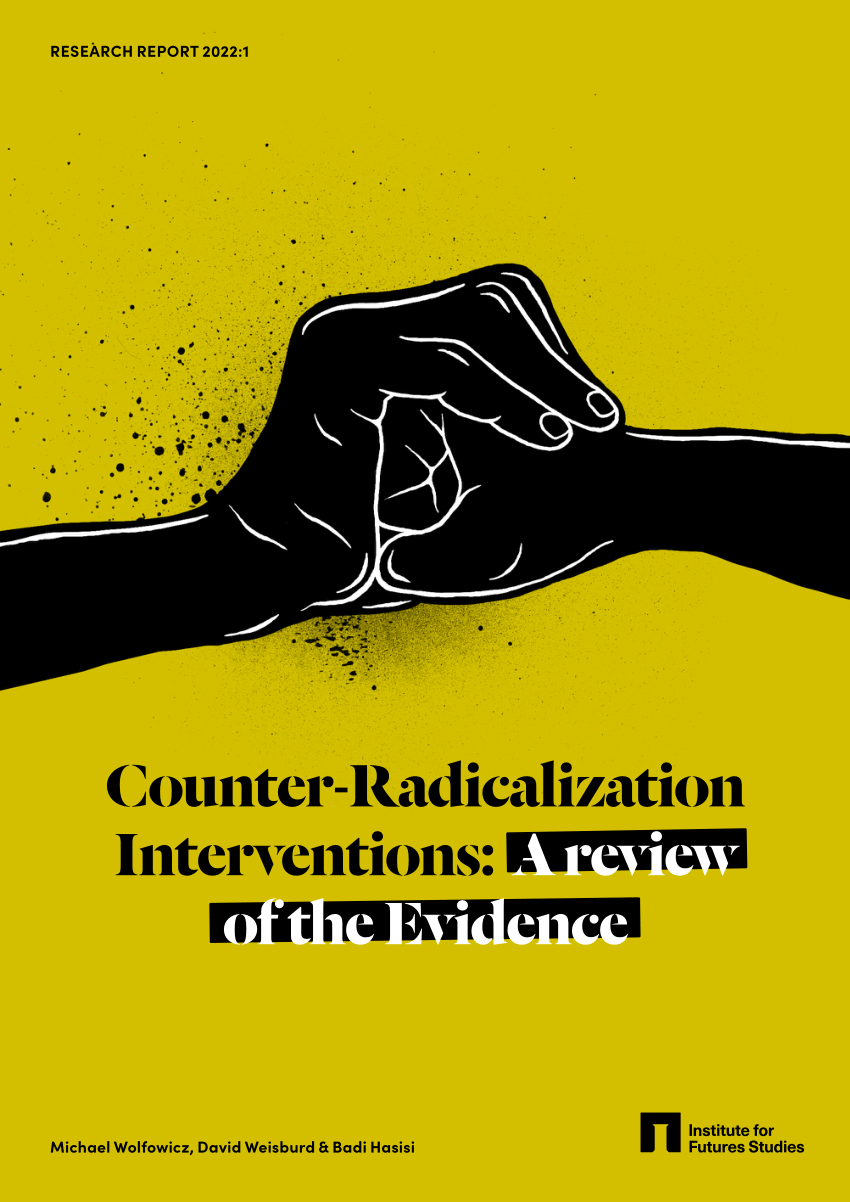

the state has actively engaged in socio-economic development programs, particularly in marginalized urban areas where radicalization risks are statistically higher. According to data provided by the World Bank, Morocco’s sustained commitment to human development and poverty reduction remains a cornerstone of its national stability, directly impacting the susceptibility of vulnerable populations to extremist recruitment efforts. By linking security policy with broader developmental goals, Rabat has sought to build a more resilient social fabric.
The Moussalaha program, in particular, represents a departure from punitive-only models. It involves a comprehensive process that includes religious counseling, psychological support, and legal guidance, aimed at facilitating the reintegration of former inmates into society. This initiative, which has been highlighted by international observers including the United Nations Counter-Terrorism Centre, emphasizes the importance of personal accountability and the debunking of extremist narratives through theological debate.
International Perspectives on Counter-Terrorism
The Vienna meetings served as a platform for experts to compare notes on the efficacy of these programs. The focus on deradicalization is timely, as many European nations face the dual challenge of preventing radicalization within their own borders and managing the return of foreign fighters. The Moroccan example is often cited for its success in fostering a “cooperative security” mindset, where the government works in tandem with religious leaders and civil society to monitor and mitigate extremist influence.
However, analysts caution that no model is universally applicable without significant local adaptation. The success of the Moroccan framework is inextricably linked to the country’s specific historical, religious, and political context. During the discussions in Vienna, participants emphasized that the “export” of such models requires a nuanced understanding of local power structures and cultural sensitivities. The Organization for Security and Co-operation in Europe (OSCE), which frequently hosts such dialogues, maintains that effective counter-terrorism strategies must be grounded in the rule of law and respect for international human rights standards.
The exchange of best practices in Vienna underscores a growing global consensus: that while intelligence and law enforcement remain essential, the long-term defeat of violent extremism requires a robust ideological and social component. The Moroccan model, by integrating theological clarity with institutional rehabilitation, provides a compelling case study for states seeking to address the ideological roots of extremism.
Key Takeaways for Global Security Stakeholders
- Institutional Oversight: Centralizing religious training under a moderate framework has proven effective in neutralizing extremist rhetoric.
- Rehabilitation Focus: The Moussalaha program demonstrates that structured, multi-disciplinary reintegration can reduce recidivism among terrorism offenders.
- Socio-Economic Integration: Development initiatives remain a primary tool for preemptive counter-radicalization by addressing systemic vulnerabilities.
- Multilateral Dialogue: International forums are essential for refining these models and ensuring they align with global human rights standards.
Looking Ahead: Future Counter-Terrorism Summits
As the international community continues to assess the effectiveness of these diverse approaches, further high-level discussions are expected to take place. The United Nations Office of Counter-Terrorism regularly updates its schedule of upcoming global meetings and expert workshops, which serve as the primary venue for states to share progress on their respective national action plans. These meetings remain the most reliable source for tracking the evolution of global policy in this sensitive domain.

For those interested in the ongoing developments of this model, official reports and summaries of international counter-terrorism conferences can be accessed through the archives of the UN Counter-Terrorism Committee. We encourage our readers to engage with these complex topics; your perspectives on the balance between national security and social policy are welcome in the comments section below. Stay tuned to our global affairs desk for further updates as these international dialogues progress.
Keep reading