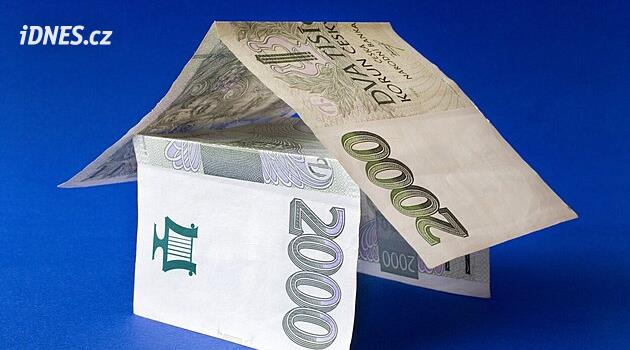
Prague, Czech Republic – After a period of high interest rates, prospective homebuyers in the Czech Republic are seeing a slight easing of mortgage rates. However, economists caution that this trend may be short-lived, as rising energy prices pose a significant threat to continued affordability. The current situation presents a complex landscape for both buyers and sellers, with the potential for increased market volatility in the coming months.
According to data released by Swiss Life Hypoindex, the average offered mortgage rate in the Czech Republic fell to 4.89 percent in March. This represents a modest seasonal decline, typical for the beginning of spring, as demand for mortgages begins to increase. The decrease comes as more Czechs recognize that waiting for significantly lower rates may not be a viable strategy for securing housing. However, the long-term trajectory of these rates remains uncertain, heavily dependent on factors beyond domestic control.
The Impact of Energy Prices on Mortgage Rates
The primary concern overshadowing the recent dip in mortgage rates is the potential for escalating energy costs. As highlighted by economists, energy prices have a direct and substantial impact on overall inflation, which in turn influences the decisions of central banks regarding interest rates. If energy prices continue to rise, the Czech National Bank (ČNB) may be compelled to maintain or even increase interest rates to combat inflation, effectively negating the recent gains in mortgage affordability.
This dynamic is particularly relevant in the Czech Republic, where many homeowners are facing renewed energy contracts at significantly higher prices. The situation is further complicated by the fact that renters are also impacted, as landlords pass on increased energy costs through higher rental rates. This creates a ripple effect throughout the housing market, making both buying and renting more expensive.
Rental Market Stagnation and Investment Concerns
The rising cost of energy is also contributing to a slowdown in the rental market. As reported by iDNES.cz, potential renters are hesitant to commit to new leases due to the uncertainty surrounding energy bills. Unlike homeowners, renters are typically responsible for securing their own energy contracts, leaving them vulnerable to price fluctuations. This hesitancy is causing a freeze in the rental market, as landlords struggle to find tenants willing to accept the financial risk.
Economist and investor Vladimír Brůna notes that this situation is discouraging investment in rental properties. With the potential for prolonged vacancies and increased operating costs, investors are becoming wary of entering the rental market. This lack of investment could exacerbate the existing housing shortage, further driving up prices in the long run.
Czech National Bank Policy and Mortgage Limits
Currently, the Czech National Bank (ČNB) does not impose limits on the maximum loan-to-value ratio or debt-to-income ratio for mortgage applicants. The ČNB’s mortgage calculator provides tools for potential borrowers to assess their affordability. However, this lack of regulatory oversight has been a point of debate among economists, with some arguing that it could contribute to excessive borrowing and increased risk in the housing market. The ČNB has previously used macroprudential tools, such as countercyclical capital buffers, to manage systemic risk in the financial sector, but has not yet implemented specific restrictions on mortgage lending.
Looking Ahead: What to Expect in the Czech Housing Market
The future of the Czech housing market remains uncertain. While the recent decrease in mortgage rates offers a glimmer of hope for potential buyers, the looming threat of rising energy prices casts a shadow over the outlook. Several key factors will determine the direction of the market in the coming months:
- Inflation: The rate of inflation will be a crucial determinant of interest rate policy. If inflation remains high, the ČNB is likely to maintain or increase interest rates, pushing mortgage rates back up.
- Energy Prices: The trajectory of energy prices will have a significant impact on both mortgage rates and the rental market. Continued increases in energy costs could stifle demand and lead to further market stagnation.
- Economic Growth: The overall health of the Czech economy will also play a role. Strong economic growth could support housing demand, while a recession could lead to a decline in prices.
- Government Policies: Government policies related to energy subsidies and housing affordability could also influence the market.
For potential homebuyers, the current situation presents a challenging but potentially opportune moment. While rates are still relatively high, the slight decrease offers a window of opportunity to secure a mortgage before rates potentially rise again. However, it is crucial to carefully assess one’s financial situation and factor in the potential for increased energy costs.
The rental market is expected to remain subdued in the short term, as renters continue to grapple with high energy prices. Investors are likely to remain cautious, further limiting the supply of rental properties. This could lead to increased competition for available rentals and continued upward pressure on rental rates.
The Czech housing market is at a critical juncture. The interplay between mortgage rates, energy prices and economic conditions will determine whether the recent easing of rates is a temporary reprieve or the beginning of a more sustained recovery.
Next Steps: The Czech National Bank is scheduled to announce its next interest rate decision on April 3, 2026. This announcement will provide further clarity on the future direction of monetary policy and its potential impact on mortgage rates. Stay informed about energy price developments and consult with a financial advisor to assess your individual circumstances.
What are your thoughts on the current state of the Czech housing market? Share your comments below and let us know how these developments are affecting you.
Keep reading