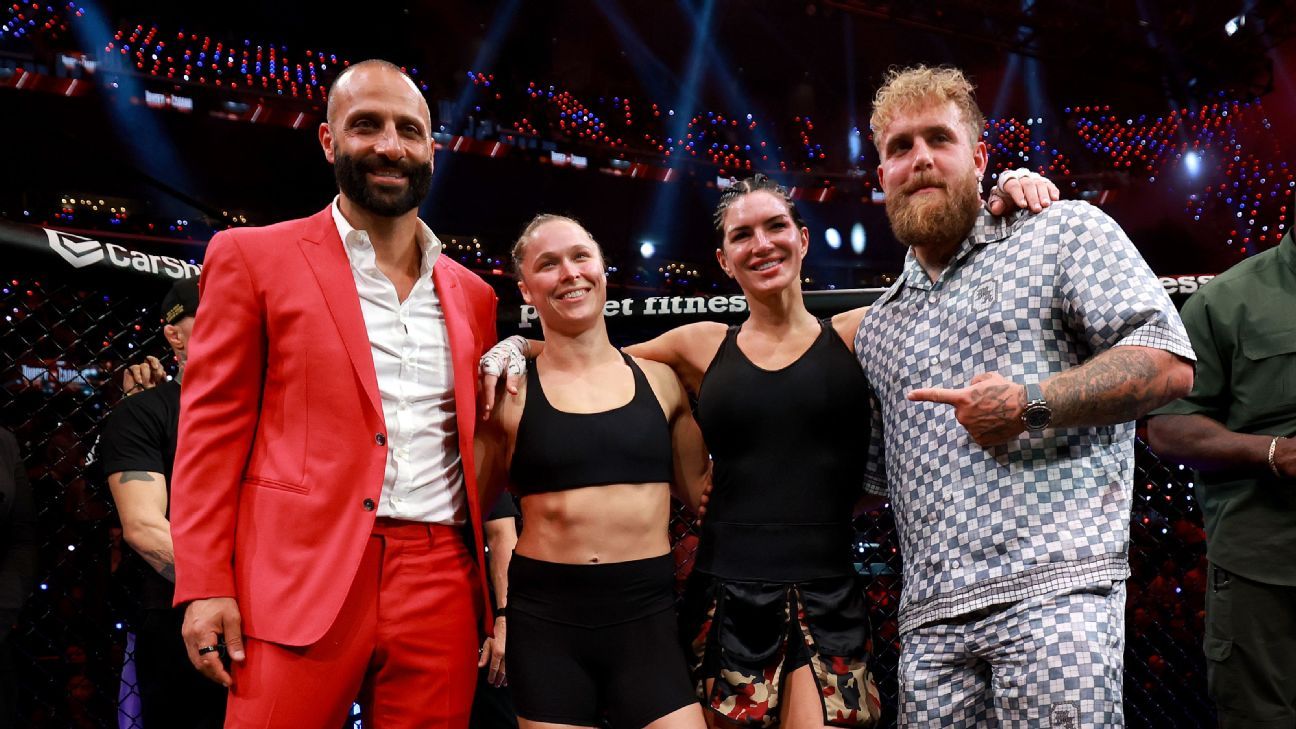
In the fast-evolving landscape of combat sports, few names carry as much weight—or as much controversy—as Jake Paul. The former YouTube star-turned-MMA promoter has firmly planted his flag in the world of mixed martial arts (MMA) through Most Valuable Promotions (MVP), a venture that has already reshaped the sport’s business model and fan engagement strategies. With a bold declaration that his organization is “unstoppable,” Paul and his team are doubling down on their ambitions, signaling plans to expand their dominance in 2026. But what does this mean for the future of MMA? And how will MVP’s aggressive strategy impact the industry’s competitive landscape?
MVP’s recent foray into MMA has been nothing short of explosive. Since its inception, the promotion has delivered some of the most-watched events in combat sports history, including what is now recognized as the most-streamed sporting event in history and the most-viewed women’s match in U.S. History. These milestones have not only redefined audience metrics but also forced traditional promotions to rethink their approaches to digital reach and fan interaction. At the heart of MVP’s success lies its unapologetic blend of celebrity appeal, high-energy production, and a willingness to take risks—strategies that have paid off in record-breaking viewership and social media engagement.
Yet, behind the flashy headlines and record-breaking numbers lies a promotion that is still finding its footing in the highly regulated and tradition-bound world of MMA. While MVP has made strides in attracting top-tier talent—including former UFC stars like Ronda Rousey and Amanda Serrano—its long-term sustainability hinges on more than just star power. The promotion’s recent event in Los Angeles, featuring a unified super featherweight world championship bout between Rousey and Gina Carano, drew widespread attention, but it also sparked debates about the sport’s future direction. Critics argue that MVP’s emphasis on spectacle over substance risks diluting the technical and competitive integrity that has long defined MMA. Supporters, however, point to the promotion’s ability to draw younger, more diverse audiences—a demographic that traditional promotions have struggled to engage.
MVP’s Expansion Plans: A Second Card and Beyond
According to insiders familiar with MVP’s operations, the promotion is actively exploring the addition of a second annual card in 2026, a move that would solidify its position as a major player in the MMA calendar. While exact details remain under wraps, industry sources suggest that this expansion could include a mix of high-profile bouts, emerging talent showcases, and themed events designed to maximize fan engagement. The goal, as outlined by MVP’s leadership, is to create a year-round brand experience that rivals the UFC’s dominance while carving out a distinct identity.
One of the key challenges MVP faces is navigating the complex web of regulatory and contractual hurdles that govern MMA. Unlike traditional sports promotions, combat sports organizations must adhere to state athletic commissions, licensing requirements, and athlete contracts that often include clauses tied to other promotions. For example, the unified lightweight world championship bout between Caroline Dubois and Terri Harper, held in London in April 2026, required careful coordination with UK Anti-Doping and the British Athletic Commission. MVP’s ability to secure such partnerships will be critical in determining the success of its expansion plans.
Another factor to watch is MVP’s relationship with its parent company, Most Valuable Promotions LLC, which is co-founded by Jake Paul and Nakisa Bidarian. While Paul’s name and influence have been instrumental in attracting media attention, the promotion’s long-term viability will depend on its ability to operate independently of any single personality. This is a lesson learned from other celebrity-driven sports ventures, where the departure or distraction of a key figure can lead to instability.
Who’s Fighting for MVP in 2026?
MVP’s roster is a mix of established names and rising stars, each bringing their own fanbase and marketability to the promotion. Among the headliners are:
- Ronda Rousey: The former UFC Women’s Bantamweight Champion and Olympic judoka has become a cornerstone of MVP’s women’s division. Her recent return to competition, highlighted by a vintage armbar submission in 17 seconds against Gina Carano, has reignited interest in the sport and solidified her status as a global draw.
- Amanda Serrano: A four-time world champion across multiple weight classes, Serrano’s technical prowess and charismatic presence have made her a fan favorite. Her recent bout against Reina Tellez in Puerto Rico drew record viewership for MVP’s Latin American market.
- Francis Ngannou: The heavyweight lineal champion continues to be a major draw, with his first-round finish against Phillipe Lins further cementing his reputation as one of the most dominant strikers in the sport.
- Stephanie Han: The rising star’s upcoming bout against Holly Holm on May 30, 2026, is expected to be a major event, with MVP positioning it as a showcase for the next generation of female fighters.
Beyond the headliners, MVP has also invested in developing homegrown talent, such as Ellie Scotney and Alycia Baumgardner, who have quickly become fan favorites through their aggressive fighting styles and social media presence. This focus on emerging athletes is part of MVP’s strategy to build a sustainable pipeline of stars who can carry the promotion into the future.
The Business of Combat Sports: Can MVP Sustain Its Momentum?
MVP’s rapid rise has forced the MMA industry to confront a fundamental question: Is there room for more than one major promotion? The UFC has long dominated the sport, but MVP’s success has proven that alternative models—particularly those leveraging digital platforms and celebrity appeal—can thrive. However, sustaining this momentum will require more than just high-profile fights. It will demand:
- Financial stability: While MVP’s events have drawn massive audiences, the promotion must ensure that revenue from ticket sales, pay-per-view, and sponsorships is sufficient to cover operational costs and athlete purses. Unlike traditional sports leagues, MMA promotions operate on thinner margins, and a single misstep can have significant financial repercussions.
- Regulatory compliance: Navigating the patchwork of state athletic commissions and international governing bodies is a complex and often costly process. MVP’s recent event in London required compliance with UK regulations, while its California-based events must adhere to the California State Athletic Commission’s rules. Any missteps in this area could lead to legal challenges or lost opportunities.
- Athlete retention: The MMA landscape is highly competitive, and top fighters often have multiple promotional offers. MVP’s ability to retain its talent—and attract new stars—will be critical to its long-term success. For example, the recent signing of Oshae Jones for her upcoming bout against Elia Carranza on June 13, 2026, is a strategic move to bolster its women’s division.
MVP must address concerns about the sport’s long-term health. While the promotion’s events have drawn record audiences, there are growing calls for greater transparency around fighter safety, medical protocols, and the psychological impact of high-pressure bouts. The UFC has faced scrutiny in this area, and MVP will need to proactively demonstrate its commitment to athlete welfare to avoid similar backlash.
What’s Next for MVP?
Looking ahead, MVP’s next major checkpoint is the Stephanie Han vs. Holly Holm bout on May 30, 2026. This event is expected to set the tone for the promotion’s second half of the year and will likely serve as a litmus test for its ability to deliver on its expansion plans. Following this, the Oshae Jones vs. Elia Carranza matchup on June 13, 2026, will further test MVP’s ability to maintain momentum in a crowded calendar.

Beyond these events, MVP’s long-term strategy will hinge on its ability to secure high-profile signings, negotiate favorable deals with state athletic commissions, and continue to innovate in fan engagement. The promotion’s recent social media campaigns, which have included interactive elements like fan voting for bout matchups, suggest a willingness to experiment with new formats. If successful, these initiatives could redefine how combat sports connect with audiences.
For now, MVP’s message is clear: they are here to stay. With Jake Paul’s unyielding ambition and a roster of fighters who embody the sport’s dynamic future, the promotion is poised to challenge the status quo. Whether it can sustain this trajectory remains to be seen, but one thing is certain—MVP has already changed the game.
Key Takeaways
- MVP’s expansion plans include a potential second annual card in 2026, aiming to solidify its place in the MMA calendar alongside the UFC.
- The promotion’s success hinges on balancing star power with regulatory compliance and financial sustainability.
- Upcoming bouts like Stephanie Han vs. Holly Holm and Oshae Jones vs. Elia Carranza will be critical tests of MVP’s ability to maintain momentum.
- Fan engagement and digital innovation remain central to MVP’s strategy, with interactive elements like fan voting shaping future events.
- The promotion’s long-term viability will depend on its ability to retain top talent and navigate the complex regulatory landscape of combat sports.
What do you think about MVP’s future in MMA? Will their expansion plans pay off, or are they overreaching? Share your thoughts in the comments below or join the conversation on social media using #MVPMMA. For the latest updates on upcoming events and fighter signings, stay tuned to Most Valuable Promotions’ official channels.