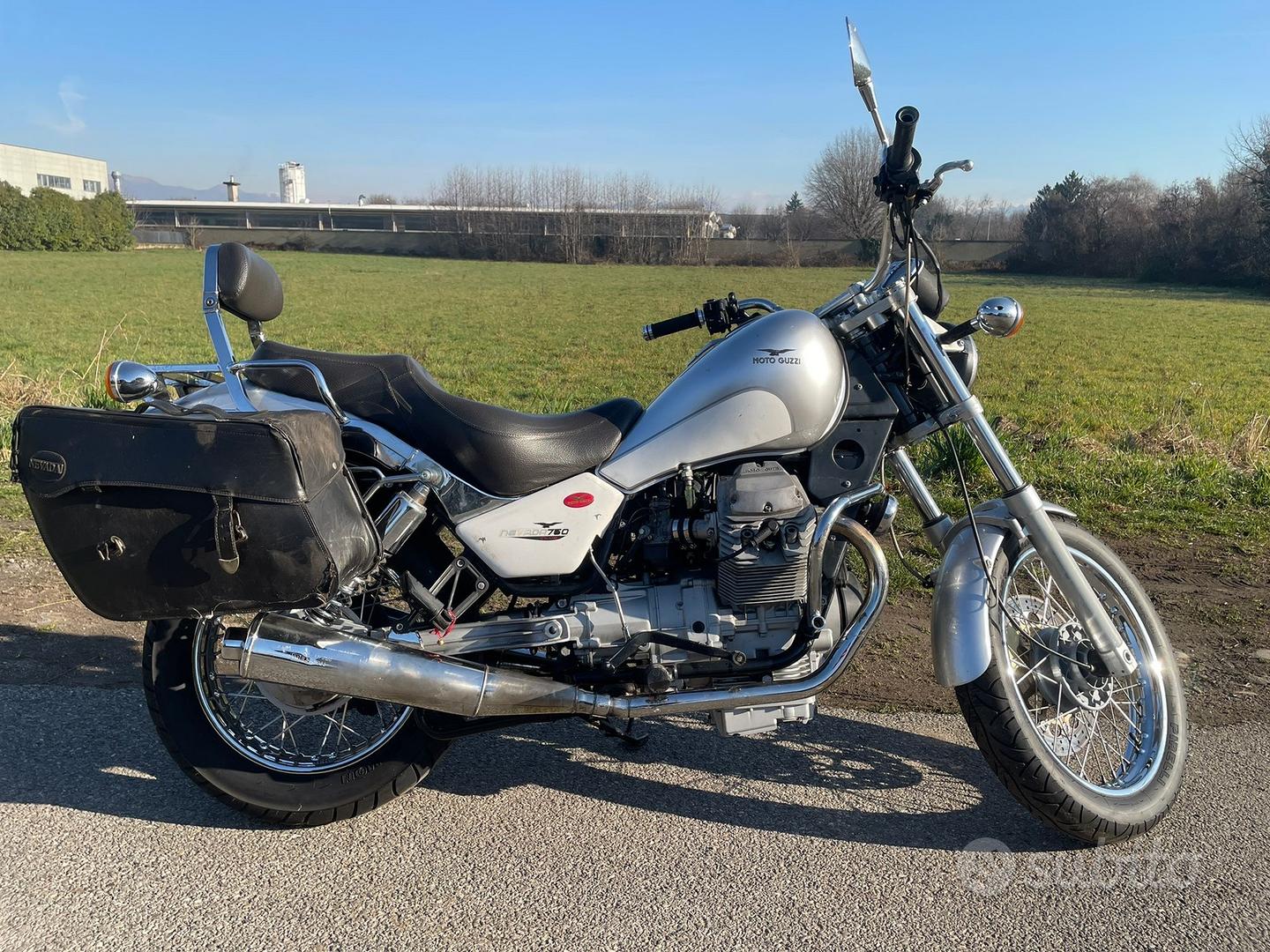
The Moto Guzzi Nevada 750, a staple of the Mandello del Lario manufacturer’s cruiser lineup, remains a sought-after classic for collectors and enthusiasts looking for the distinct character of an air-cooled V-twin engine. Models from the early 2000s, such as the 2004 iteration, represent the final years of the carbureted era for this platform before Moto Guzzi shifted toward electronic fuel injection systems to meet tightening emissions standards. Understanding the maintenance requirements and performance profile of these machines is essential for prospective buyers navigating the secondary market.
According to historical technical specifications provided by Moto Guzzi’s official heritage archives, the 2004 Nevada 750 features the brand’s iconic 90-degree transverse V-twin configuration. This engine layout is renowned for its specific torque delivery and accessibility for home mechanics, a primary reason why many units remain on the road after two decades. While the model is celebrated for its low center of gravity and relative ease of handling, owners frequently cite the importance of regular valve clearance adjustments and carburetor synchronization to maintain smooth operation.
Technical Evolution of the Nevada 750
The 2004 model year sits at a specific transition point in Moto Guzzi’s production history. By the early 2000s, the Nevada had already established itself as an entry-level cruiser that balanced traditional Italian engineering with a manageable weight profile. As noted by Motorcycle Specs, the 744cc engine produced approximately 45 horsepower, a figure that prioritizes mid-range grunt over high-RPM performance. For riders in regions like Como, Italy, or elsewhere in Europe, the bike’s agility on winding roads often outweighs the desire for top-end speed.
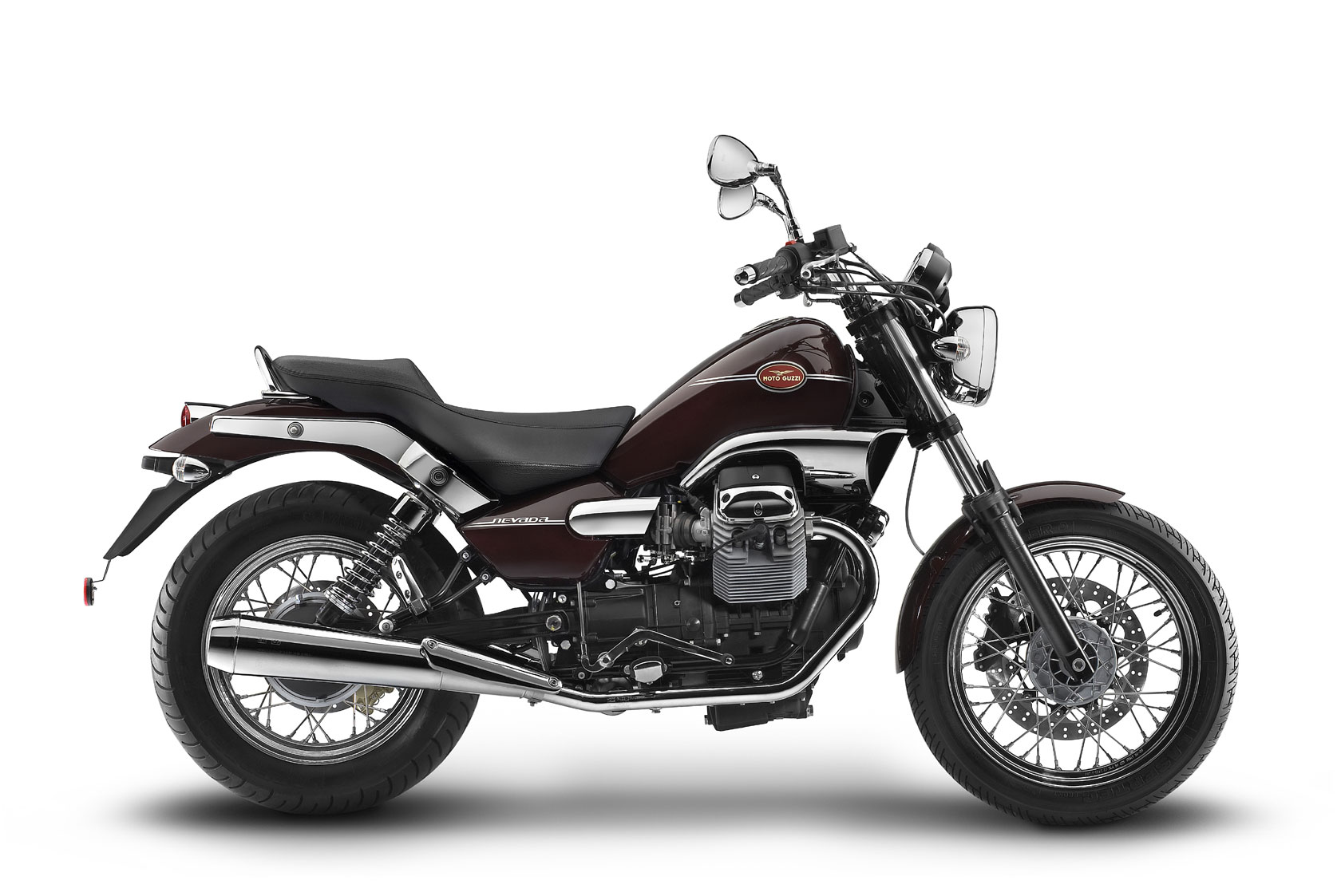
One of the primary considerations for a 2004 unit with higher mileage—such as those approaching or exceeding 50,000 kilometers—is the condition of the rubber components and the internal state of the Dell’Orto carburetors. Because these components are sensitive to fuel degradation over long periods of inactivity, buyers are often advised by independent Guzzi technical forums to inspect the intake manifolds for cracks and ensure the float needles are seating correctly to prevent flooding. These maintenance tasks are standard for air-cooled motorcycles of this vintage.
Evaluating a Pre-Owned Motorcycle
When assessing a used Moto Guzzi Nevada 750, the physical condition of the frame and the integrity of the shaft drive system are as critical as the engine performance. Unlike chain-driven cruisers, the Nevada utilizes a cardan shaft drive, which offers the advantage of lower maintenance intervals but requires periodic gear oil changes to prevent premature wear of the final drive unit. According to the Motorcycle.com archive of classic reviews, the shaft drive contributes to the bike’s distinct “Guzzi feel,” characterized by a slight lateral torque reaction when the throttle is blipped at a standstill.
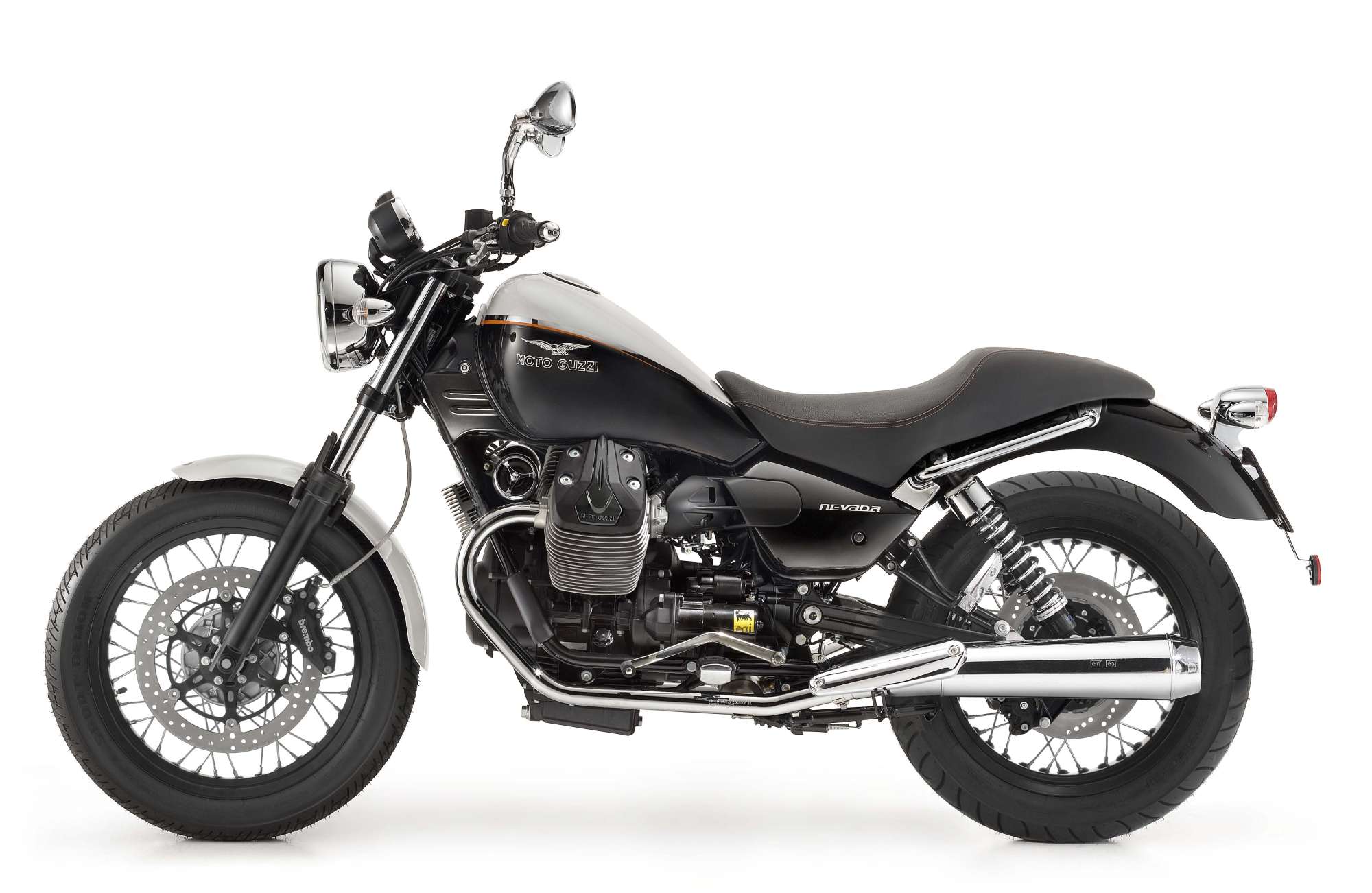
Prospective owners should verify the following areas during a pre-purchase inspection:
- Carburetor Health: Check for signs of fuel leaks around the float bowls and ensure the choke mechanism operates smoothly.
- Shaft Drive Condition: Look for oil weeping at the swingarm seals or the rear hub.
- Electrical System: Inspect the charging system, specifically the alternator and regulator/rectifier, as these can become brittle with age.
- Frame and Suspension: Verify that the chrome finish on the forks is free from pitting, which can tear fork seals and lead to oil leaks.
Market Positioning and Collector Interest
The market for mid-sized cruisers from the early 2000s has seen a resurgence as riders seek simpler, mechanical experiences free from complex digital rider aids. The Moto Guzzi Nevada 750 occupies a unique niche, often compared to the Triumph Bonneville or the smaller-displacement cruisers of the era. While the Nevada may lack the modern braking performance of contemporary machines, it offers a visceral connection to the road that resonates with a specific segment of the riding community. According to Federazione Motociclistica Italiana (FMI) guidelines, vehicles over 20 years old may qualify for historical status, which can impact insurance and circulation regulations depending on local regional laws in Italy.
For those interested in the ongoing maintenance or acquisition of these machines, the next major checkpoint for the classic motorcycle community involves the annual EICMA trade show in Milan, where manufacturers often highlight their historical lineups. Prospective buyers are encouraged to consult their local mechanical specialists before finalizing any purchase to ensure the specific unit’s history aligns with its current mechanical state. If you have questions about maintaining your own Moto Guzzi or are currently navigating the search for a classic cruiser, please leave a comment below to share your experiences with the community.
Worth a look