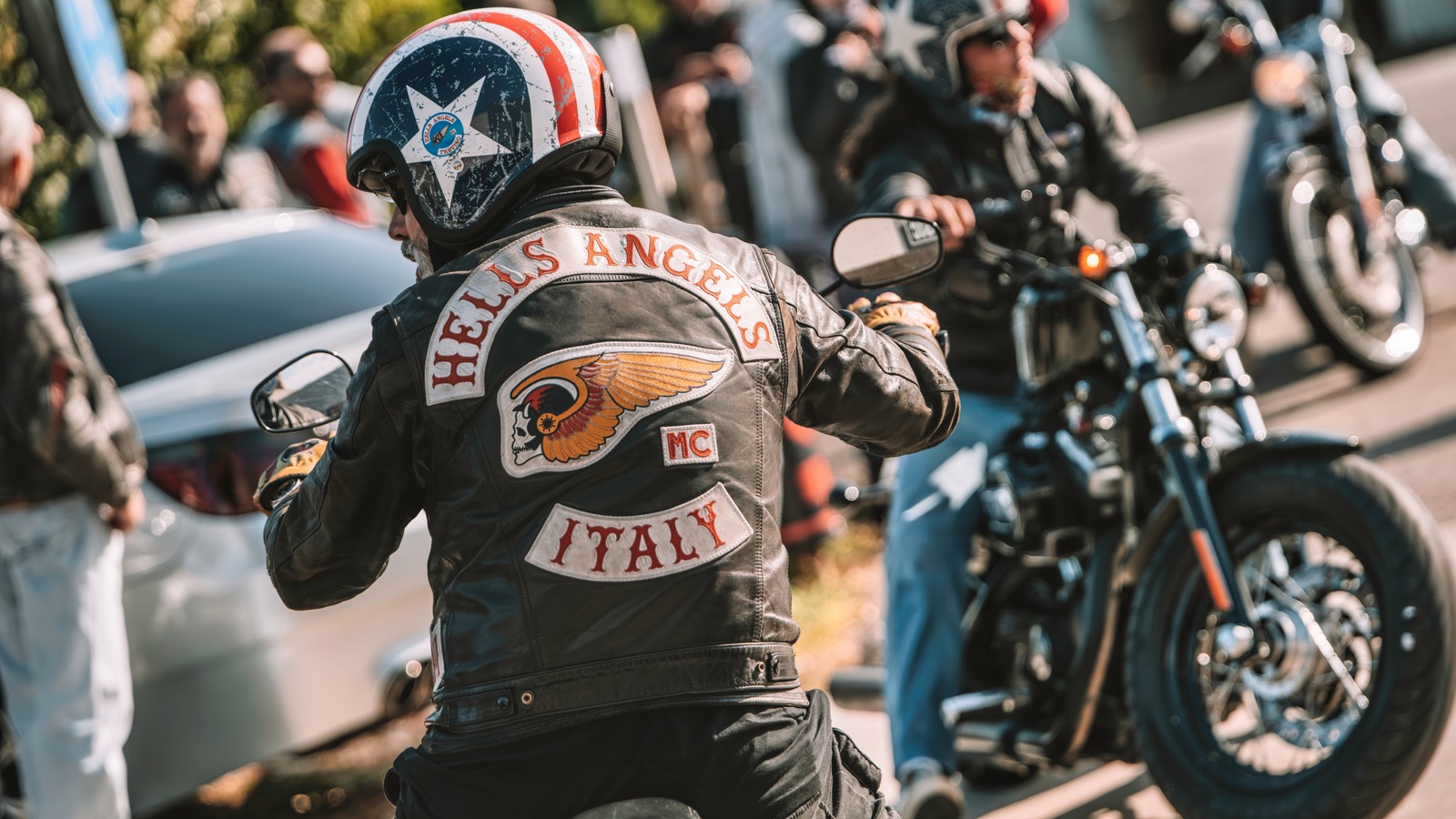
hells angels vs. Mongols: Decoding the Rivalry and Size of These Outlaw Motorcycle Clubs
The world of outlaw motorcycle clubs (OMCs) is steeped in history, rivalry, and a complex code of conduct. Two names consistently rise to the surface when discussing these groups: the Hells Angels and the Mongols. You’ve likely heard tales of their clashes and dominance, but which club truly holds the larger presence? Let’s delve into the origins, growth, and current status of both, separating fact from fiction.
A History Forged in Post-War America
The Hells Angels’ story begins in 1948, born from the remnants of a Marine Corps Flying Tigers unit in California.Initially, the name was a nod to the daring pilots, but it quickly evolved as the club attracted military veterans seeking camaraderie and a new identity. These early members weren’t initially “outlaws” in the modern sense, but the club’s reputation gradually shifted.
The Mongols emerged two decades later, in 1969, also in California. Interestingly, the founding members of the Mongols were all of Hispanic descent. When they attempted to join the Hells Angels, they were rebuffed, a rejection that fueled the creation of a formidable rival. Inspired by the legacy of Genghis Khan and the Mongol empire, they set out to carve their own territory.
The Rise of a Bitter Rivalry
This initial rejection sparked a long-standing and often violent rivalry. The Mongols quickly gained traction, and by the 1980s, they had even managed to wrest control of Southern California from the Hells Angels. Both clubs established California as their home base, and confrontations became increasingly common.
Today, both groups are involved in serious criminal activity, including drug trafficking, weapons dealing, and even murder. The U.S. government has actively pursued legal cases against both, aiming to dismantle their operations.
So, Which Club is Bigger?
Determining the exact size of these organizations is notoriously difficult. OMCs operate with a degree of secrecy, and membership numbers fluctuate. However, current estimates suggest the Hells Angels maintain a larger global presence.
Here’s a breakdown of approximate numbers:
* Hells Angels: Roughly 2,500-2,800 members spread across 65-70 chapters worldwide.
* Mongols: Approximately 800-1,000 members in around 50 chapters, primarily concentrated in the United States.
While the Mongols have a notable presence, especially in the Southwest, the Hells Angels boast a more extensive international network. this wider reach contributes to their larger overall membership.
Beyond Numbers: Influence and Structure
It’s significant to remember that size isn’t the only measure of influence. Both clubs have a hierarchical structure, with a strict code of conduct and a strong emphasis on loyalty.
* Hierarchical Structure: Both clubs operate with a clear chain of command, from local chapters to national leadership.
* Territorial Control: Maintaining control over specific territories is crucial for both clubs, frequently enough leading to conflicts with rivals.
* Strict Code of Conduct: Members are expected to adhere to a rigid set of rules,with severe consequences for violations.
A Legacy of Outlaw Life
The story of the Hells Angels and the Mongols is a complex one, rooted in post-war America and fueled by a desire for belonging, power, and a rejection of societal norms. While their activities are undeniably criminal, understanding their history and structure provides insight into the enduring appeal - and the dangers – of the outlaw motorcycle club lifestyle.
If you find yourself curious about this subculture, remember to approach it with caution and respect for the law. These are organizations with a long history of violence and criminal activity, and engaging with them can have serious consequences.