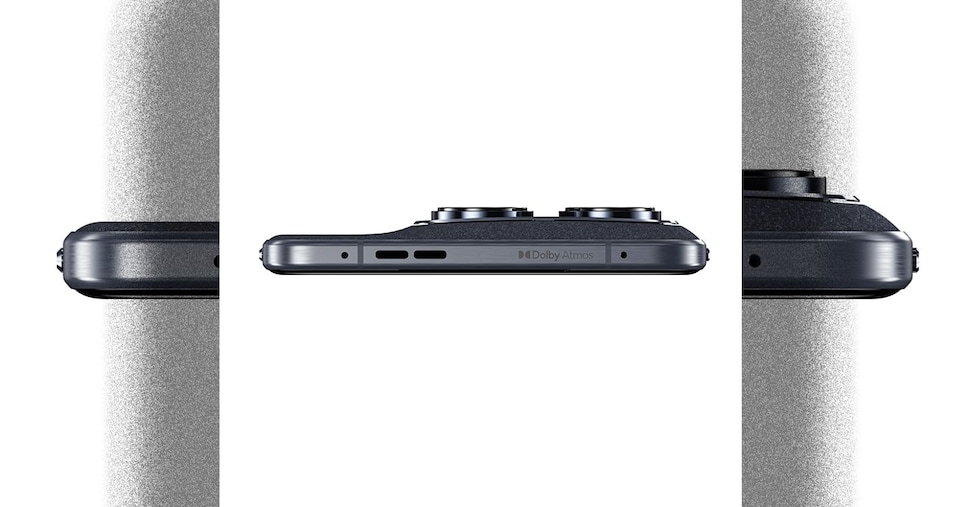
San Francisco, CA – Motorola is making a bold return to the premium smartphone market with the Signature, a device prioritizing sleek design and powerful performance. Unveiled this week, the Signature aims to carve out a niche for itself in a crowded field dominated by Samsung and Google, offering a compelling alternative for consumers seeking a flagship experience without the bulk often associated with top-tier devices. The launch signals a shift in strategy for Motorola, which has largely focused on mid-range offerings in recent years, and represents a significant investment in regaining a foothold in the high-end segment.
The Motorola Signature is built around the Qualcomm Snapdragon 8 Gen 5 processor, paired with up to 16GB of LPDDR5X RAM and up to 1TB of UFS 4.1 storage. This configuration positions it squarely within the performance bracket of 2026 flagship Android phones. The device runs on Android 16, marking it as one of the first to ship with the latest version of Google’s mobile operating system, and Motorola is promising an industry-leading seven years of OS updates and security patches – a major commitment that surpasses many competitors. This extended support addresses a long-standing criticism of Motorola’s update policies, bringing them in line with industry leaders like Samsung, and Google. The focus on longevity is a key selling point for consumers increasingly concerned about the long-term usability of their devices.
A Return to Premium Design
What immediately sets the Motorola Signature apart is its emphasis on a slim profile. In a market trend towards larger, heavier phones driven by battery capacity and camera technology, Motorola is deliberately opting for a more refined and ergonomic design. The company hasn’t yet released precise dimensions, but marketing materials highlight the device’s thinness as a core feature. This design choice is a calculated risk, potentially appealing to users who prioritize comfort and aesthetics over sheer size. The phone features a 6.67-inch display with a 165Hz refresh rate, offering a smooth and responsive visual experience.
Under the Hood: Performance and Photography
Beyond the design, the Motorola Signature boasts impressive internal specifications. The Snapdragon 8 Gen 5 SoC, confirmed by Geekbench 6.5 listings, delivers substantial processing power, scoring 2,854 in single-core tests and 9,411 in multi-core tests. As reported by TechHounder, these scores outperform many current flagship devices, suggesting a fluid experience for demanding tasks like gaming and AI applications. The phone’s camera system is equally ambitious, featuring a triple-lens setup with 50-megapixel Sony sensors, including a periscope telephoto lens capable of 100x zoom, enhanced by artificial intelligence. The 5200 mAh battery supports fast charging, though specific charging speeds haven’t been detailed. Motorola is also integrating its Moto AI suite, offering features similar to Copilot and Perplexity, though its AI capabilities currently lag behind those of Google Pixel and Samsung Galaxy devices.
The AI Landscape and Competitive Challenges
While the Motorola Signature incorporates AI features through Moto AI, it currently doesn’t match the depth of integration seen in Google’s Pixel series or Samsung’s Galaxy line. Google Pixel leverages advanced computational photography and deep integration with its AI models, while Samsung is rapidly expanding its AI capabilities across its ecosystem. The Snapdragon 8 Gen 5, while powerful, is also facing competition from newer chips like the Snapdragon 8 Elite, which are beginning to appear in other flagship devices. This means Motorola is entering a highly competitive space where innovation is rapid and differentiation is crucial. The company’s success will depend on its ability to deliver a compelling user experience that justifies its price point and addresses the shortcomings in its AI offerings.
Pricing and Market Positioning
The Motorola Signature is priced at €1,299 in Italy, placing it firmly in the premium flagship category. According to GSM Arena, this positions it directly against the Samsung Galaxy S series, which dominates the premium market with its comprehensive ecosystem, superior camera technology, and advanced AI features. Google Pixel, with its focus on computational photography and AI integration, also represents a significant competitor. Other contenders include OnePlus and Xiaomi, which often offer comparable or even superior hardware at similar price points. Motorola’s strategy appears to be to compete on design and ergonomics, offering a sleek and comfortable device that stands out from the crowd. The company is also emphasizing its commitment to long-term software support, a factor that may appeal to consumers seeking a durable and reliable smartphone.
What This Means for the Android Market
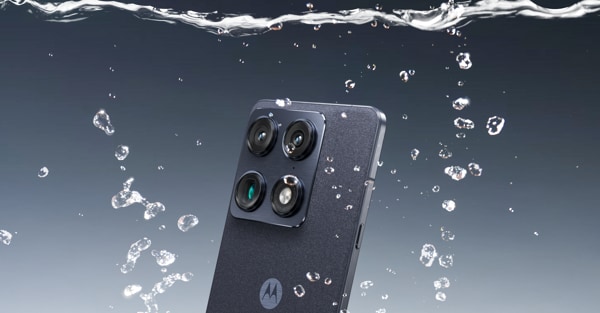
The Motorola Signature is a significant development for the Android landscape, marking a renewed commitment from Motorola to the high-end smartphone market. For years, the company has primarily focused on mid-range devices, leaving the flagship segment to competitors like Samsung and Google. By prioritizing design, performance, and software simplicity, Motorola is attempting to differentiate itself and appeal to a specific segment of consumers. The company’s decision to offer seven years of software updates is a particularly noteworthy move, addressing a key concern for Android users and potentially attracting customers who value long-term support. This strategy represents a calculated bet that a focus on core smartphone fundamentals – design, performance, and software – can be enough to compete in a market increasingly dominated by feature-rich ecosystems.
Key Takeaways
- Design Focus: The Motorola Signature prioritizes a slim and ergonomic design, differentiating it from bulkier flagship phones.
- Powerful Performance: Equipped with the Snapdragon 8 Gen 5 and up to 16GB of RAM, the device delivers flagship-level performance.
- Long-Term Support: Motorola is offering an industry-leading seven years of OS updates and security patches.
- Competitive Pricing: Priced at €1,299, the Signature aims to compete with established players like Samsung and Google.
Motorola’s India launch tease for December 28, 2025, suggests an imminent official reveal, potentially timed to coincide with Flipkart deals. The company’s success will hinge on its ability to execute its vision and deliver a compelling product that resonates with consumers. The next key milestone will be the official launch event, where Motorola is expected to unveil the full specifications, pricing, and availability details of the Signature. We will continue to follow this story and provide updates as they turn into available.
What are your thoughts on Motorola’s return to the flagship market? Share your comments below, and be sure to share this article with your network!
Related reading