
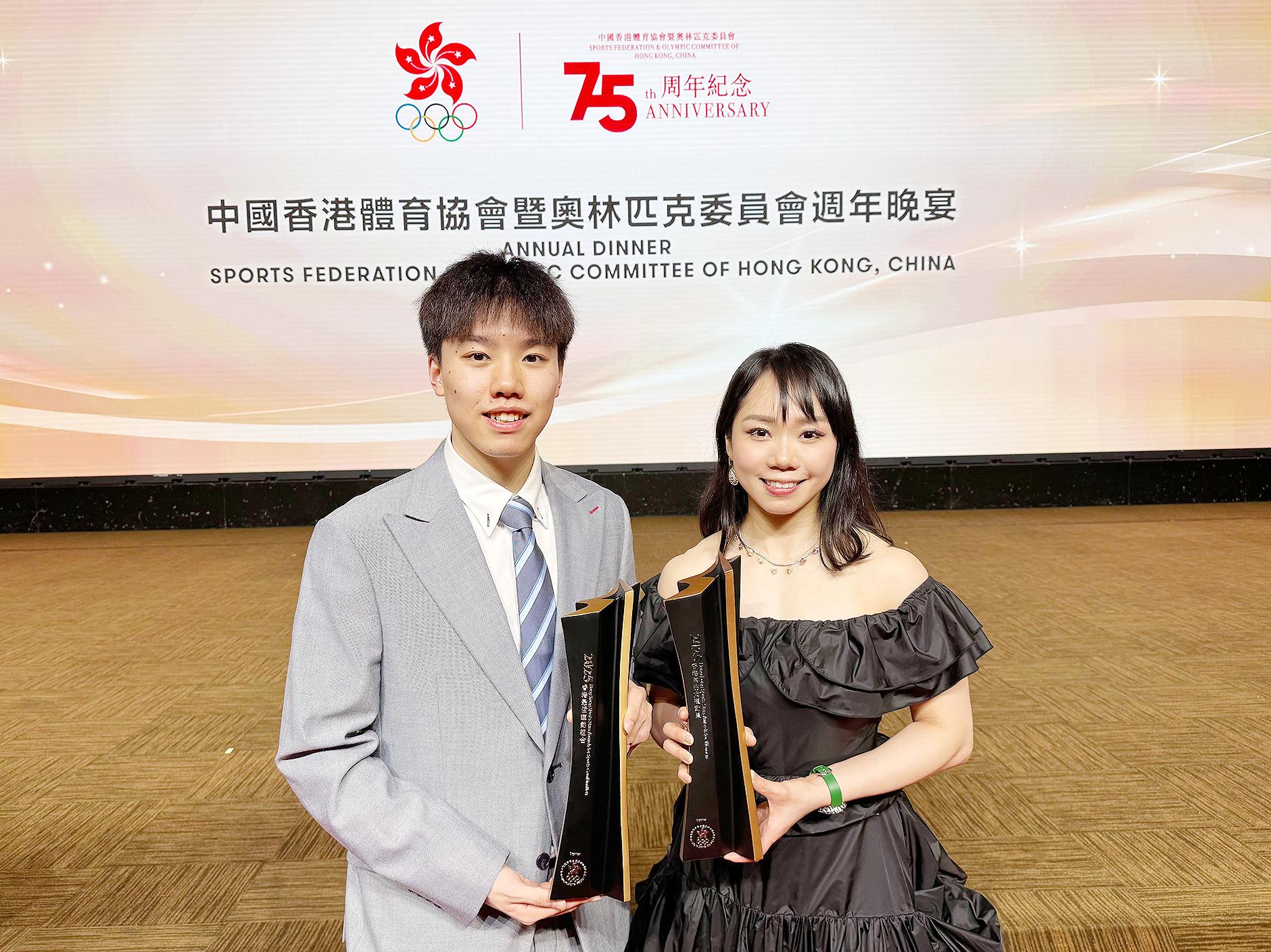
The intersection of athletic discipline and academic excellence continues to yield remarkable results in Hong Kong, as karate star Chan Mo-shuang (刘慕裳) continues to redefine the ceiling for martial arts in the region. A celebrated figure in the sporting community, Chan’s recent accolades underscore a trajectory of consistent growth, moving from an Olympic medalist to a world-ranked leader in the Women’s Kata category.
Chan’s journey is marked by a series of high-profile achievements on the global stage. Most notably, she secured a bronze medal in the Women’s Individual Kata event at the 2020 Tokyo Olympics, a feat that established her as a premier competitor. Since then, her performance has ascended further, culminating in her current status as the world number one in her discipline according to recent reports.
Beyond the podium, Chan’s influence has extended into the social and civic spheres of Hong Kong. In October 2025, she was named one of the “Ten Outstanding Young Persons,” a prestigious honor that recognizes contributions beyond athletic success. This recognition highlights the role of elite athletes as ambassadors for resilience and dedication, bridging the gap between competitive sports and societal inspiration.
A Decade of Dominance: From Tokyo to the World Stage
Chan Mo-shuang’s rise to the top of the karate world was not an overnight success but a result of strategic evolution. After her Olympic debut in 2021, she transitioned from a podium contender to a dominant force. In 2023, she achieved a significant milestone by winning the gold medal at the Asian Karate Championships, becoming the first athlete from Hong Kong to claim an Asian title in karate as verified by news reports.
Her momentum continued throughout 2023, where she earned a silver medal at the World Karate Championships and a bronze medal at the Hangzhou Asian Games. This streak of excellence extended into 2024 and 2025, with Chan winning gold medals at the Asian Championships for three consecutive years starting from 2023, and securing a gold medal at the World Games per official records.
The technicality of the “Kata” (form) project requires a blend of precision, power, and mental fortitude. Chan’s ability to maintain a world-ranking lead speaks to her mastery of these elements. Her ability to defeat traditional powerhouses, particularly rivals from Japan, has shifted the competitive landscape of karate in Asia.
The Transition from Ballet to Budo
In her reflections on her career, the 33-year-ancient athlete revealed a surprising origin story. Chan began her journey in the arts, studying ballet as a child. However, citing a frail constitution and frequent illness during her youth, she sought a way to strengthen her body. Inspired by her brother’s karate practice and the “sharp and powerful” movements of the art, she made the pivotal decision to switch from ballet to karate at the age of 11 as detailed in her award speech.
This background in ballet provided an unexpected advantage. The flexibility and discipline gained from dance allowed her to master the “Individual Kata” project rapidly. In her early youth competitions, she reportedly won gold medals shortly after beginning her training. However, the transition to adult competition brought a period of hardship and defeat, which Chan describes as the essential “nourishment” that allowed her to eventually “spread her wings” and achieve international success.
Societal Impact and the “Ten Outstanding Young Persons” Honor
The selection of Chan Mo-shuang as one of the “Ten Outstanding Young Persons 2025” marks a transition in how her achievements are viewed. While her career has been defined by sporting trophies, this award recognizes her as a role model for the broader community. In her acceptance speech, titled “The Way is Like Life, Only Adventure Brings Surprises,” she emphasized that this honor represents social support for both herself and the sport of karate according to the award transcript.
Chan’s journey serves as a case study in resilience. By openly discussing her early failures in adult competitions, she provides a blueprint for young athletes on how to handle professional setbacks. Her trajectory—from a sickly child to a world-ranked number one athlete—highlights the transformative power of sports in personal development.
Career Milestone Timeline
| Year | Event/Award | Result/Achievement |
|---|---|---|
| 2021 | Tokyo Olympic Games | Bronze Medal (Women’s Individual Kata) |
| 2022 | World Games | Bronze Medal (Women’s Individual Kata) |
| 2023 | Asian Karate Championships | Gold Medal (First HK Asian Champion) |
| 2023 | World Karate Championships | Silver Medal |
| 2023 | Hangzhou Asian Games | Bronze Medal |
| 2025 | World Games | Gold Medal |
| 2025 | Ten Outstanding Young Persons | Honoree |
Looking Ahead: The Pursuit of Continued Excellence
As of late 2025, Chan Mo-shuang has not slowed her momentum. She has been documented training in Spain to prepare for upcoming World Championships, maintaining her rigorous schedule to defend her world ranking. Her commitment to “adventure” and risk-taking remains the core philosophy of her training regimen.
For the sporting community in Hong Kong and beyond, Chan represents a shift toward diversifying the types of athletes who receive mainstream recognition. Her success in a discipline as specialized as Kata brings visibility to the technical and mental aspects of martial arts, encouraging a new generation to pursue excellence in non-traditional sporting events.
The next confirmed checkpoint for Chan’s career will be her performance in the upcoming World Championships, where she aims to translate her world-ranking lead into further podium success. Her journey from a 11-year-old ballet student to a global karate icon continues to be a source of inspiration for athletes worldwide.
Do you believe the integration of artistic backgrounds like ballet enhances performance in martial arts? Share your thoughts in the comments below and share this story with other sports enthusiasts.