
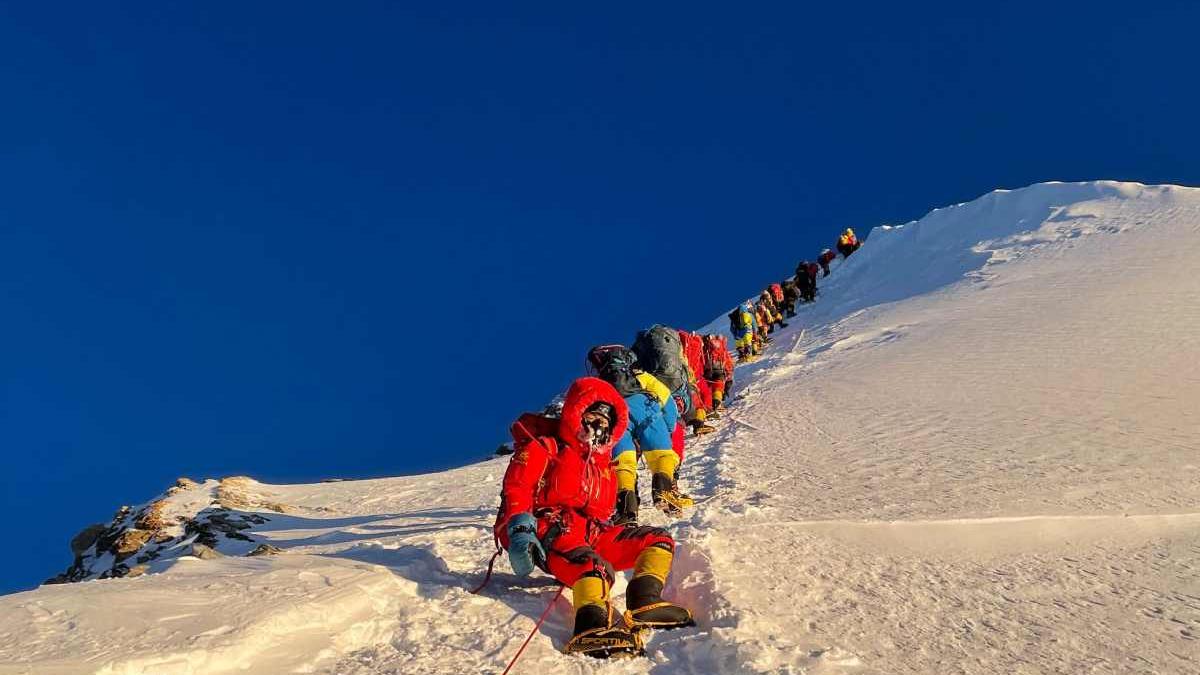
In one of the most harrowing betrayals of trust in the history of high-altitude mountaineering, authorities in Nepal have uncovered a sophisticated criminal enterprise where guides allegedly poisoned the particularly climbers they were paid to protect. The scheme, described as a massive Mount Everest insurance scam, involved secretly lacing the food of tourists to induce illness, thereby triggering expensive emergency helicopter evacuations that were then billed to international travel insurers.
According to a new investigation, the plot resulted in approximately $20 million in fraudulent insurance payouts reported by the New York Post. The operation was not the work of a few rogue individuals but an organized network comprising trekking company owners, helicopter operators, and hospital executives who collaborated to manufacture medical emergencies for profit.
The revelation has sent shockwaves through the global climbing community, highlighting a disturbing intersection of greed and endangerment in the “Death Zone.” For climbers, the trust placed in a local guide is a matter of life and death; the discovery that some of these professionals may have been intentionally inducing gastrointestinal distress to inflate profit margins is a catastrophic breach of professional ethics.
The Modus Operandi: Mimicking Altitude Sickness
The method used to deceive both the tourists and the insurance companies was deceptively simple. Investigators found that guides associated with certain trekking agencies allegedly added baking soda to the climbers’ food. This caused severe gastrointestinal distress, which effectively mimicked the symptoms of food poisoning or acute altitude sickness per an AFP report.
Once the climbers became ill, the guides and agencies allegedly pressured them into agreeing to emergency helicopter evacuations. To ensure the insurance claims were approved, the operators used forged medical and flight documents to bill international travel insurers for the costly rescues according to authorities in Nepal.
The fraud extended beyond the mountain. The “ill-gotten gains” were allegedly split among a syndicate that included the guides, the helicopter companies, the trekking agencies, and the hospitals where the tourists were taken for “fake treatments” as detailed by the Kathmandu Post.
A Network of Organized Crime
The scale of the fraud suggests a deeply embedded system of corruption. Police in Nepal have charged 32 individuals with organized crime and fraud charges related to the plot reported by People. The investigation, which began in January, led to the arrest of six executives from three prominent mountain rescue firms via the New York Post.
The financial breakdown of the fraud reveals the staggering level of deception. Police report that the groups fraudulently obtained at least $19.69 million in insurance payouts according to police records. The breakdown across the three primary firms involved is as follows:
- First Company: Accused of faking 171 of its 1,248 claimed rescues, resulting in more than $10 million in illegitimate payouts per investigative reports.
- Second Company: Allegedly fabricated 75 of its 471 claimed rescues, fraudulently claiming $8 million according to authorities.
- Third Company: Accused of making 71 false claims worth more than $1 million as reported by the Kathmandu Post.
Prosecutors are now seeking total fines of $11.3 million as part of the legal proceedings against the accused per the New York Post.
What This Means for Global Tourism and Safety
This case exposes a critical vulnerability in the high-altitude tourism industry. The reliance on local guides for survival makes climbers an easy target for exploitation. When the symptoms of a manufactured illness mimic genuine altitude sickness—a condition that can be fatal if not treated—the victims are placed in a position of extreme vulnerability and fear, making them more likely to agree to any “rescue” suggested by their guides.

For international travel insurers, this represents a systemic failure in the verification of emergency claims from remote regions. The use of forged medical and flight documents suggests that the checks and balances currently in place are insufficient to deter organized crime rings operating in the Himalayas.
The fallout from this Mount Everest insurance scam could potentially lead to stricter regulations for trekking agencies and rescue operators in Nepal, as well as more rigorous auditing processes for insurance payouts related to high-altitude evacuations.
Key Takeaways of the Investigation
- The Tactic: Baking soda was used to induce gastrointestinal distress, mimicking altitude sickness or food poisoning via AFP.
- The Network: A conspiracy involving guides, trekking agencies, helicopter operators, and hospital executives as reported by the Kathmandu Post.
- The Financials: Approximately $19.69 million in fraudulent insurance payouts per Nepal police.
- Legal Status: 32 individuals charged with organized crime and fraud; six executives arrested in January via People.
As the legal process continues in Nepal, the international community awaits further details on how many tourists were affected by these practices. The case serves as a grim reminder of the risks associated with remote expedition travel and the necessity of independent medical verification in emergency situations.
The next official update is expected as the prosecution moves forward with the requested $11.3 million in fines and the trial of the 32 charged individuals.
Do you believe travel insurance companies should implement stricter verification for remote rescues? Share your thoughts in the comments below or share this story to alert other climbers.