
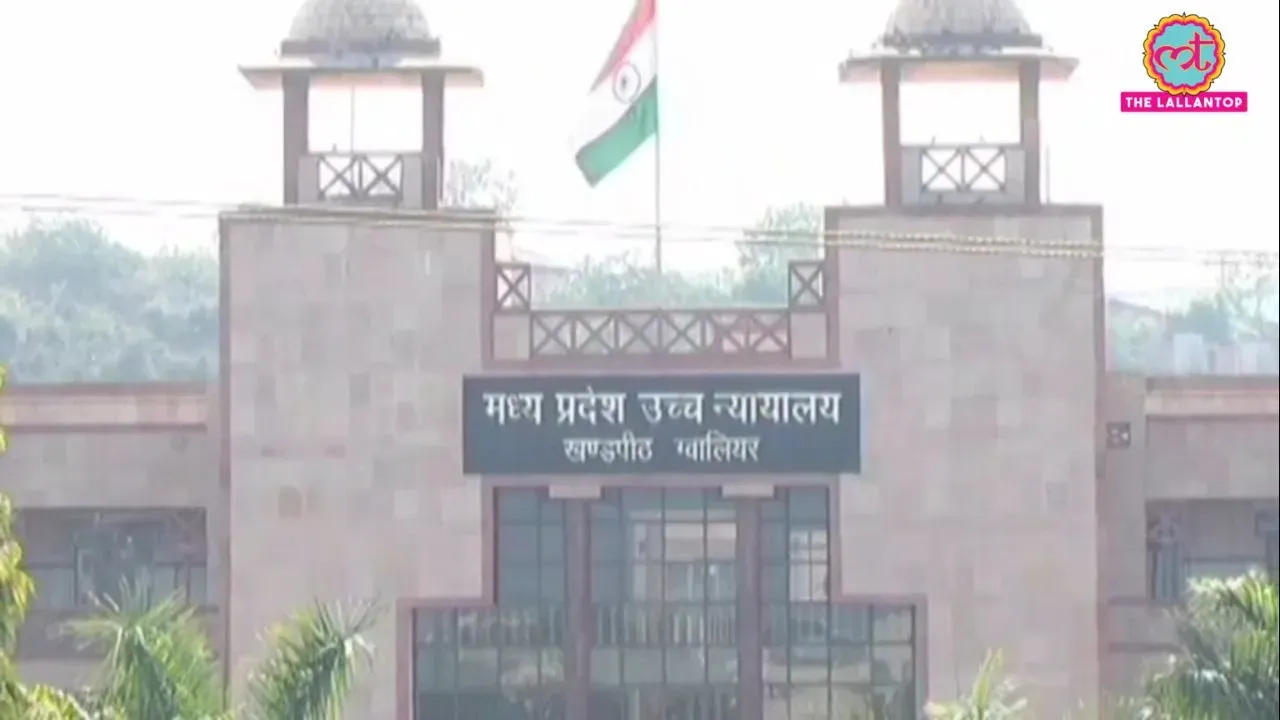
In a significant ruling emphasizing the autonomy of adult citizens, the Gwalior Bench of the Madhya Pradesh High Court has permitted a 19-year-old woman to live with her boyfriend, citing a profound lack of marital harmony and an incompatible age gap with her husband. The decision comes after the court evaluated the woman’s testimony and conducted legal counseling to ensure her choice was made of her own free will.
The case highlights the tension between traditional marital expectations and the legal rights of adults to determine their own living arrangements. At the center of the dispute was a 21-year age difference between the woman and her husband, Avadhesh, who is 40 years old. The court’s decision to grant her permission to enter a live-in relationship underscores a growing judicial trend in India toward prioritizing individual liberty over forced domesticity.
The legal proceedings were initiated when Avadhesh filed a Habeas Corpus petition with the Madhya Pradesh High Court, alleging that his wife had been illegally detained by a man named Anuj Kumar. A Habeas Corpus petition is a legal recourse used to bring a prisoner or detainee before the court to determine if the detention is lawful.
The Habeas Corpus Petition and Allegations of Detention
The conflict escalated when the husband, Avadhesh, sought the court’s intervention to recover his wife. In his petition, he claimed that the 19-year-old woman was being held against her will by Anuj Kumar. This legal mechanism is frequently used in cases where families suspect a relative has been abducted or coerced into leaving their home.
But, upon appearing before the Gwalior Bench, the woman categorically denied any illegal confinement. She informed the court that she was a legal adult and was residing with her partner of her own volition. She explicitly stated that she did not wish to return to her husband or reside with her parents, asserting her independence and her right to choose her own companion.
Autonomy and the 21-Year Age Gap
A primary factor in the woman’s plea was the significant age disparity in her marriage. She testified that the 21-year gap between her and her 40-year-old husband made it impossible to maintain marital harmony. Beyond the age difference, she alleged that she had faced mistreatment, which further solidified her resolve to leave the marriage.
The court focused on the woman’s legal status as a “balig” (adult), which grants her the right to make independent decisions regarding her personal life and relationships. By confirming that she was not under any illegal restraint, the court shifted the focus from the husband’s allegations of abduction to the woman’s right to self-determination.
Judicial Process: Counseling and Safety Measures
To ensure that the woman’s decision was not the result of coercion or external pressure, the Madhya Pradesh High Court directed a government lawyer to conduct counseling sessions with her. Despite the counseling, the woman remained steadfast in her desire to live in a live-in relationship with Anuj Kumar.

Recognizing the potential for conflict or retaliation following such a high-profile family dispute, the court did not simply release her without precautions. The ruling included the appointment of a monitoring arrangement to ensure her ongoing safety. This measure is designed to protect the woman from any potential harassment or harm as she transitions to her new living arrangement.
The decision reflects a rigorous application of the law, where the court balanced the husband’s petition with the woman’s verified testimony and the results of professional counseling. According to reports from local legal updates, the Gwalior Bench ultimately ruled in favor of the woman’s autonomy.
Key Legal Dimensions of the Case
| Detail | Information |
|---|---|
| Court | Madhya Pradesh High Court (Gwalior Bench) |
| Petitioner | Avadhesh (Husband, aged 40) |
| Respondent | 19-year-old woman |
| Key Legal Action | Habeas Corpus Petition |
| Court Ruling | Permission granted to live with boyfriend (Anuj Kumar) |
| Safety Measure | Appointment of a monitoring arrangement |
This case serves as a precedent for how Indian courts handle disputes involving adult women in restrictive marital environments. By dismissing the claims of illegal detention and upholding the woman’s right to choose her partner, the court reaffirmed that marital bonds cannot override the fundamental rights of an adult citizen.
The next phase of this matter involves the implementation of the court-ordered monitoring arrangement to ensure the woman’s safety and the adherence of all parties to the judicial order.
World Today Journal encourages readers to share their perspectives on the balance between marital obligations and individual autonomy in the comments below.