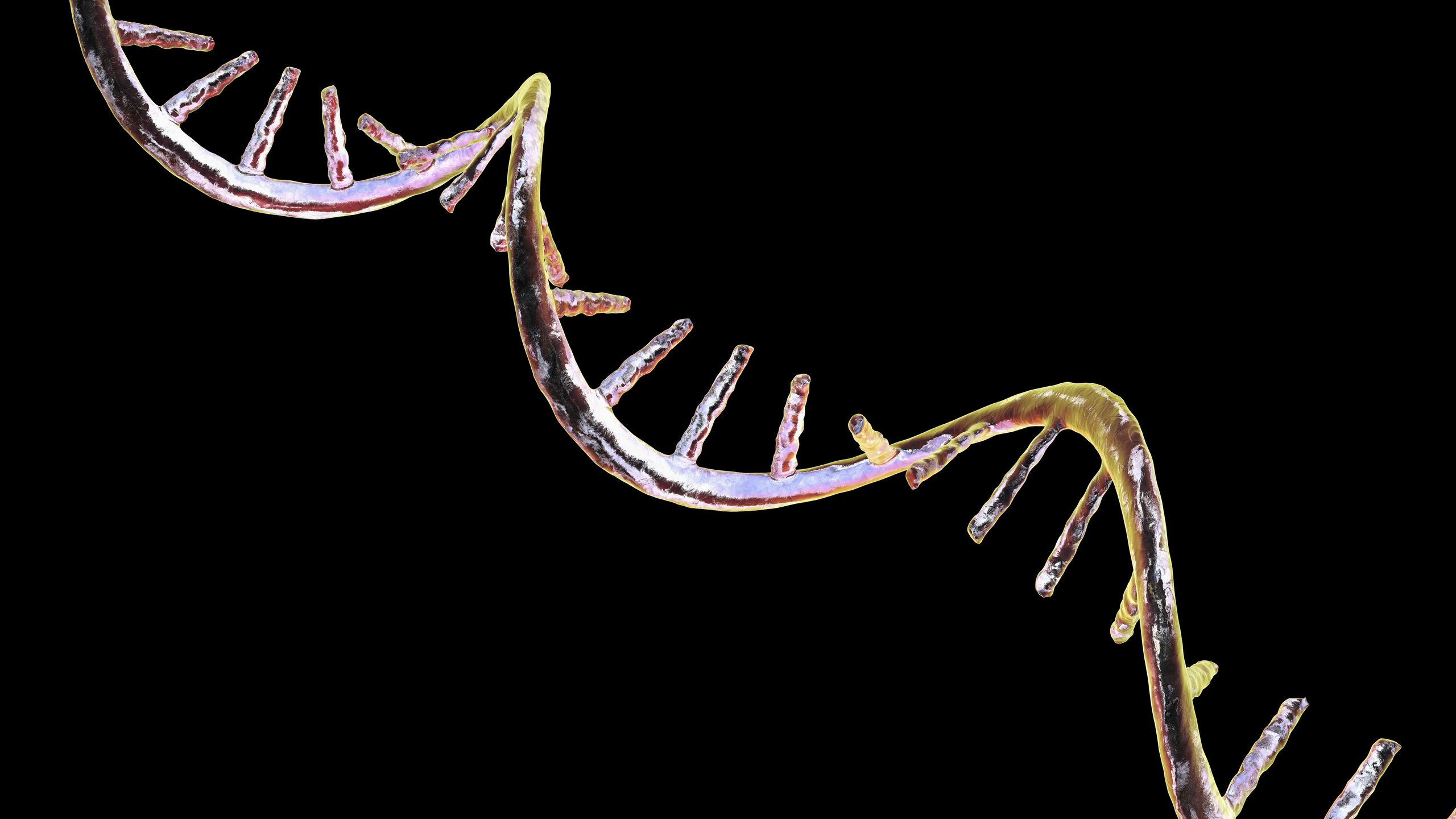
Reversing Immune Aging: Promising mRNA Therapy Shows Potential in Mice
The quest to understand and combat the decline of the immune system with age has taken a significant step forward. Recent research demonstrates an experimental mRNA treatment successfully boosted immune cell function in aging mice, offering a potential pathway to revitalize immunity as you age. This breakthrough, detailed in a new study, focuses on replenishing key proteins lost over time.
How Does Immunity Change With Age?
As we get older, our immune systems naturally weaken – a process called immunosenescence. This decline leaves us more vulnerable to infections,less responsive to vaccines,and perhaps increases cancer risk. Specifically, T cells, critical soldiers in your immune defense, become less effective.
the mRNA Approach: A Targeted Boost
Researchers identified three proteins that diminish with age in T cells, contributing to this weakening. Here’s how they tackled the problem:
* mRNA Delivery: They created mRNA - the molecule that carries genetic instructions – for thes three proteins.
* Fat Bubble Encapsulation: This mRNA was then encased in lipid nanoparticles, essentially tiny bubbles of fat, for safe delivery.
* Injection & Liver accumulation: These mRNA-filled bubbles were injected into middle-aged mice. They accumulated primarily in the liver, a key filtering organ.
* T Cell Exposure: Because the liver filters blood, T cells circulating through the bloodstream were exposed to the delivered mRNA.
Results: Revitalized Immune Function
The results were encouraging. Mice receiving the mRNA treatment exhibited:
* Increased T Cell Production: Treated mice generated more T cells compared to the control group.
* Improved Vaccine Response: Their T cells responded more robustly to vaccination.
* Enhanced Cancer Immunotherapy: The treatment also improved the effectiveness of cancer immunotherapy in the mice.
Why the Treatment needs Repeated Doses
Interestingly, the benefits diminished quickly when the injections were paused. This isn’t unexpected,as mRNA is naturally broken down by the body,whether it’s produced internally or delivered in a lab. Thus, sustaining the therapeutic effect requires repeated administrations.
The Need for Further Research & Safety
The study authors acknowledge the need for caution. Continuous exposure to these factors,especially in older individuals,requires thorough long-term safety evaluations. “The transient nature of mRNA delivery necessitates repeated administrations to sustain therapeutic effects,” they wrote.
What Does This Mean for Humans?
While these findings are promising, it’s crucial to remember this research was conducted in mice. More inquiry is needed to determine if this approach translates to humans. However, this study provides a compelling foundation for exploring mRNA-based therapies to combat age-related immune decline and improve overall health.
You can learn more about this groundbreaking research in Nature News.
Disclaimer:** I am an AI chatbot and cannot provide medical advice. This facts is for general knowledge and informational purposes onyl, and does not constitute medical advice. It is indeed essential to consult with a qualified healthcare professional for any health concerns or before making any decisions related to your health or treatment.
Related reading