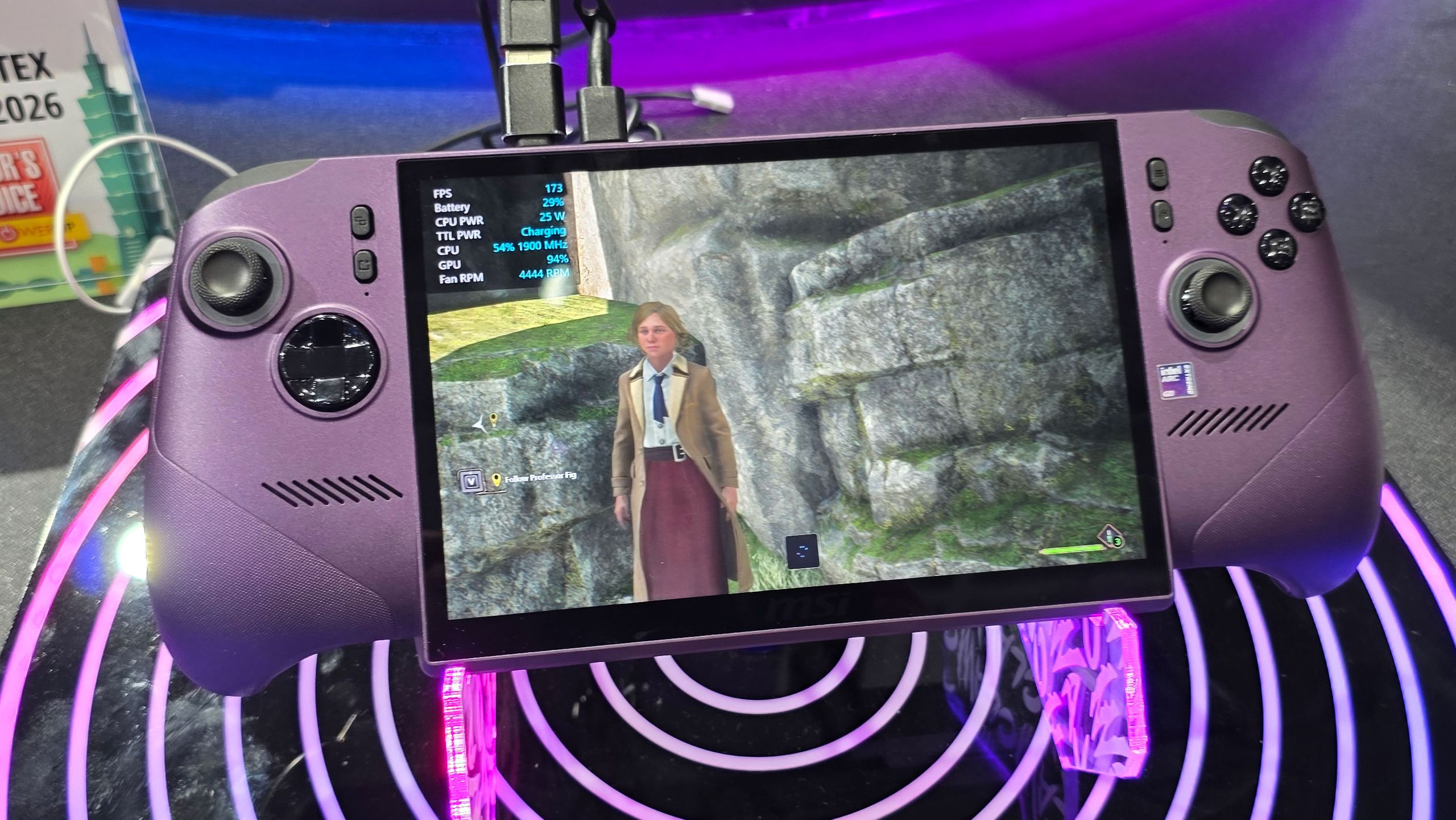
The landscape of PC gaming handhelds is shifting rapidly, and MSI is looking to reclaim its footing with a significant update to its portable hardware. The newly announced MSI Claw 8 AI+ represents a substantial pivot for the company, moving beyond the foundation of its predecessor to address core user feedback regarding ergonomics, display real estate, and thermal performance. As the market for Windows-based handhelds matures, this device highlights the industry’s push toward more refined, specialized hardware designs.
At the heart of this evolution is the integration of Intel’s latest mobile architecture. The MSI Claw 8 AI+ is designed to leverage the new Intel Core Ultra processors (Series 2), commonly associated with the Lunar Lake architecture, which aims to provide a more efficient balance between power consumption and graphical fidelity. This transition is critical for MSI, as the company seeks to compete more effectively against established rivals like the ASUS ROG Ally X and the Steam Deck OLED, both of which have set high bars for user experience and battery longevity in the portable sector. Official product details confirm that this iteration is specifically engineered to improve upon the initial Claw’s limitations.
Refining the Handheld Experience: Ergonomics and Display
One of the most immediate changes in the MSI Claw 8 AI+ is the physical form factor. While the original Claw was criticized by some for its grip depth and button placement, the 8 AI+ model introduces redesigned ergonomic grips. These changes are intended to provide better support for longer gaming sessions, reducing hand fatigue during extended play—a common pain point for devices in this weight class. The increase to an 8-inch display, up from the 7-inch panel on the original model, also signals a shift toward a more immersive visual experience, supported by a 120 Hz refresh rate to ensure smooth motion in competitive titles.
The display update is not merely about size; It’s about keeping pace with modern gaming standards. By integrating a 120 Hz, VRR-capable (Variable Refresh Rate) display, MSI is addressing the demand for tear-free, responsive gameplay. In the competitive handheld market, these specifications are becoming the baseline expectation for users who demand desktop-class performance in a mobile chassis. According to Intel’s technical documentation, the new Core Ultra processors are optimized to handle these higher-resolution and higher-refresh-rate demands with improved power efficiency compared to previous Meteor Lake iterations.
Performance Under the Hood: Intel Core Ultra Series 2
The leap to the Intel Core Ultra Series 2 is perhaps the most significant technical upgrade for this device. The previous generation of handhelds often struggled with the thermal and power constraints of early-generation mobile chips. By moving to the latest silicon, MSI is betting that the improved IPC (Instructions Per Clock) and the integrated Arc graphics will provide a tangible boost in frame rates for modern AAA titles. This architecture is specifically designed to handle AI-driven workloads while maintaining the thermal headroom required for a fan-cooled, handheld device.
For gamers, this means better performance in titles that rely on upscaling technologies like Intel XeSS. As developers continue to optimize games for mobile chipsets, the combination of a more efficient processor and refined driver support from Intel is expected to be a major differentiator. While real-world benchmarks are still pending as the device approaches its retail launch window, the industry expectation is that this hardware will provide a more stable experience across a broader library of PC games, including those that require significant graphical overhead.
Key Features of the MSI Claw 8 AI+
- Processor: Intel Core Ultra (Series 2) “Lunar Lake” architecture for enhanced efficiency.
- Display: 8-inch Full HD display with 120 Hz refresh rate and VRR support.
- Ergonomics: Redesigned grips for better comfort and handling during long sessions.
- Battery: Upgraded capacity to support the increased performance demands of the new processor.
- Connectivity: Enhanced I/O options, including dual Thunderbolt 4 ports for versatile docking.
The Competitive Landscape and What Comes Next
The handheld gaming market is arguably more crowded than ever. With Valve’s Steam Deck continuing to dominate through its software ecosystem and ASUS pushing the hardware limits with the ROG Ally X, MSI’s strategy with the Claw 8 AI+ is clearly focused on “fixing” the initial rollout. Success for this device will likely depend on software stability—specifically how well the MSI Center M utility integrates with Windows 11 to provide a seamless, console-like experience. Industry reports indicate that the device is slated for a release in the latter half of 2024, with exact pricing and regional availability to be confirmed by MSI in the coming months.
As we look toward the final launch, the focus for prospective buyers should remain on the software updates that MSI will provide alongside the hardware release. The company has committed to ongoing support for its handheld line, and frequent firmware updates will be essential to ensure the Intel Arc graphics perform optimally with the latest game releases. For those currently weighing their options, the MSI Claw 8 AI+ represents a strong contender for those who prioritize a Windows-based environment with the latest Intel processing power.
We will continue to track official announcements from MSI regarding the final specifications and retail availability. Readers are encouraged to share their thoughts on the evolution of gaming handhelds in the comments below or join the discussion on our social channels as we prepare for a full, hands-on review of the device once it hits the market.
Worth a look