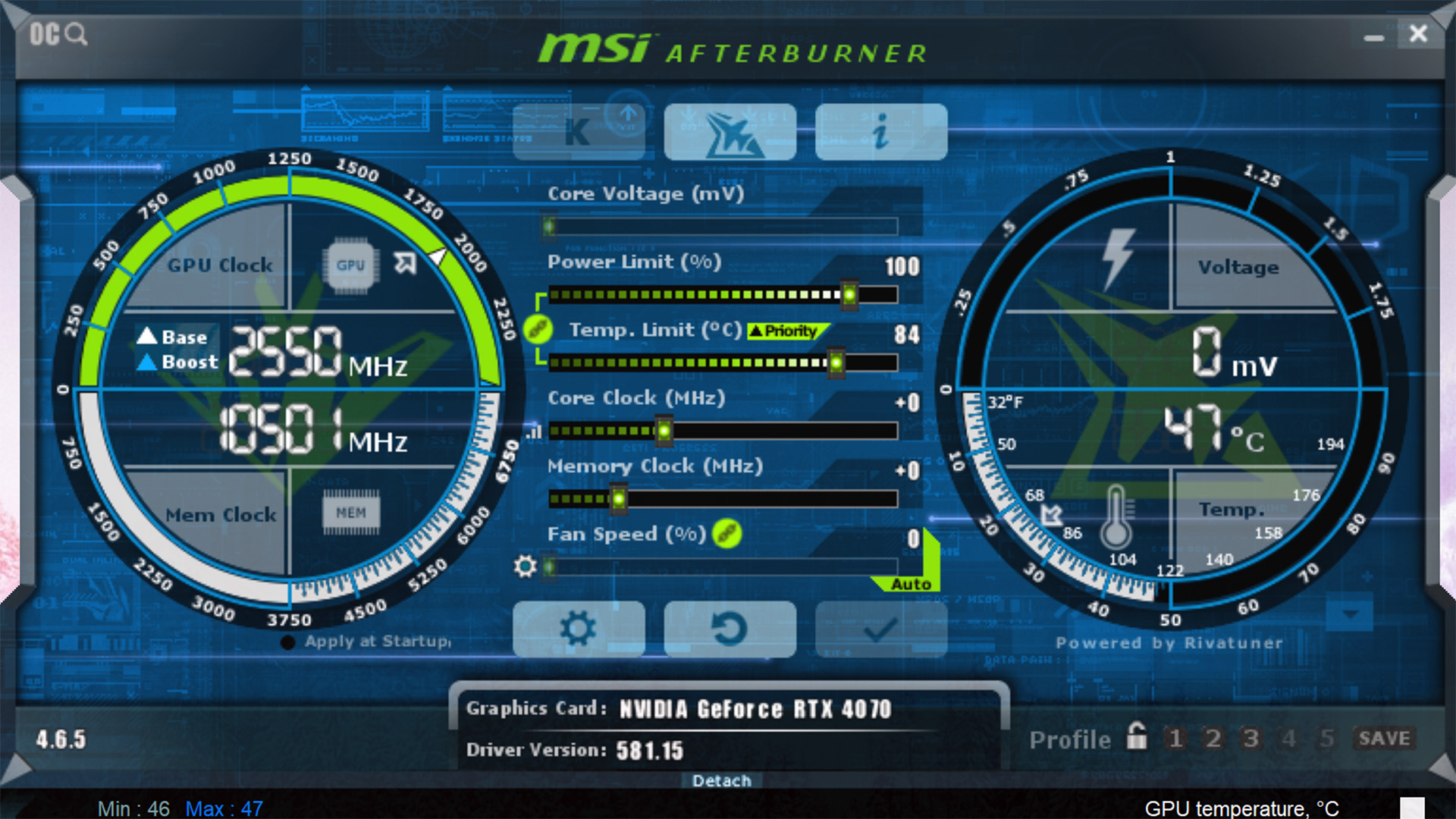
Unlocking Extreme Performance: MSI‘s New Triple-Channel Voltage Control for RTX 50 Series GPUs
For years, the pursuit of maximum performance from Nvidia graphics cards has been a delicate dance – a constant push against limitations imposed by voltage control restrictions. Now, MSI is poised to dramatically change that game with a groundbreaking new technology: triple-channel voltage control, debuting on future RTX 50 series graphics cards. as a veteran of the PC hardware scene,I’ve seen countless overclocking attempts hampered by these very limitations,and this development feels like a genuine leap forward.
The Bottleneck: Why Voltage Control matters
Before diving into the specifics, let’s understand why voltage control is so crucial. Modern GPUs aren’t static entities. They dynamically adjust voltage and clock speeds to balance performance and power consumption. Overclocking, at its core, is about carefully increasing these parameters to extract more performance. however, Nvidia’s default voltage controls, found on Founders Edition cards and many third-party models, have historically been restrictive.
Typically, core voltage control is limited to a mere 20mV offset, and crucially, access to memory and auxiliary voltage control is completely blocked. This severely limits the potential for serious overclocking, forcing enthusiasts to rely on increasingly complex and often risky modifications.
MSI’s solution: Triple-Channel Control & The I2C Challenge
MSI’s new triple-channel voltage control addresses these limitations head-on,offering granular control over core,memory,and auxiliary voltages. This is a significant upgrade, allowing for a far more nuanced and effective overclocking experience. The potential gains are particularly exciting when considering modern Nvidia GPUs can be heavily memory-bound - meaning performance is often limited by the speed of the memory, not the GPU core itself. Being able to directly manipulate memory voltage, and boost the voltage of Blackwell’s GDDR7 memory modules, opens up a whole new dimension of performance optimization.
However, implementing this wasn’t straightforward. MSI engineer, Kenneth Nicolaychuk, highlights a key obstacle: Nvidia’s reference designs. RTX 50 series cards adhering to Nvidia’s standard blueprint effectively “blacklist” I2C devices at the driver level. This makes the voltage controllers invisible to software attempting to access them via the I2C bus – the communication pathway used for this level of control.
This means, frustratingly, that this technology is initially limited to MSI RTX 50 series cards that don’t follow Nvidia’s reference design. It also means retrofitting this capability onto existing cards isn’t feasible.
Beyond MSI: A Glimmer of Hope for future GPUs
while the initial rollout is exclusive to MSI, the door isn’t entirely closed for other manufacturers.Nicolaychuk clarifies that future GPUs, beyond supported MSI models, could benefit from triple-channel voltage control, provided they deviate from Nvidia’s reference design and incorporate modified software to access the I2C bus.
Expect to see this technology primarily on cards geared towards extreme overclocking – the enthusiast segment that will truly appreciate the level of control it provides.These won’t be your average, off-the-shelf GPUs.
What About Core Voltage? A Nuance to Consider
The improved 100mV offset range for core voltage is promising, but it’s not a magic bullet. Nvidia’s latest voltage offset implementation limits users to the maximum voltage the GPU is allowed to pull at stock speeds. essentially, it focuses on boosting voltage earlier in the GPU’s boosting table, rather than allowing for a substantial overall voltage increase. While beneficial, don’t expect a dramatic overhaul of the core voltage offset slider’s functionality.
The Future of Overclocking: Beyond Extreme Cooling & Modified Firmware
For years, pushing Nvidia GPUs to their absolute limits has required increasingly extreme measures: exotic cooling solutions (think liquid nitrogen and sub-ambient cooling) and modified firmware to bypass power limits. These methods are complex, expensive, and carry inherent risks.
MSI’s triple-channel voltage control offers a more accessible and controlled path to unlocking significant performance gains. It doesn’t eliminate the need for robust cooling, but it reduces the reliance on risky modifications.
The Bottom Line: A Game Changer for Enthusiasts
MSI’s new technology represents a significant step forward for GPU overclocking. By providing granular control over core, memory, and auxiliary voltages, it empowers enthusiasts to extract more performance from their RTX 50 series graphics cards than ever before.While initially limited