

Democratic lawmakers offered unexpected praise for Department of Homeland Security (DHS) Secretary Alejandro Mayorkas during recent congressional oversight hearings, even as tensions flared between other committee members. The bipartisan acknowledgment of the Secretary’s efforts occurred against a backdrop of intense, often combative, questioning regarding border security policies and the administration’s handling of immigration, according to official congressional hearing records.
The rare commendation highlights a growing divide in how different factions of the Democratic Party engage with the current administration’s border strategy. While some members criticized the operational outcomes at the southern border, others explicitly defended the Secretary’s commitment to institutional processes and his transparency with Congress. This split reflects a broader legislative struggle to balance security concerns with humanitarian obligations under current U.S. immigration statutes.
Legislative Tensions and Rare Commendation
The hearing was marked by a sharp contrast in tone. While some Republican members focused on aggressive questioning of the Secretary, several Democrats used their allotted time to praise his cooperation with oversight committees. This divergence in approach underscores the political pressure surrounding the Department of Homeland Security, which manages a budget of over $60 billion annually, as confirmed by Department of Homeland Security fiscal projections.

During the session, the atmosphere grew particularly volatile during exchanges involving Representative Markwayne Mullin and other committee members. The heated nature of these confrontations often overshadowed the policy discussions, leading to interruptions and procedural disputes. Such exchanges are increasingly common in high-stakes oversight hearings, which serve as the primary mechanism for Congress to exercise its authority over executive branch agencies under Article I of the U.S. Constitution.
The Core of the Immigration Debate
The primary point of contention remains the administration’s management of asylum claims and the processing of migrants at the U.S.-Mexico border. According to U.S. Customs and Border Protection data, encounter numbers have fluctuated significantly over the past two fiscal years, driving the urgency behind these legislative oversight sessions. The debate often centers on whether existing resources are being deployed effectively or if legislative changes are required to address systemic capacity issues.
Democrats who offered praise for the Secretary pointed to his consistent appearance before committees, noting that he has testified more frequently than many of his predecessors. This argument is often used to counter Republican claims that the department is being run with insufficient transparency. The disagreement over the Secretary’s performance is not merely partisan; it reflects deep-seated policy differences regarding the interpretation of the Immigration and Nationality Act.
Looking Toward Future Oversight
The next phase of oversight will likely focus on the department’s budget requests for the upcoming fiscal year. Members of the House Committee on Homeland Security are expected to continue their investigation into operational failures and policy successes, with additional hearings scheduled throughout the current session. Interested observers can track official updates, witness testimony, and transcribed records via the House Committee on Homeland Security portal.
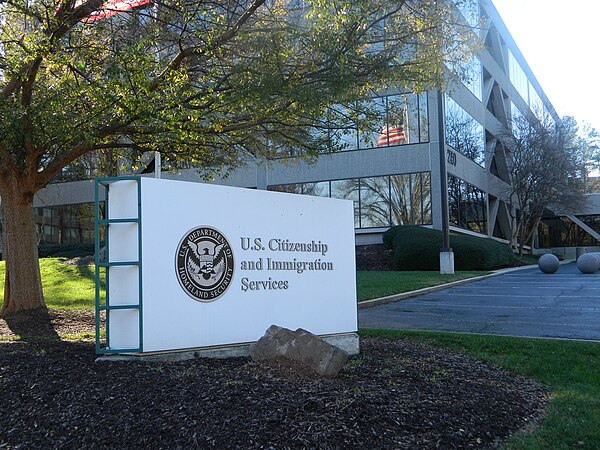
The ongoing scrutiny of the DHS reflects the broader challenge of managing a complex, multi-agency department during a period of high migration volume. As the legislative calendar progresses, the ability of the Secretary to maintain support from moderate members of both parties may prove critical to securing necessary funding and policy adjustments. Readers are encouraged to monitor future committee filings for updates on these proceedings and share their thoughts on the evolving legislative approach to border security.