
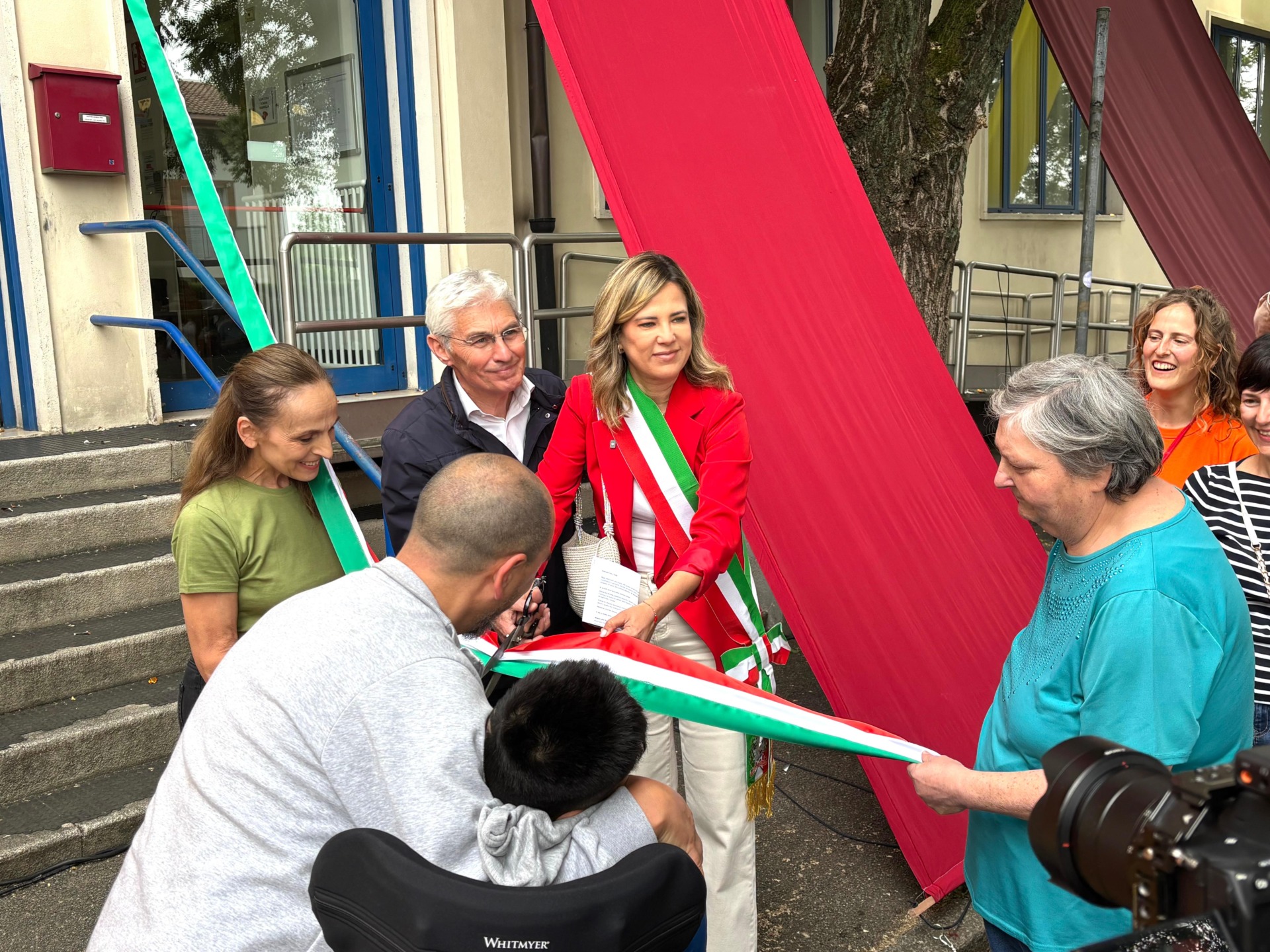
The completion of a specialized day center on Via Pizzo della Presolana marks a significant milestone in the regional effort to expand accessible, community-based care for individuals requiring long-term rehabilitation. After more than a year of extensive renovations and structural upgrades, the facility is now ready to welcome patients, offering a modernized environment designed specifically for socio-rehabilitation and educational growth.
For the community in Albino and the surrounding Bergamo region, the opening of the Pizzo della Presolana day center is more than just the unveiling of a renovated building; it represents a shift toward a more integrated model of mental health and social support. By moving away from isolated clinical settings and toward “day center” models, healthcare providers can better facilitate the transition from acute treatment to independent living.
As a physician and health journalist, I have seen how the physical environment of a clinic can either hinder or accelerate a patient’s recovery. The transition of this facility into a dedicated space for socio-rehabilitation suggests a commitment to the “biopsychosocial” model of health—recognizing that medical treatment alone is rarely sufficient for those dealing with complex psychiatric or cognitive disabilities. True recovery requires a blend of clinical intervention, social interaction, and educational stimulation.
A New Era for Socio-Rehabilitation in Albino
The facility on Via Pizzo della Presolana is designed to serve as a hub for “socio-rehabilitation,” a term that distinguishes itself from purely medical rehabilitation. While traditional rehabilitation focuses on restoring a specific physical or cognitive function, socio-rehabilitation aims to restore the individual’s ability to function within their society. This includes developing interpersonal skills, managing daily living activities, and fostering a sense of agency and autonomy.
The renovation process, which spanned over a year, focused on creating spaces that are both therapeutic and functional. In modern rehabilitative architecture, the goal is to reduce the “institutional” feel of the center—minimizing sterile corridors and maximizing natural light and flexible communal areas. This environment is critical for patients who may struggle with anxiety or sensory overload, providing a safe harbor where they can practice social interactions before applying them in the wider community.
By providing these services locally, the center reduces the burden on families and patients who would otherwise have to travel to larger urban centers for specialized care. This proximity is essential for the success of socio-rehabilitative programs, as the ultimate goal is to integrate the patient back into their own immediate social fabric, utilizing local resources and support networks.
The Power of a Multidisciplinary Approach
One of the most critical components of the center’s operational strategy is the reliance on a multidisciplinary healthcare team. The “équipe educativo-sanitaria”—a blended team of educational and health professionals—ensures that the patient is not viewed through a single diagnostic lens, but as a whole person with diverse needs.
In a multidisciplinary framework, the care plan is not dictated solely by a physician. Instead, We see a collaborative effort involving several key roles:
- Medical Doctors and Psychiatrists: Managing pharmacological treatments and monitoring clinical stability.
- Psychologists: Providing cognitive-behavioral support and emotional regulation strategies.
- Educators and Social Workers: Designing activities that teach practical life skills and navigating the social hurdles of community reintegration.
- Therapists: Implementing physical or occupational therapies to improve motor skills or daily functioning.
This collaborative approach prevents the “siloing” of care. When an educator notices a patient is struggling with a specific social interaction, they can immediately communicate this to the psychologist or physician to determine if it is a behavioral hurdle or a symptom of a clinical shift. This real-time synchronization of care significantly improves patient outcomes and reduces the risk of relapse.
Bridging the Gap Between Clinical Care and Community Integration
The activities hosted at the Via Pizzo della Presolana center are designed to be “educational” in the broadest sense. This does not necessarily mean classroom learning, but rather experiential learning. Educational activities in a socio-rehabilitative context might include everything from cooperative gardening and art therapy to workshops on financial literacy or public transportation use.
These activities serve as a bridge. For many patients, the leap from a hospital ward to a full-time job or independent apartment is too great. The day center acts as a “middle ground,” providing a structured environment where the stakes are low, but the skills being learned are high. This gradual exposure to social demands helps rebuild the confidence of the individual, which is often the most fragile part of the recovery process.
the center’s presence in the community helps combat the stigma associated with psychiatric and cognitive disabilities. When such facilities are integrated into the local geography—rather than hidden away in remote medical campuses—it encourages a more inclusive community dialogue. It transforms the patient from a “case to be treated” into a “neighbor to be supported.”
Key Takeaways for Patients and Families
- Integrated Care: The center combines medical treatment with social and educational support, ensuring a holistic approach to recovery.
- Community Focus: Located on Via Pizzo della Presolana, the facility prioritizes local access to reduce patient stress and improve family involvement.
- Collaborative Expertise: A multidisciplinary team ensures that care plans are flexible and responsive to both clinical and social needs.
- Goal-Oriented Recovery: The primary objective is socio-rehabilitation, focusing on autonomy and the ability to reintegrate into society.
What This Means for the Future of Local Healthcare
The readiness of the Via Pizzo della Presolana center reflects a broader trend in European healthcare policy: the decentralization of care. By investing in smaller, specialized day centers, health authorities can provide more personalized attention while lowering the overhead costs associated with long-term hospitalization.

For the residents of Albino, this facility represents a vital safety net. It ensures that those who have moved past the acute phase of their illness do not fall into a “care gap,” where they are too healthy for a hospital but too fragile for unsupported independent living. The center fills this void, providing the necessary scaffolding for long-term stability.
As the center begins its full operations, the focus will likely shift toward measuring the impact of these multidisciplinary interventions. Success will not be measured merely by the absence of symptoms, but by the number of patients who regain the ability to participate in community life, maintain relationships, and achieve a degree of self-sufficiency.
For those seeking more information on admission criteria or the specific services offered at the center, it is recommended to contact the local health authority (ASST) or the municipal social services office of Albino. Official guidelines and application forms for socio-rehabilitative services are typically managed through these administrative channels.
The next official update regarding the center’s capacity and the rollout of specific educational programs is expected to be released via local health authority bulletins in the coming months.
Do you have experience with community-based rehabilitation or thoughts on the multidisciplinary model of care? We invite you to share your perspectives in the comments below or share this article with others who may benefit from these services.