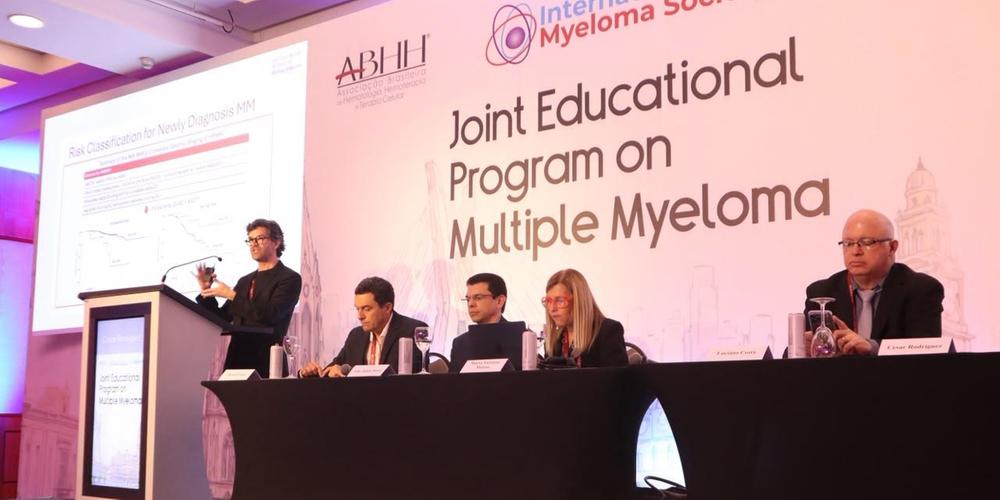
Recent advancements in multiple myeloma treatment are significantly improving patient outcomes, allowing individuals to maintain a better quality of life following a diagnosis of this complex blood cancer. According to medical experts and oncology reports, novel therapeutic options—including targeted therapies, immunotherapies, and advanced combination regimens—have transformed the clinical landscape over the past decade, shifting the paradigm from basic disease control to sustained remission and enhanced daily functioning.
Multiple myeloma is a malignancy of plasma cells, a type of white blood cell found in the bone marrow that produces antibodies. When these cells turn cancerous, they multiply uncontrollably, crowding out healthy blood cells and producing abnormal proteins that can damage bones and kidneys. While the condition remains challenging to cure, contemporary clinical protocols focus on subduing the abnormal clone cells while preserving organ function, minimizing treatment side effects, and supporting overall patient well-being.
The integration of modern diagnostic tools and personalized treatment plans has allowed hematologists to tailor interventions more precisely than ever before. For patients and healthcare providers navigating this diagnosis, understanding these therapeutic milestones is essential for setting realistic expectations and exploring every available avenue of specialized care.
Evolution of Therapy and Enhanced Patient Well-Being
The therapeutic arsenal for multiple myeloma has expanded markedly beyond traditional chemotherapy. Modern regimens frequently incorporate proteasome inhibitors, immunomodulatory drugs, and monoclonal antibodies, which target cancer cells with greater precision while sparing healthy tissue. Clinical data published by medical research organizations indicate that these innovations have substantially extended progression-free survival rates.
Managing symptoms such as bone pain, fatigue, and renal impairment is now a central component of comprehensive cancer care. Supportive therapies, including bone-strengthening agents and advanced pain management protocols, work alongside anti-myeloma treatments to preserve mobility and independence. This dual focus on eradicating malignant cells and protecting physical stamina allows many patients to continue working, traveling, and maintaining active personal lives during and after treatment cycles.
Furthermore, autologous stem cell transplantation remains a cornerstone of care for eligible individuals, often performed following initial induction therapy to achieve deeper remissions. Clinical trials continue to investigate maintenance therapies that follow transplantation, helping to suppress residual disease activity over longer periods.
Accessing Specialized Care and Staying Informed
Navigating a multiple myeloma diagnosis requires close collaboration with a multidisciplinary healthcare team, typically led by a hematologist-oncologist specializing in plasma cell disorders. Patients are encouraged to seek second opinions at comprehensive cancer centers where clinical trials and cutting-edge therapies are readily accessible.
Medical societies and patient advocacy networks provide vital educational resources, helping individuals understand complex treatment schedules, potential side effects, and financial assistance programs. Engaging with certified support groups also offers practical advice and emotional solidarity for patients and their families coping with the demands of long-term chronic illness management.
As ongoing clinical research evaluates new chimeric antigen receptor (CAR) T-cell therapies and bispecific antibodies, the future of multiple myeloma care points toward even higher precision and reduced toxicity. Patients and caregivers should consult with their primary oncology teams to review the latest approved protocols and determine the most appropriate individualized treatment pathway.
Keep reading