
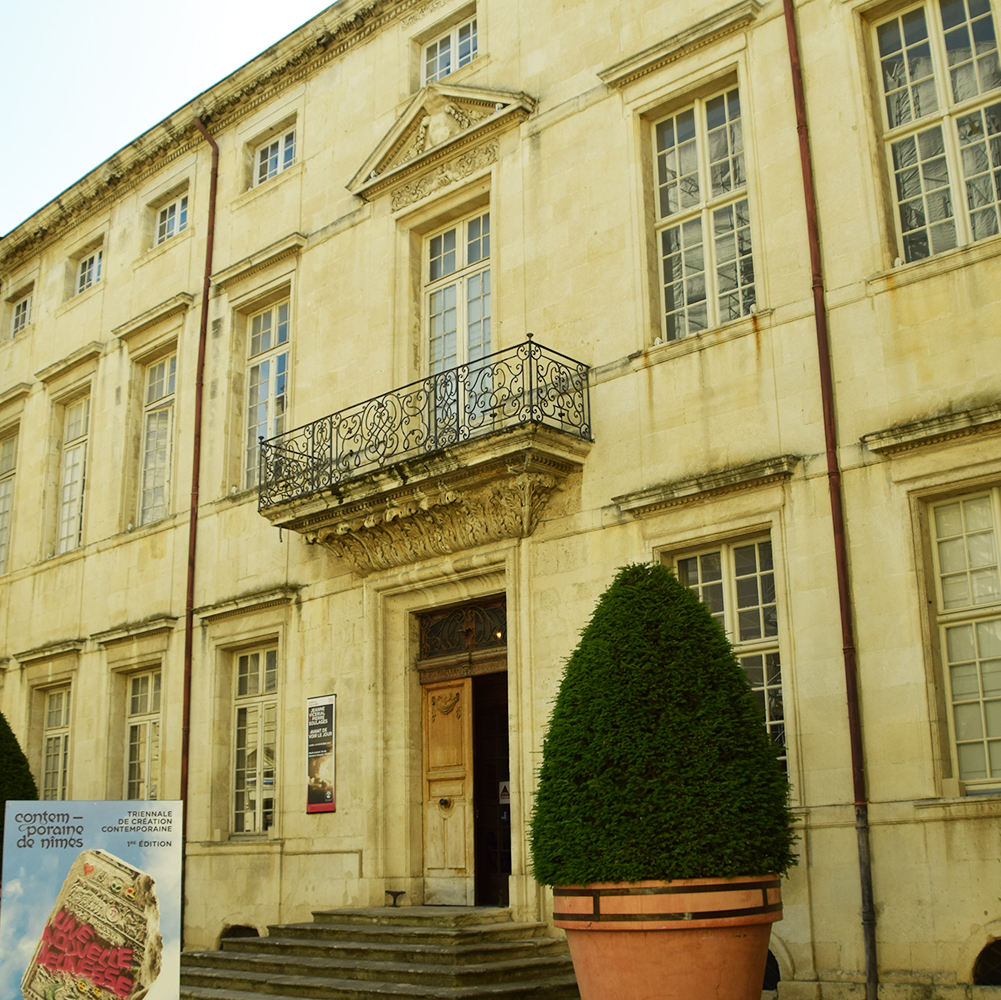
In the heart of Nîmes, a city where Roman history meets Provençal charm, a unique sensory journey awaits adults seeking to explore the region’s cultural tapestry through taste and tradition. The Musée du Vieux Nîmes, housed in the former 17th-century Episcopal palace, offers an immersive experience titled “Visite gustative : D’eau & de vins” — a guided tasting visit that blends local history with the flavors of the Gard region. This multisensory adventure invites visitors to discover how water, wine, and daily life have shaped Nîmes across centuries, all within the intimate setting of reconstructed bourgeois interiors from the 18th and 19th centuries.
The program, developed in partnership with local producers from the Costières de Nîmes appellation, goes beyond standard museum tours by engaging smell, taste, and touch alongside visual exhibits. Participants sample regional products although learning about the historical significance of Nîmes’ textile industry, its famous denim fabric — originally called “serge de Nîmes” — and the evolution of domestic life in the Gard. The museum’s collections, which span from the Middle Ages to the present day, include ceramics, furniture, paintings, and popular objects that dialogue with the textile heritage that brought renown to the city. These elements are woven into the tasting experience to create a holistic portrait of local identity.
According to the museum’s official programming, the visit is designed for adult audiences and takes place throughout the year, offering a convivial way to engage with Nîmes’ past. The experience typically includes guided walks through period rooms, where interpreters discuss how access to water sources influenced urban development and how viticulture became embedded in the local economy. Visitors encounter reconstructed kitchens and dining areas that illustrate changing habits over time, providing context for the flavors they sample. The museum emphasizes that such activities are part of its broader mission to make heritage accessible through innovative, educational programming for families, adolescents, and adults alike.
The Costières de Nîmes wine region, located just south of the city, plays a central role in the tasting component. Known for its robust reds, rosés, and whites produced under strict AOC guidelines, the area benefits from a Mediterranean climate and distinctive gravelly soils known as “grès.” Vineyards in this zone have cultivated grape varieties such as Syrah, Grenache, and Mourvèdre for generations, contributing to both the local economy and cultural identity. The partnership between the Musée du Vieux Nîmes and regional vintners reflects a growing trend among French cultural institutions to collaborate with agricultural producers in order to deepen public understanding of terroir.
Water, the other half of the experience’s title, holds deep historical significance in Nîmes. The city is renowned for its Roman engineering feats, particularly the Pont du Gard aqueduct, which once transported water over 50 kilometers to supply the ancient settlement of Nemausus. Though the tasting visit focuses more on domestic and social history than on monumental architecture, the legacy of water management remains a subtle thread — influencing everything from textile production (which required vast amounts of water for dyeing and washing) to daily household routines. The museum’s exhibits on Nîmes’ development highlight how access to reliable water sources shaped the city’s growth from medieval times through the industrial era.
Each session of the “Visite gustative” is limited in size to ensure an intimate, interactive atmosphere, allowing participants to ask questions and engage directly with facilitators. While specific schedules and pricing may vary, the museum generally operates year-round, with standard opening hours from 10 a.m. To 6 p.m. Daily (closed Mondays), and extended weekend hours until 6:30 p.m. On Saturdays and Sundays. Admission fees for the museum itself are €5 for full price and €3 for reduced rates, though special experiences like the tasting visit may carry additional costs. Visitors are encouraged to consult the official Ville de Nîmes website or contact the museum directly for the most current information on reservations, availability, and any seasonal variations in programming.
The experience appeals not only to tourists but also to local residents interested in reconnecting with their regional heritage. By anchoring historical narratives in sensory engagement — the scent of oak-aged wine, the crispness of local water, the texture of period fabrics — the Musée du Vieux Nîmes transforms abstract history into something tangible and memorable. This approach aligns with contemporary museum practices that prioritize experiential learning, particularly for adult audiences seeking meaningful cultural encounters beyond passive observation.
As interest grows in sustainable tourism and authentic local experiences, initiatives like this one demonstrate how cultural institutions can serve as bridges between past and present. The collaboration between a municipal museum and regional agricultural producers exemplifies a model where heritage preservation supports living traditions — in this case, winemaking and artisanal craftsmanship — while educating the public about the interconnectedness of environment, economy, and daily life. Such efforts help ensure that the stories of Nîmes are not only preserved but also actively lived and tasted by new generations.
For those planning a visit, the Musée du Vieux Nîmes remains open throughout the year, with closures only on January 1, May 1, November 1, and December 25. The museum’s location at Place Mère Teresa in the historic center makes it easily accessible on foot from other landmarks in Nîmes, including the Arena of Nîmes and the Maison Carrée. Whether drawn by history, gastronomy, or simply the desire to unhurried down and savor a place more deeply, participants in the “Visite gustative : D’eau & de vins” leave with a richer understanding of what makes this corner of southern France distinctive.
To stay informed about upcoming sessions, special events, or changes to the museum’s offerings, visitors should refer to the official communications from the Ville de Nîmes or the museum’s dedicated cultural programming portal. These channels provide the most accurate and up-to-date details regarding schedules, language options, and any health or safety guidelines that may be in effect.
Have you experienced a sensory visit at a museum that changed the way you see a place? Share your story in the comments below — and if you found this glimpse into Nîmes’ unique approach to heritage engaging, consider sharing it with others who appreciate travel that tastes as much as it teaches.