
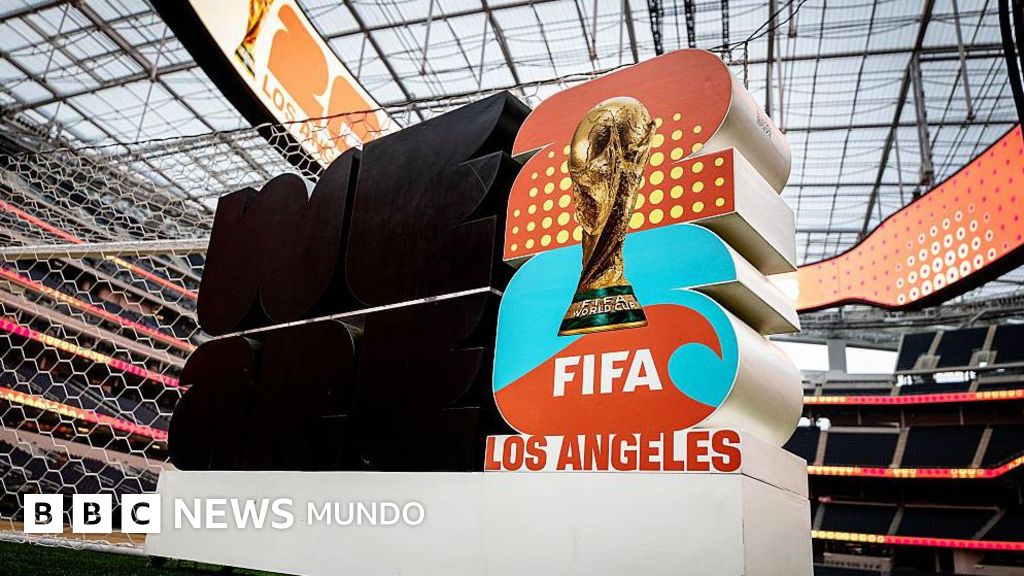
Mundial 2026: Why U.S. Hotels Are Struggling Despite Record Ticket Sales
Lisbon, Portugal — With less than two months until the FIFA World Cup 2026 kicks off across North America, the tourism boom many U.S. Cities had anticipated appears to be stalling. A new report from the American Hotel & Lodging Association (AHLA) reveals that 80% of hotels in host cities are seeing reservation rates significantly below projections, despite the sale of over 5 million tickets—a record for a single World Cup edition. Industry experts attribute the shortfall to a mix of visa challenges, soaring ticket prices, and broader geopolitical concerns that have dampened international travel enthusiasm.
The discrepancy between ticket sales and hotel bookings underscores a growing concern: while fans are eager to attend matches, the logistical and financial hurdles of traveling to the U.S. For the tournament are proving far greater than organizers anticipated. For cities like Dallas, Houston, and Los Angeles—key hubs for the competition—this could mean a missed economic opportunity worth hundreds of millions in lost revenue, according to preliminary estimates from the AHLA.
As the first World Cup ever held across three countries (the U.S., Canada, and Mexico), the event was expected to draw record crowds. Yet the data tells a different story: domestic travelers are outpacing international visitors by a ratio of nearly 3-to-1, a trend that threatens the broader economic impact the tournament was designed to deliver. “The demand just isn’t translating,” said an AHLA spokesperson in a statement released May 4. “We’re seeing a situation where the hype hasn’t matched the actual booking behavior.”
— AHLA spokesperson, May 4 report
Key Factors Behind the Hotel Reservation Shortfall
The AHLA report identifies four primary reasons for the underperformance:

- Visa barriers: Complex and delayed visa processing for international fans—particularly from Latin America, Europe, and Asia—have created significant friction. The U.S. State Department’s recent adjustments to visa policies for World Cup attendees have not kept pace with demand, leaving many would-be travelers stranded.
- Ticket prices: Average ticket costs have risen by 40% compared to 2022, according to FIFA’s official pricing data, pricing out middle-income fans and smaller travel groups. A standard match ticket now averages over $300, with premium seats exceeding $1,000.
- Geopolitical concerns: Ongoing tensions in global hotspots—from the Red Sea shipping disruptions to regional conflicts—have led many travelers to reconsider non-essential international trips.
- Overblocking by FIFA: The organizing committee reserved massive hotel blocks in cities like Boston, Dallas, and Los Angeles, only to cancel over half of them in recent months due to weak demand. This has left many properties with excess capacity and lower revenue per room.
What the numbers say: In Texas alone—home to three host cities (Dallas, Houston, and Atlanta)—70% of hotels reported booking rates at or below seasonal norms, with only a slight uptick attributed to World Cup-related travel. The AHLA’s data shows that even in cities like Arlington (home to AT&T Stadium, a primary venue), occupancy rates remain 15–20% below projections for the tournament period.
“The initial enthusiasm hasn’t converted into actual travel plans. We’re seeing a scenario where fans want to go, but the practicalities of getting there are holding them back.”
Economic Impact: A Missed Opportunity for Host Cities
The World Cup was expected to inject $4.4 billion into the U.S. Economy, according to a 2023 study by Oxford Economics. However, with hotel reservations lagging, that figure could shrink significantly. Cities like Los Angeles and New York—originally considered secondary markets—are now seeing hotel occupancy rates 10–15% lower than during the 2014 Brazil World Cup, despite having far more infrastructure in place.

For smaller cities like Kansas City and Seattle, the financial stakes are even higher. Local governments had budgeted for increased tax revenue from tourism, but with fewer visitors, some are now facing shortfalls in their 2026 fiscal plans. “This isn’t just about lost hotel bookings—it’s about the ripple effect on restaurants, transport, and local businesses,” said a spokesperson for the Seattle Hotel Association.
What Happens Next? The Road Ahead for World Cup Travel
With the tournament set to begin on June 11, 2026, organizers are scrambling to address the shortfall. FIFA has launched a last-minute campaign to incentivize travel, including:
- Extended visa processing windows for fans from high-demand countries.
- Discounted group travel packages for fans attending multiple matches.
- Partnerships with airlines to offer “World Cup travel passes” with bundled fares.
However, industry insiders remain skeptical that these measures will reverse the trend. “The damage is done,” said one Dallas hotelier. “People have made their plans, and if they haven’t booked by now, they’re not coming.”
The next critical checkpoint will be the FIFA Fan Festival kickoff on May 25, where organizers will release updated attendance projections. Meanwhile, U.S. Customs and Border Protection has confirmed it will maintain extended processing hours at key entry points (including Los Angeles, Miami, and New York) to handle the influx of visitors.
What This Means for Fans
- Book now: With limited availability, hotels in host cities are filling rapidly. Many properties now require a $200+ deposit to secure reservations.
- Visa applications: Fans should apply at least 90 days in advance—processing times have doubled since January.
- Transportation: Amtrak and regional transit authorities are urging fans to purchase tickets in advance to avoid last-minute surges.
Beyond the Headlines: The Broader Implications
This year’s World Cup reservation shortfall raises larger questions about the future of global sports tourism. As visa policies tighten and ticket prices rise, will mega-events like the Olympics and World Cup become increasingly exclusive? Experts warn that without reforms, the economic benefits of such tournaments could dwindle, leaving host cities with underutilized infrastructure and unmet revenue expectations.
For now, the focus remains on June 2026. Whether the tournament will deliver the promised economic windfall—or become a cautionary tale about overoptimistic projections—will become clear in the coming weeks.
Key Takeaways
- 80% of U.S. World Cup host hotels are underperforming on reservations, per AHLA data.
- Visa delays and high ticket prices are the top reasons for low bookings.
- Domestic fans now outnumber international visitors 3-to-1, reversing earlier expectations.
- Over $4 billion in projected economic impact may be at risk due to weak hotel demand.
- FIFA and local governments are scrambling to incentivize last-minute travel.
What do you think? Will the World Cup still be a success despite the hotel shortfall? Share your thoughts in the comments below—or tag us on Twitter with your travel plans.
Next update: FIFA’s official attendance report, scheduled for release May 25, 2026.