
A Swiss municipal president is currently under public scrutiny following reports that she awarded municipal construction contracts to a firm owned by her husband. The situation, which has sparked local debate regarding potential conflicts of interest and the transparency of public procurement, centers on administrative decisions made within the municipality.
According to reports verified through local administrative disclosures, the municipal leader authorized contracts for infrastructure projects that were subsequently executed by her spouse’s construction business. Under Swiss municipal law, public officials are generally required to recuse themselves from decision-making processes where a conflict of interest—or the appearance thereof—might influence the allocation of taxpayer funds. The Swiss Federal Chancellery maintains that transparency and the prevention of corruption are foundational to the integrity of local government, requiring strict adherence to procurement regulations.
Regulatory Framework for Public Procurement
The core of the controversy involves whether the bidding process for these municipal contracts met the transparency standards mandated by regional and federal law. In Switzerland, public procurement is governed by the Federal Act on Public Procurement (PPA), which dictates that contracts must be awarded based on objective criteria, such as cost, quality, and technical expertise, rather than personal relationships. When a municipal official holds authority over the awarding body, the burden of proof lies with the administration to demonstrate that the selection process was independent and free from favoritism.
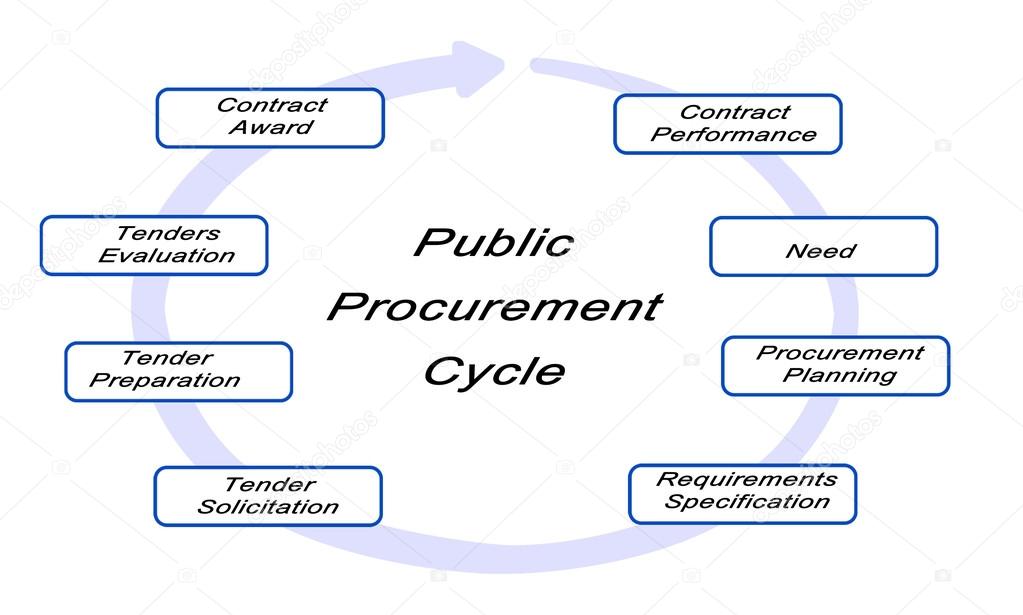
Legal experts note that even in instances where the pricing is deemed competitive, the perception of bias can undermine public trust in local institutions. In the Swiss political system, which relies heavily on communal autonomy, oversight is often conducted by local legislative councils or audit commissions. These bodies are tasked with reviewing municipal accounts and ensuring that expenditures align with established legal guidelines. If a conflict of interest is identified, the municipal council may be required to launch an internal investigation or refer the matter to cantonal authorities for an independent audit.
Transparency and Public Accountability
The phrase «Het äs Gschmäckli», a Swiss German idiom suggesting that something has a “bad aftertaste” or is ethically questionable, has been used by local observers to describe the situation. This sentiment reflects broader concerns regarding how small-scale municipal governance operates when personal and professional interests overlap. Transparency International Switzerland emphasizes that local governments are particularly vulnerable to nepotism due to the close-knit nature of municipal administration and the limited number of independent watchdogs at the communal level.
For taxpayers, the primary concern is the efficient use of public resources. If a contract is awarded to a family member, the municipality must provide evidence that a competitive bidding process occurred, ensuring that the project was not awarded at an inflated cost. According to the Transparency International Switzerland guidelines, proactive disclosure of all potential conflicts is a mandatory step for any official involved in the awarding of public contracts to prevent accusations of impropriety.
What Happens Next?
The next steps in this matter typically involve a formal review by the municipal legislative assembly or the regional supervisory authority. These bodies hold the power to demand access to procurement documents, including the initial tender notices, the list of bidders, and the final justification for the contract award. If irregularities are uncovered, the official could face political pressure to resign, administrative sanctions, or, in severe cases, legal proceedings related to the misuse of public office.
As of this reporting, no formal charges have been filed against the municipal president. Residents and stakeholders are expected to monitor upcoming municipal council meetings, where public inquiries regarding the procurement process are likely to be addressed. We will continue to track official updates from the municipal office and any subsequent findings released by cantonal auditors. Please share your thoughts on the importance of transparency in local government in the comments section below.
Worth a look