navigating Cultural Sensitivity in elite Tennis: Recent Incidents and a Growing Trend
The world of professional tennis, celebrated for its athleticism and global reach, is increasingly facing scrutiny over instances of cultural insensitivity. Recent apologies from prominent players like Lorenzo Musetti and Taylor Townsend highlight a critical need for awareness and respect when interacting with diverse audiences. But what’s driving this trend, and what does it mean for the future of the sport?
This article delves into the recent controversies, examines the underlying issues, and explores the importance of cultural understanding for athletes on the international stage. We’ll analyze the fallout from these incidents, discuss the role of social media in amplifying concerns, and offer insights into how players can navigate these complex situations.
The Latest Incident: Lorenzo Musetti’s Apology to Chinese Fans
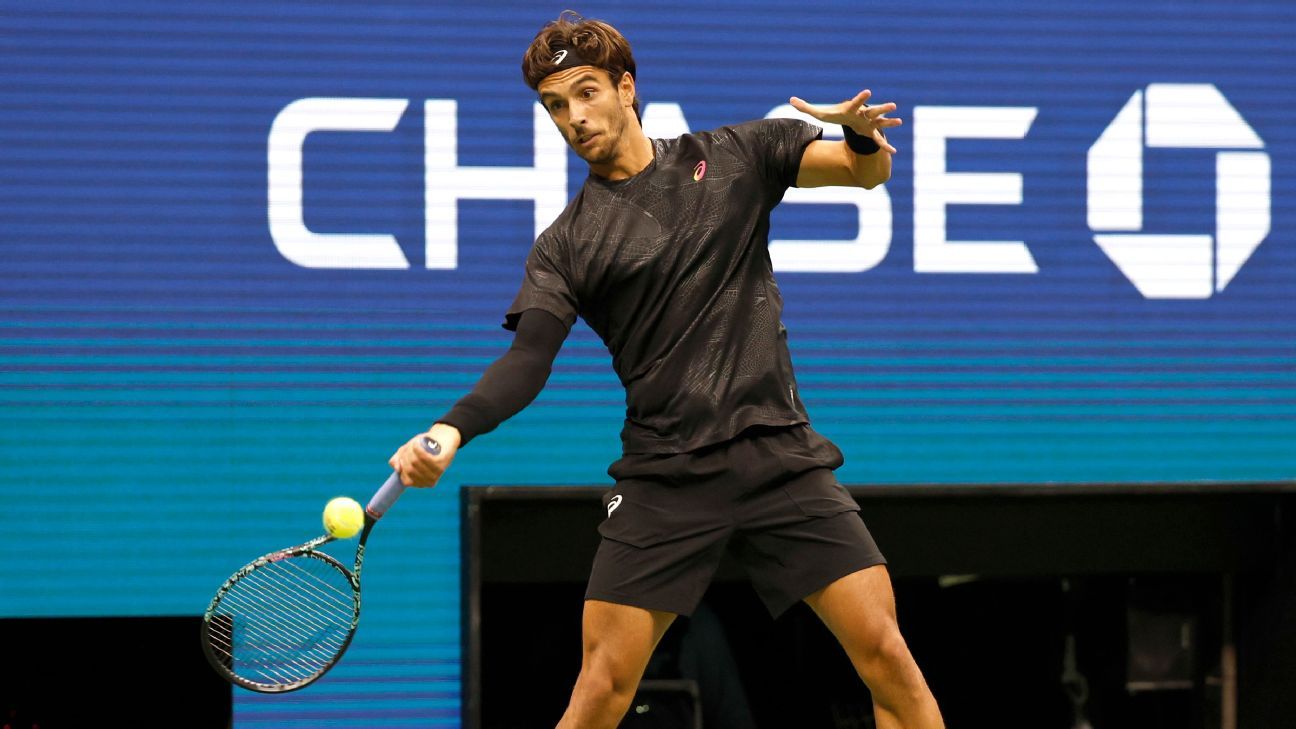
Lorenzo Musetti, the rising Italian tennis star, recently found himself at the center of controversy following a China Open match against Giovanni Mpetshi Perricard. Musetti reacted with visible frustration to coughing from the audience during a crucial point.
He was seen mimicking a cough and reportedly made a comment in Italian about frequent coughing, followed by accusations of mouthing a derogatory phrase directed towards chinese fans. The incident quickly ignited outrage on Chinese social media platforms.
Musetti swiftly issued an apology via Instagram (Billie Jean King Cup
Musetti’s apology isn’t an isolated event.Just weeks prior,American player Taylor Townsend apologized for comments made regarding Chinese cuisine during the Billie Jean King Cup Finals in Shenzhen.
Townsend had posted videos of local dishes – including bullfrogs and turtles – and jokingly suggested she’d need to consult HR about the food quality. This sparked a backlash online, with many perceiving the comments as disrespectful to Chinese culture.Townsend later apologized on Instagram, acknowledging the graciousness of the Chinese people.
These incidents, occurring within a short timeframe, suggest a broader issue: a lack of awareness regarding cultural norms and sensitivities among some athletes.
Why Are These Incidents Happening? The Role of Pressure and Social Media
Several factors contribute to these unfortunate situations:
* High-Pressure environment: Elite tennis is incredibly competitive. The intense pressure to perform can lead to impulsive reactions and regrettable statements.
* Cultural Differences: What might be considered harmless humor in one culture can be deeply offensive in another. Athletes traveling internationally must be mindful of these differences.
* Social Media Amplification: Social media platforms provide instant global reach. Comments, even those intended privately, can quickly become public and generate widespread criticism. This rapid dissemination demands greater caution.
* Lack of Cultural Training: Many athletes may not recieve adequate training on cultural sensitivity and appropriate behavior when traveling and competing internationally.
The Consequences: reputational Damage and Beyond
The repercussions of these incidents can be significant:
* Reputational Damage: Public apologies are often necessary, but they may not fully repair the damage to an athlete’s reputation.
* Sponsorship Concerns: Sponsors might potentially be hesitant to associate with athletes involved in controversies.
* Fan Alienation: Offensive comments can alienate fans in key markets, impacting the sport’s global appeal.
* Increased Scrutiny: These incidents lead to increased scrutiny of athletes’ behavior, both on and off the court.
Moving Forward: Fostering Cultural Understanding in Tennis
What steps can be taken to prevent similar incidents in the future?
* Mandatory Cultural Sensitivity Training: Tennis organizations should implement mandatory cultural sensitivity training for all professional players. This training should cover etiquette, interaction styles, and potential cultural pitfalls.
* Pre-Tournament Briefings: Provide players with briefings on the cultural norms and expectations of the host country before each tournament.
* Social Media guidelines: Develop clear guidelines for players regarding social media usage, emphasizing the importance of respectful communication.
* Promote Diversity and Inclusion: Foster a more diverse and inclusive environment within tennis, encouraging dialogue and understanding between players from different
Worth a look