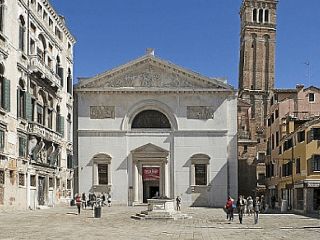
Venice, Italy, is renowned for its artistic heritage and nestled within the city’s historic heart lies the Museo della Musica, a captivating institution dedicated to the world of musical instruments. Located in the Chiesa di San Maurizio, the museum offers visitors a unique journey through centuries of musical craftsmanship and innovation. More than just a display of instruments, the Museo della Musica provides a glimpse into the cultural and historical context in which these objects were created and used, showcasing Venice’s significant role in the development of music.
The museum’s collection spans from the 16th to the 20th centuries, with a particular emphasis on instruments crafted in Venice itself. This focus highlights the city’s long-standing tradition of instrument making, a legacy fostered by skilled artisans and a vibrant musical scene. The Chiesa di San Maurizio, a former monastery church, provides a stunning backdrop for the exhibits, its ornate architecture and serene atmosphere enhancing the visitor experience. The building itself is a testament to Venetian artistry, adding another layer of cultural richness to the museum’s offerings.
A Historical Journey Through Venetian Music
The Museo della Musica isn’t simply a collection of old instruments; it’s a carefully curated narrative of musical evolution in Venice. The exhibits trace the development of various instrument families – stringed instruments like violins and guitars, keyboard instruments such as harpsichords and pianos, and wind instruments including flutes and oboes – demonstrating how these instruments changed over time in response to evolving musical styles and technological advancements. The museum’s curators have meticulously researched the provenance of each instrument, providing detailed information about its maker, its original owner, and its historical significance. Condé Nast Traveler notes the museum’s dedication to showcasing this evolution.
Venice played a pivotal role in the development of the violin, and the Museo della Musica boasts a remarkable collection of these instruments, many of which were crafted by renowned Venetian luthiers. Visitors can examine the intricate details of these violins, learning about the techniques used in their construction and the materials employed. The museum likewise explores the connection between Venetian violin making and the city’s thriving opera houses, which provided a constant demand for high-quality instruments. The rise of the Baroque period in the 17th and 18th centuries saw a flourishing of musical activity in Venice, and the Museo della Musica reflects this golden age through its displays of period instruments and musical scores.
The Significance of the Chiesa di San Maurizio
The choice of the Chiesa di San Maurizio as the museum’s location is particularly significant. Originally built in the 13th century and rebuilt in the 17th century, the church has a rich history of its own. It served as a monastery for Benedictine nuns for centuries, and its peaceful atmosphere and beautiful architecture create an ideal setting for contemplating the beauty and power of music. The church’s acoustics are also noteworthy, enhancing the experience of listening to recordings of music played on the instruments on display. The building’s restoration, completed in recent years, has preserved its historical integrity although providing modern amenities for visitors. The integration of the museum within this historic space underscores the importance of preserving Venice’s cultural heritage.
Exploring the Collection: Highlights and Key Instruments
The Museo della Musica’s collection is diverse and fascinating, encompassing a wide range of instruments from different periods and cultures. Among the highlights are several rare and historically significant instruments, including a beautifully preserved harpsichord dating back to the 18th century, a collection of Venetian mandolins, and a selection of early wind instruments. The museum also features a display of musical automata – mechanical instruments that play music automatically – showcasing the ingenuity of 18th and 19th-century inventors. These automata offer a unique glimpse into the intersection of music and technology.
Visitors can also explore the museum’s collection of musical scores and manuscripts, which provide valuable insights into the musical practices of the past. These documents reveal the composers, performers, and audiences who shaped the musical landscape of Venice. The museum’s curators have carefully selected these materials to complement the instrument displays, creating a holistic and immersive experience for visitors. The museum’s commitment to scholarship is evident in its detailed cataloging and documentation of its collection, making it a valuable resource for researchers and musicologists.
Beyond the Instruments: Context and Interpretation
The Museo della Musica goes beyond simply displaying instruments; it seeks to provide context and interpretation, helping visitors understand the cultural and historical significance of these objects. The exhibits explore the social role of music in Venetian society, examining how music was used in religious ceremonies, courtly celebrations, and everyday life. The museum also addresses the economic aspects of music making, highlighting the role of instrument makers, musicians, and music publishers in the Venetian economy. Interactive displays and multimedia presentations further enhance the visitor experience, providing engaging and informative content.
The museum’s educational programs are designed to appeal to audiences of all ages and backgrounds. Guided tours, workshops, and lectures offer opportunities for visitors to learn more about the history of music and the art of instrument making. The museum also collaborates with local schools and universities to provide educational resources for students. By fostering a deeper appreciation for music and cultural heritage, the Museo della Musica plays a vital role in preserving Venice’s artistic legacy.
Planning Your Visit
The Museo della Musica is located in the San Marco district of Venice, easily accessible by foot or vaporetto (water bus). The museum is open to the public daily, with varying hours depending on the season. Admission fees apply, and it is advisable to purchase tickets in advance online to avoid queues. The museum’s website provides detailed information about opening hours, admission prices, and upcoming events. Allow at least two to three hours to fully explore the museum’s collection and exhibits.
Visitors with mobility issues should note that the Chiesa di San Maurizio has limited accessibility. However, the museum staff is available to provide assistance and guidance. Photography is permitted in most areas of the museum, but flash photography is prohibited. The museum also offers a gift shop where visitors can purchase souvenirs and books related to music and Venetian history. Nearby, visitors can locate a wealth of other attractions, including St. Mark’s Square, Doge’s Palace, and the Rialto Bridge, making the Museo della Musica a perfect addition to any Venetian itinerary.
Key Takeaways
- The Museo della Musica in Venice offers a unique exploration of musical instruments and their historical context.
- Located in the Chiesa di San Maurizio, the museum provides a stunning backdrop for its exhibits.
- The collection spans from the 16th to the 20th centuries, with a focus on Venetian instrument making.
- The museum’s educational programs cater to audiences of all ages and backgrounds.
- Planning a visit in advance is recommended, and the museum is easily accessible by foot or vaporetto.
The Museo della Musica continues to evolve, with ongoing research and acquisitions adding to its already impressive collection. Future plans include the development of recent exhibits and educational programs, further enhancing the museum’s role as a center for musical scholarship and cultural preservation. For the latest updates and information, visitors are encouraged to check the museum’s official website. The museum remains a vital cultural institution, ensuring that the legacy of Venetian music continues to inspire and enrich generations to arrive.
We invite you to share your experiences at the Museo della Musica in the comments below. What instruments captivated you the most? What did you learn about Venice’s musical history? Share this article with fellow music lovers and travel enthusiasts!
Related reading