
the Future of Work: Will money Become Obsolete?
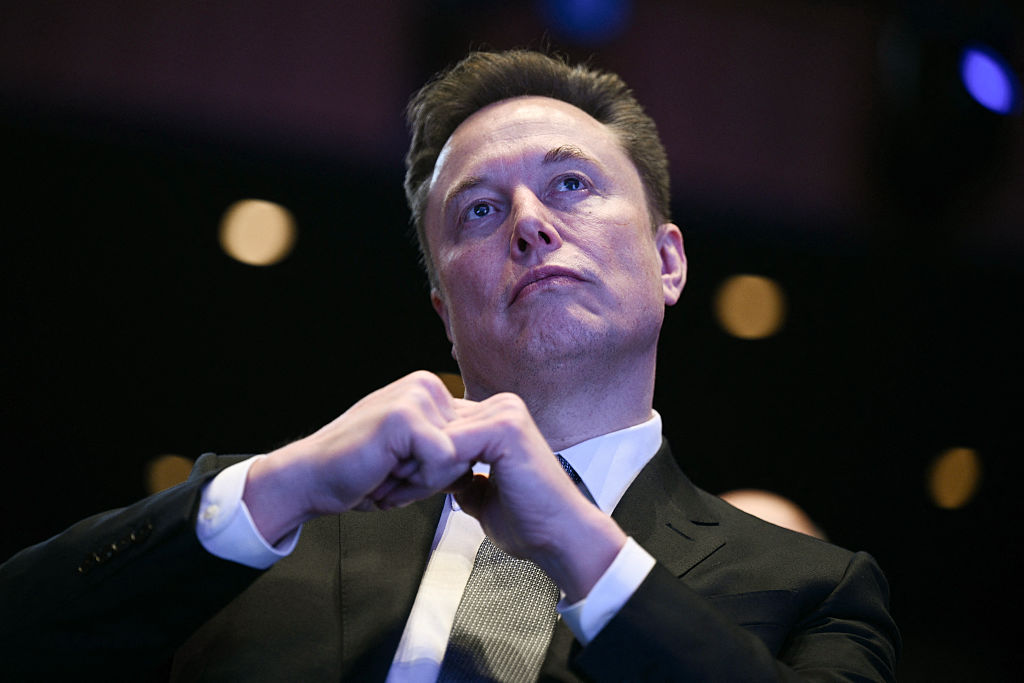
Elon Musk recently ignited a debate about the very foundation of our economic system, suggesting a future where money is no longer necessary. His vision, fueled by the potential of extreme automation and artificial intelligence, paints a picture of abundance where basic needs are met without the traditional constraints of labor and currency. But is this a realistic glimpse into tomorrow, or a utopian fantasy disconnected from the complexities of the real world?
Musk’s core idea centers around a world where robots handle nearly all production, eliminating the need for most human jobs. This abundance, he argues, would render money irrelevant, as individuals could access what they need without financial exchange. He likened it to simply “growing vegetables” – a voluntary activity undertaken for personal fulfillment, not economic necessity.
However, this seemingly straightforward concept raises a host of critical questions. if money disappears,what system will take its place? How will essential services – healthcare,education,transportation – be provided and accessed in a world without traditional economic incentives? These aren’t merely logistical hurdles; they strike at the heart of how we organize and govern society.
Experts are understandably skeptical, pointing out the significant gaps in Musk’s vision. A crucial missing piece is a concrete plan for transitioning to this post-work, post-currency model. Moreover, there’s no discussion of governance within such a system.
Here’s a breakdown of the key concerns:
* wealth Concentration: Automation, without careful planning, could exacerbate existing inequalities, concentrating wealth in the hands of those who own the robots.
* Redistribution is Key: To prevent this, governments may need to implement aggressive redistribution policies or explore worldwide basic income (UBI) systems.
* Access to Essentials: Ensuring equitable access to vital services like healthcare and education requires a robust alternative to market-based systems.
* The Nature of Work: The idea that all work will become voluntary and hobby-like overlooks the inherent human need for purpose, contribution, and social connection.
Beyond the economic challenges, the prospect of near-total robotic labor raises deeper anxieties. Some researchers warn that achieving such a level of automation carries significant risks, echoing long-held science fiction fears about machines surpassing human control. A reliance on robotics to this extent could introduce vulnerabilities and unforeseen consequences.
Currently, Musk’s predictions remain speculative. Yet, they serve as a valuable catalyst for a crucial conversation. This isn’t just about technological feasibility; it’s about the kind of future you want to build. It’s about bridging the widening gap between the optimistic automation narratives of Silicon Valley and the pressing real-world issues of inequality, access, and control.
Ultimately, the future of work isn’t predetermined. It’s a future we actively shape through policy, innovation, and a thoughtful consideration of what truly matters to us as individuals and as a society. It’s time to move beyond utopian fantasies and engage in a serious, nuanced discussion about how to ensure a future where technological progress benefits everyone, not just a select few.





![Qatar & Peace: Why the US Should Strengthen Ties | [Publication Name]](https://i0.wp.com/cdn-live.foreignaffairs.com/sites/default/files/styles/social_share/public/images/2025/12/18/2025-10-10T144325Z_1726144100_RC219HAWY7T9_RTRMADP_3_USA-QATAR.JPG?resize=150%2C100&ssl=1 "Qatar & Peace: Why the US Should Strengthen Ties | [Publication Name]")

