
The Sagrada Família in Barcelona is entering its final major construction phase, with the central Tower of Jesus Christ expected to reach completion by 2026. This milestone will bring the basilica to a total height of 172.5 meters, making it the tallest church in the world. The project, which began in 1882, is scheduled to meet this deadline to coincide with the centenary of the death of its primary architect, Antoni Gaudí.
Construction of the landmark basilica has spanned over 140 years, evolving from a modest crypt into one of the most complex architectural projects in modern history. While the project has faced numerous delays—including the impact of the Spanish Civil War and the recent COVID-19 pandemic—the Sagrada Família Foundation has maintained a steady timeline for the completion of the main towers. The recent progress on the exterior structures marks a significant step toward realizing Gaudí’s original vision for the skyline of Barcelona.
How close is the Sagrada Família to completion?
The completion of the Sagrada Família is being managed in stages, with the most critical remaining task being the construction of the central spire, known as the Tower of Jesus Christ. According to the Sagrada Família Foundation, the structural work on the main towers is prioritized to ensure the skyline is completed by the 2026 target date.
While the exterior silhouette of the basilica has been largely defined by the completion of the towers dedicated to the Evangelists and the Virgin Mary, the central tower remains the centerpiece of the ongoing work. The foundation has noted that while the structural elements of the towers may be finished by 2026, decorative work and the completion of the interior details may continue beyond that date. This distinction is vital for understanding the difference between the completion of the building’s height and the total finished state of the monument.
Funding for the ongoing construction relies entirely on private donations and income from visitor ticket sales. This “expiatory” model means that the pace of construction is directly linked to the revenue generated by global tourism to Barcelona. As visitor numbers have returned to pre-pandemic levels, the foundation has reported an increased capacity to fund the intensive engineering required for the final spires.
Why will the Sagrada Família become the world’s tallest church?
Upon the completion of the Tower of Jesus Christ, the Sagrada Família will reach a height of 172.5 meters (approximately 566 feet). This height will surpass the current tallest religious structures, including St. Peter’s Basilica in Vatican City, which stands at approximately 136 meters.
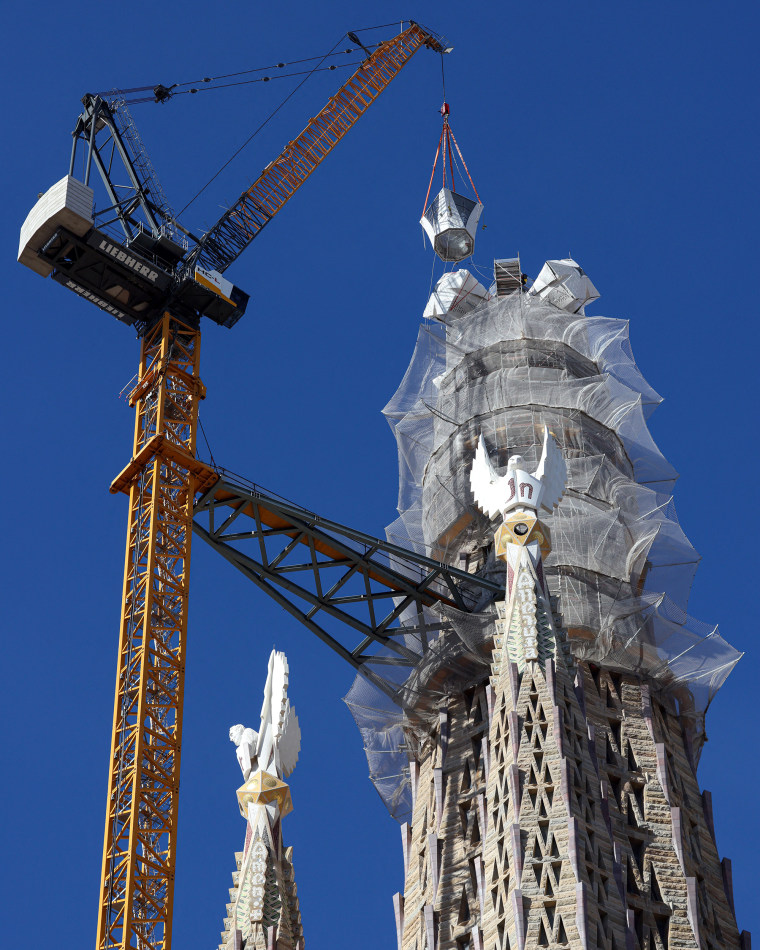
The height of the tower is not arbitrary; it was a deliberate design choice by Antoni Gaudí. The architect intended for the central tower to remain shorter than the nearby Montjuïc hill, as he believed that human creations should not surpass the height of natural landmarks. This design philosophy reflects Gaudí’s integration of organic forms and religious symbolism throughout the entire structure.
The following table outlines the vertical progression and historical milestones of the basilica’s construction:
| Year/Period | Milestone/Event | Structural Status |
|---|---|---|
| 1882 | Commencement of construction | Crypt construction begins |
| 1926 | Death of Antoni Gaudí | Project enters post-Gaudí phase |
| Recent Years | Completion of major Evangelist towers | Exterior silhouette largely defined |
| 2026 (Target) | Centenary of Gaudí’s death | Completion of Tower of Jesus Christ |
The legacy of Antoni Gaudí and the 144-year timeline
The 144-year construction timeline is a result of both the complexity of the design and the historical interruptions the project has faced. When construction began in 1882, the project was initially a standard Neo-Gothic design. However, after Antoni Gaudí took over as chief architect in 1883, the project transformed into a unique blend of Art Nouveau and organic Gothic styles.
Gaudí’s death in 1926 left the project without its primary visionary, forcing subsequent architects to interpret his surviving models and drawings. This process has required modern engineers to use advanced 3D modeling and digital stone-cutting technology to replicate Gaudí’s complex geometric shapes, which were originally conceived through manual mathematics and physical models.
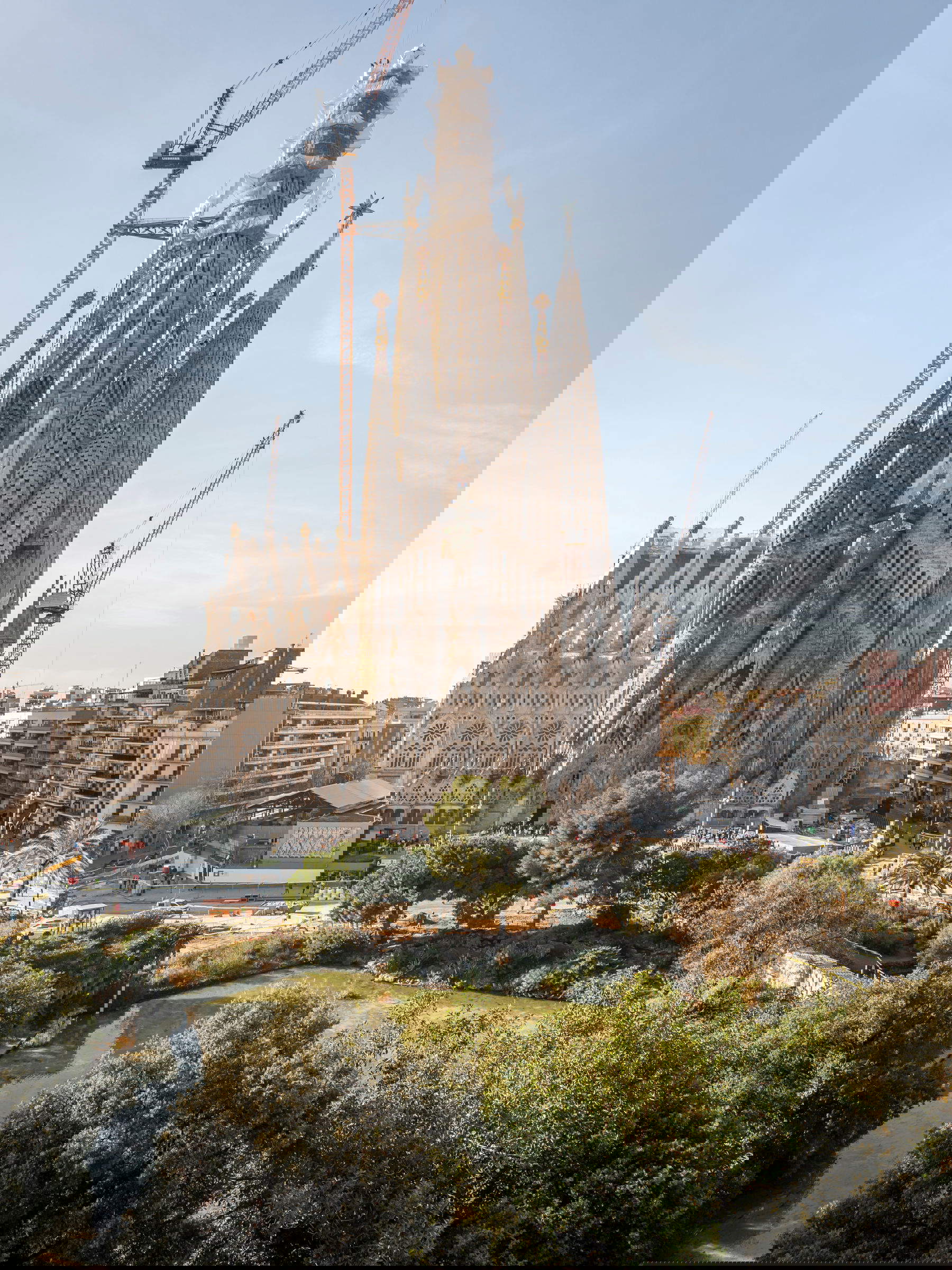
The basilica is recognized as a UNESCO World Heritage site, a designation that highlights its importance to global architectural history. The ongoing work serves as a living laboratory for structural engineering, as builders must balance the weight of the massive stone spires with the intricate, light-filled interiors that Gaudí designed to mimic a forest of stone.
As the project moves toward the 2026 deadline, the focus remains on the structural integrity of the central towers. The foundation has confirmed that the next major phase of public updates will involve the technical installation of the cross that will crown the Tower of Jesus Christ.
For those following the progress of this global landmark, official updates regarding construction timelines and visitor access are released periodically by the basilica’s administration. We invite you to share your thoughts on this architectural milestone in the comments below.
Related reading