“`html
Myanmar’s Controversial Election: A Step Towards or Away From Democracy?
Published: 2026/01/25 11:14:20
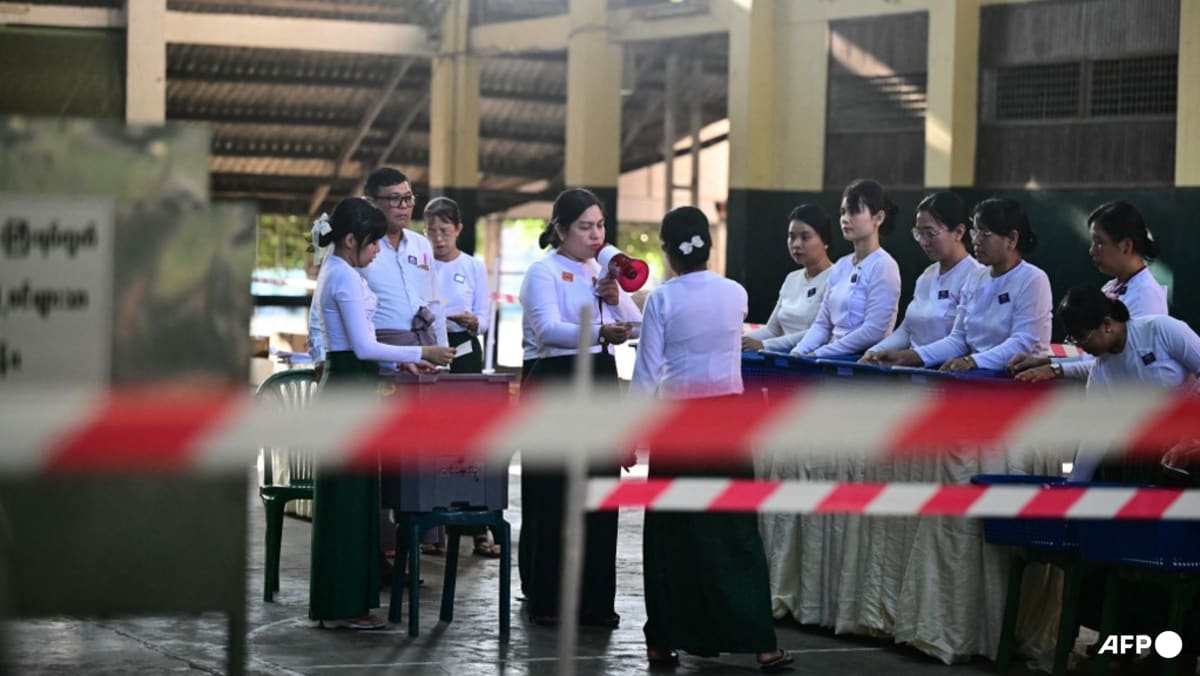
Voting concluded on January 25, 2026, in Myanmar’s month-long election, with the Union Solidarity and Development Party (USDP), the party aligned with the military junta, poised for a notable victory. Though, the election has been widely condemned internationally as a sham designed to legitimize the military’s continued rule following the 2021 coup. This article examines the context of the election,the criticisms surrounding it,and the potential implications for Myanmar’s future.
A History of Military Rule and Recent Turmoil
Myanmar, also known as Burma, has a long and complex political history marked by periods of military rule interspersed with brief attempts at democratic governance [[2]]. After decades of military dictatorship,the country began a transition towards democracy in 2011,with the release of Aung San Suu Kyi from house arrest and the holding of multi-party elections. However, this progress was abruptly halted on February 1, 2021, when the military, led by Min Aung Hlaing, seized power in a coup d’état.
The coup triggered widespread protests and civil disobedience, which were met with brutal repression by the military. This led to the outbreak of a civil war, with various ethnic armed organizations and newly formed Peopel’s Defense Forces (PDFs) challenging the junta’s authority. The country has since descended into a humanitarian crisis, with millions displaced and facing food insecurity [[1]].
The 2026 Election: A Junta-Organized Poll
The military junta announced plans to hold elections as a pathway back to democracy, but these plans have been met with widespread skepticism. Key opposition figures, including Aung San Suu Kyi, were barred from participating, and her National league for Democracy (NLD) party was dissolved. Critics argue that the election was designed to consolidate the military’s power and create a veneer of legitimacy.
Several key features of the election raised concerns:
- Restricted Participation: The exclusion of major opposition parties and candidates limited the choices available to voters.
- Coercion and Intimidation: Reports emerged of coercion and intimidation tactics used by the military to influence voters in junta-controlled areas.
- Limited Access: Voting was not held in areas controlled by rebel groups, effectively disenfranchising a significant portion of the population.
- Lack of International Oversight: International observers were largely excluded from