Myanmar junta Announces Prisoner Release Amidst Disputed Election and Ongoing Civil Unrest
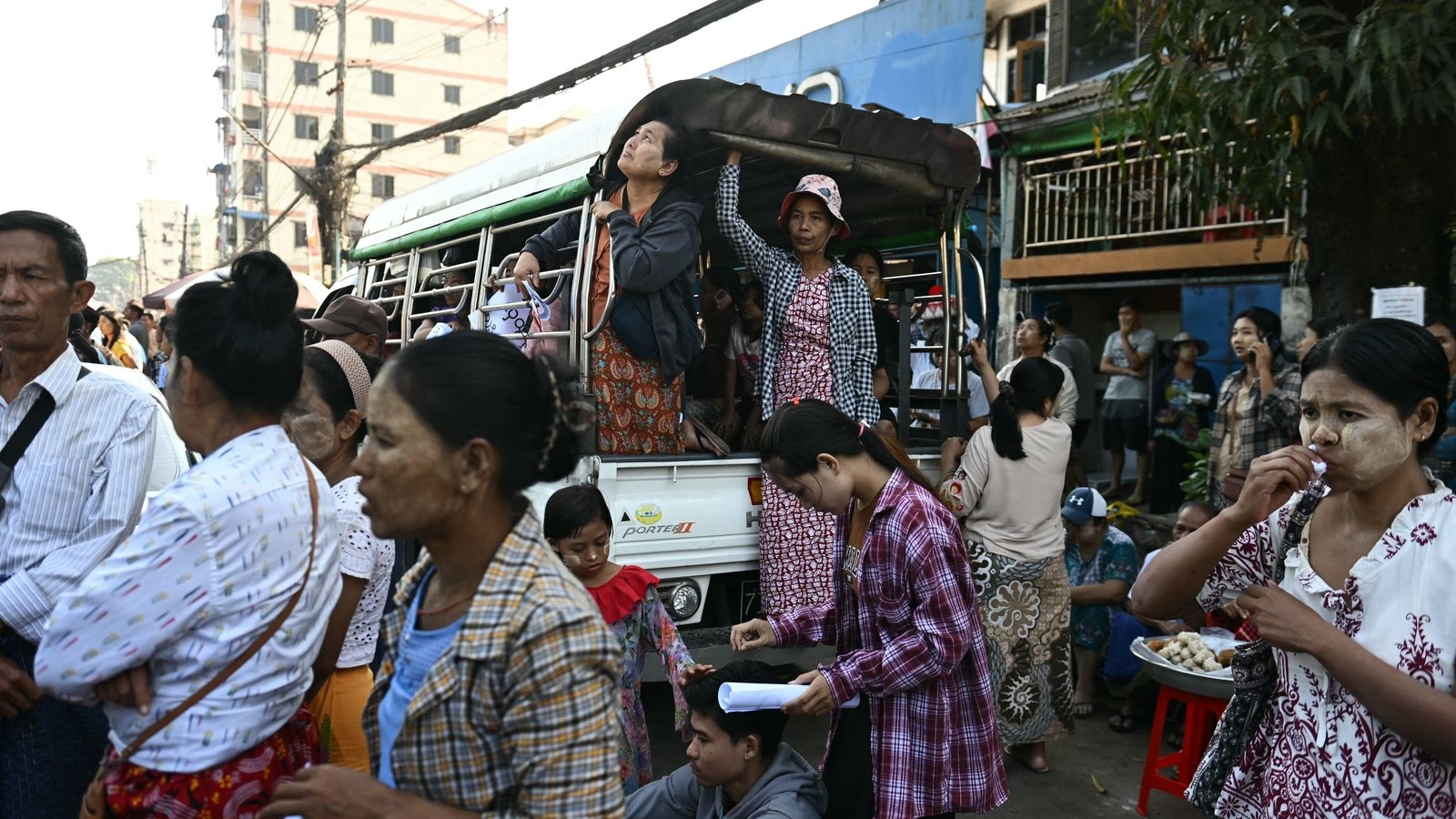
Myanmar’s military junta has announced teh release of over 6,000 prisoners, a customary amnesty marking the nation’s Independence Day. While presented as a humanitarian gesture, the move occurs against a backdrop of widespread political repression following the February 2021 coup, a deeply flawed election process, and a continuing civil war that has gripped the country. This release, encompassing both Myanmar nationals and 52 foreign prisoners slated for deportation, raises questions about the junta’s motivations and its commitment to genuine democratic reform.
A Nation Imprisoned: The Scale of Post-Coup Arrests
The February 2021 coup abruptly ended Myanmar’s short-lived democratic transition, triggering a brutal crackdown on dissent. as then, the military has systematically arrested thousands of pro-democracy protesters, activists, journalists, and political figures. These arrests represent a concerted effort to silence opposition and consolidate power, effectively dismantling the freedoms gained in the preceding decade. the sheer number of political prisoners – estimates vary, but consistently run into the thousands – underscores the severity of the human rights crisis unfolding in Myanmar.
The amnesty, while important in number, is unlikely to address the core issues driving the conflict. Manny of those imprisoned were arrested for exercising fundamental rights – freedom of speech, assembly, and participation in peaceful protests. The release of some prisoners is often followed by further arrests, creating a cycle of repression that stifles any meaningful political progress.
The Sham Election and the Illusion of Democracy
Coinciding with the amnesty, the junta has been conducting a phased, month-long election. However, this process has been widely condemned by international observers and rights advocates as a carefully orchestrated sham designed to legitimize military rule. The election is not viewed as a genuine attempt to restore democracy but rather as a rebranding exercise for a regime clinging to power.
Early results reveal a decisive lead for the union Solidarity and Progress Party (USDP), widely considered a proxy for the military.The USDP has secured a commanding 90% of the lower house seats announced thus far, winning 87 out of 96 contested seats in the first phase. While a handful of seats have been claimed by ethnic minority parties, the overall outcome clearly favors the military’s interests.
Crucially, the National League for Democracy (NLD), the party led by Aung San Suu Kyi that won a landslide victory in the 2020 election, was barred from participating. Aung san Suu Kyi herself remains imprisoned, facing a series of politically motivated charges. The military overturned the results of the 2020 election,alleging unsubstantiated claims of widespread voter fraud – allegations dismissed by international monitors.
Low Turnout and a Disengaged Electorate
the junta claims a turnout exceeding 50% in the first phase of voting, but this figure falls significantly below the approximately 70% participation rate observed in the 2020 election. This decline suggests a widespread lack of faith in the process and a growing disengagement among the electorate. Many citizens are boycotting the election, viewing it as a meaningless exercise under military control.
The junta’s previous amnesty in November, which saw the release of over 3,000 prisoners, was also widely seen as a pre-election tactic aimed at improving its image and creating a veneer of goodwill. However, these releases did little to address the underlying grievances fueling the ongoing unrest.
The future of Myanmar: A Nation at a Crossroads
Myanmar remains deeply divided and unstable. The civil war continues to escalate, with clashes between the military and various ethnic armed organizations and pro-democracy resistance groups. The humanitarian situation is deteriorating,with millions displaced and facing food insecurity.
The junta’s actions – the mass arrests, the sham election, and the selective amnesties – demonstrate a clear unwillingness to engage in genuine dialog or transition to a democratic system. The international community faces a critical challenge in responding to the crisis, balancing the need for accountability with the imperative to provide humanitarian assistance to the suffering population.
The release of prisoners, while a welcome step for those directly affected, is ultimately a superficial gesture that fails to address the fundamental issues plaguing Myanmar. The path forward requires a commitment to inclusive dialogue, the release of all political prisoners, and a genuine transition to civilian rule – a path the current junta appears unwilling to take. The future of Myanmar hangs in the balance, dependent on the choices made by those in power and the resilience of the people striving for a free and democratic future.
Worth a look