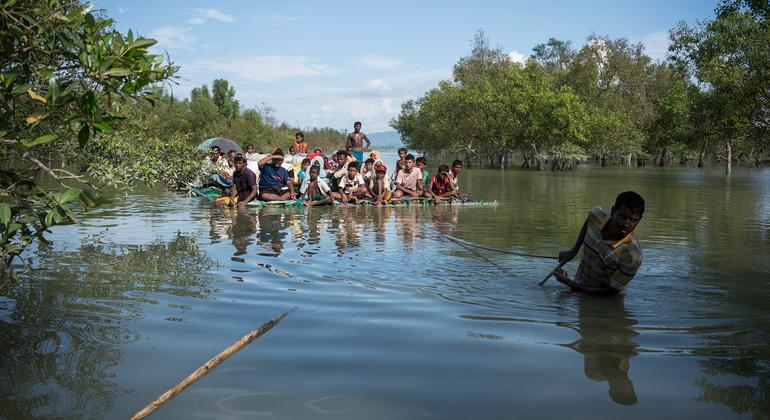
The International Court of Justice (ICJ) continues to here arguments in a landmark case alleging genocide committed against the Rohingya people by Myanmar. Hearings are ongoing at The Hague and are scheduled to conclude on january 29, 2026.
The Allegations of Genocide
Gambia brought the case before the ICJ, alleging that Myanmar’s military committed brutal acts of genocide against the Rohingya population from 2016 to 2018 in northern Rakhine State. These alleged acts include mass executions, the indiscriminate killing of civilians – including women and children – widespread sexual violence, and the purposeful destruction of hundreds of villages. evidence presented includes accounts of systematic persecution and hate speech directed towards the Rohingya.
Jessica Jones,representing Gambia’s legal team,highlighted the “longstanding denigration” and hate speech perpetrated by members of the myanmar military against the Rohingya. She cited a 2017 Facebook video featuring a soldier seemingly inciting violence, stating, ”We will clear the villages where those animals live. We have guns, we have bullets…we have come here with the spirit to attack the animals.”
Historical Context and UN Findings
In 2017, then-UN High Commissioner for human Rights, Zeid Ra’ad al-Hussein, described the violence against the Rohingya as a “textbook example of ethnic cleansing.” This violence led to approximately 700,000 Rohingya fleeing to neighboring Bangladesh, where the majority remain as refugees.
The ICJ issued a provisional order in 2020,directing myanmar to take all measures within its power to prevent genocidal acts against the Rohingya. Gambia is now seeking accountability for the alleged actions,including restitution and compensation for the victims.
The ICJ Case: A Watershed Moment
This case is considered a meaningful legal milestone as it marks the first time a state – Gambia – has brought a genocide case against another state, Myanmar, without being directly impacted by the alleged crimes. This demonstrates a growing international commitment to the principle of universal jurisdiction and the responsibility to protect populations at risk of genocide.
The court is scheduled to hear testimony from three Rohingya witnesses next week, described by Gambia’s Philippe Sands as individuals who were “at the wrong place at the wrong time” and witnessed the deaths of their loved ones.
Key Takeaways
- The Allegation: Gambia accuses myanmar of committing genocide against the Rohingya population between 2016 and 2018.
- ICJ Involvement: The International Court of Justice is hearing the case and has already issued provisional orders to prevent further genocidal acts.
- Historical Context: The UN has previously described the violence as “textbook ethnic cleansing.”
- Meaning: This case sets a precedent for international accountability regarding genocide, as it’s the first time a non-affected state has brought a case against another.
The Role of the ICJ
The International Court of Justice is the principal judicial organ of the United Nations.its role is to settle legal disputes submitted to it by States and to provide advisory opinions on questions of international law. The ICJ does not prosecute individuals; instead, it determines the responsibility of states under international law.
#NoToHate: Confronting Harmful Speech
The case underscores the dangerous consequences of hate speech and incitement to violence.The alleged actions of the Myanmar military were preceded by, and accompanied by, a sustained campaign of dehumanizing rhetoric against the Rohingya, highlighting the critical need to address and counter harmful speech.