
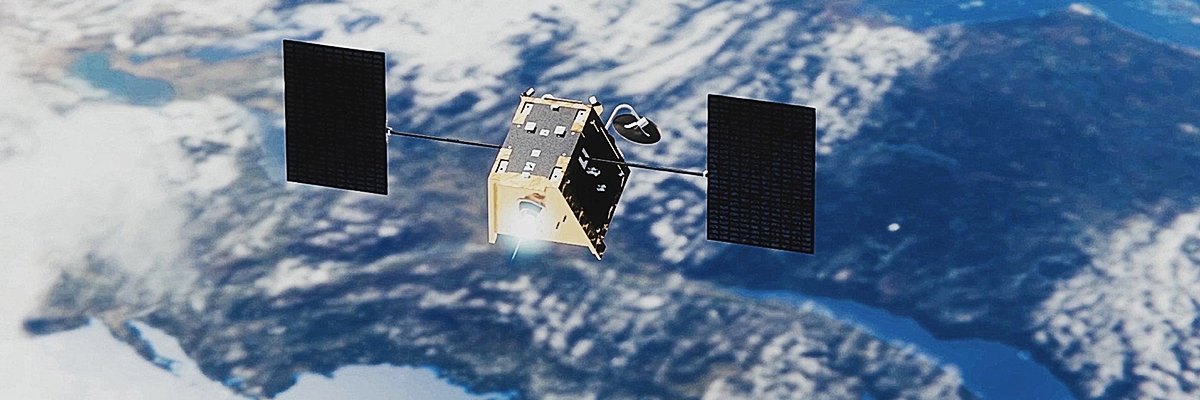
Adelaide-based connectivity firm Myriota has officially launched a hybrid IoT network that integrates satellite and cellular communications into a single platform. The system, which combines the company’s existing 5G non-terrestrial network (NTN) with terrestrial cellular infrastructure, aims to provide continuous data coverage for asset tracking devices in remote or challenging environments where traditional single-source connectivity often fails.
By leveraging both satellite links and terrestrial 4G or 5G cellular networks, the hybrid solution is designed to switch between transmission methods based on availability and signal strength. This approach is intended to ensure that IoT devices remain connected even when they move between areas with robust cellular infrastructure and deep rural zones covered only by satellite beams. According to the company’s technical documentation, the integration is intended to reduce data gaps for logistics, agriculture, and environmental monitoring sectors.
The announcement follows an industry-wide push toward 3GPP standards, which govern the integration of non-terrestrial networks into the global cellular ecosystem. As noted by the 3GPP (3rd Generation Partnership Project), the standardization of satellite-to-cellular communication is a primary driver for the current wave of hybrid IoT deployments, allowing manufacturers to use unified chipsets for both terrestrial and space-based data routing.
How the Hybrid Network Functions
The core of the Myriota solution relies on a specialized asset tracker device capable of dual-mode operation. When a device is within range of a cellular tower, it prioritizes the terrestrial network to conserve power and reduce latency. If the device detects a loss of cellular signal, it automatically transitions to the satellite network, which operates via 5G NTN protocols. This “seamless” handover is the technical benchmark the firm is aiming to achieve for its enterprise clients.

This development is part of a broader trend in the Internet of Things (IoT) market. Data from the GSMA indicates that the integration of satellite connectivity into standard IoT hardware is significantly lowering the barrier to entry for global fleet management, as it removes the need for expensive, dual-device hardware configurations. By using a single device, companies can manage assets across international borders without needing to swap hardware or manage multiple connectivity contracts.
Industry Impact and Market Applications
The primary beneficiaries of this hybrid network are industries that require consistent data reporting from mobile assets. In sectors like long-haul logistics, containers often spend significant time in transit through regions lacking cellular coverage. The ability to maintain a heartbeat signal via satellite allows for real-time tracking, which can be critical for high-value cargo or sensitive goods that require environmental monitoring.
Agricultural technology is another sector poised to utilize this hybrid model. Smart farming equipment, such as autonomous tractors or soil sensors, often operates in vast, remote areas. The reliance on terrestrial cellular networks often limits the deployment of these technologies to regions with established infrastructure. By layering satellite connectivity, providers can offer a more consistent data stream, which is essential for precision agriculture and automated irrigation systems.
Challenges in Satellite IoT Deployment
While the promise of “seamless” coverage is a major marketing point, technical and regulatory challenges remain for the industry. Satellite connectivity inherently involves higher latency compared to terrestrial 5G, and the power requirements for a device to “talk” to a satellite in low-earth orbit can be higher than those required for a standard cellular handshake. Myriota’s focus on the 5G NTN standard is designed to address these power consumption issues by aligning satellite communication more closely with existing cellular power-saving modes.
Furthermore, international spectrum regulation remains a complex landscape. According to the International Telecommunication Union (ITU), the allocation of radio frequencies for non-terrestrial networks requires careful coordination to prevent interference with terrestrial systems. Myriota must comply with these international frameworks as it expands its footprint across different geographic regions, ensuring that its devices can operate legally and efficiently in every territory they enter.
Next Steps for the Platform
The company has indicated that its next phase involves the commercial rollout of the hybrid asset trackers to pilot partners in the logistics and mining sectors. Following these initial deployments, Myriota is expected to provide performance data regarding the efficiency of the hybrid handover process. Industry observers are looking for verified metrics on power consumption and data reliability in “shadowed” areas—locations where traditional cellular signals are blocked by terrain or infrastructure.

Interested parties can monitor updates regarding the commercial availability of the hardware through the company’s official channels and industry trade bulletins. As the technology moves from pilot programs to full-scale enterprise adoption, the success of this hybrid model will likely serve as a case study for the viability of 5G NTN in the broader IoT market.
Have thoughts on the future of hybrid connectivity? Join the conversation in the comments section below to share your perspective on how satellite-cellular integration will impact your industry.