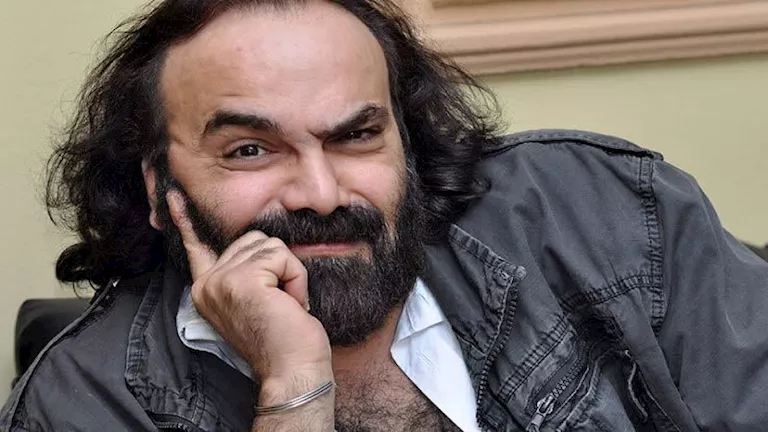
Egyptian singer Nader Abu El-Leef has publicly addressed long-standing rumors regarding his alleged association with Sabri Nakhnokh, a prominent figure involved in a high-profile legal case that captured significant public attention in Egypt over the last decade. In recent media appearances, the artist explicitly denied any professional or personal connection to the individual, refuting claims that he had ever served as an associate or “strongman” for him.
The clarification comes as part of a broader trend of public figures addressing past associations amid renewed interest in high-profile criminal cases from the early 2010s. For readers familiar with the Egyptian entertainment landscape, the inquiry into the artist’s background highlights how public figures often face scrutiny regarding their proximity to controversial figures during periods of political and social volatility in the region.
Understanding the Context of the Allegations
The speculation regarding Nader Abu El-Leef and Sabri Nakhnokh surfaced primarily due to the intense media coverage surrounding the latter’s 2012 arrest. Sabri Nakhnokh, who was often described in local media as a wealthy businessman with significant influence, was apprehended by Egyptian security forces in August 2012 at his residence in Alexandria, as reported by Reuters. Authorities at the time cited the discovery of illegal weaponry and exotic animals, leading to a series of legal proceedings that drew national attention to the intersection of business, politics, and organized crime.
Following his arrest, rumors circulated on social media and within various tabloid outlets suggesting that several Egyptian celebrities had ties to the businessman. Abu El-Leef, known for his unique vocal style and rise to fame in the late 2000s, found himself named in these unverified reports. The term “Draa El-Moallem”—which translates roughly to the “strongman” or “right-hand man” of a powerful figure—was frequently used in these online rumors to describe the alleged relationship between the singer and the businessman.
The Artist’s Response
In his recent statements, Nader Abu El-Leef dismissed these claims as baseless and fabricated. He emphasized that his career was built entirely on his musical contributions and his perseverance in the industry, rather than any external affiliations. According to the artist, these rumors were likely fueled by the sensationalist nature of the media coverage surrounding the 2012 case, which sought to link as many public figures as possible to the scandal to drive engagement.
Legal experts note that such associations, often spread through social media, can have lasting impacts on the reputations of public figures. However, in this instance, no evidence was ever presented by law enforcement or judicial authorities to link Abu El-Leef to the activities for which Sabri Nakhnokh was prosecuted. The businessman was subsequently sentenced to prison on charges including illegal possession of weapons and drug trafficking, according to reports from Ahram Online. He was later released following a presidential pardon in 2018.
Why Public Interest Persists
The persistence of these rumors years after the initial trial illustrates the enduring fascination with the “Nakhnokh case” in Egypt. The case remains a reference point for discussions regarding the influence of private individuals on public life prior to the political shifts of 2013. For the public, these stories often serve as a lens through which to view the power dynamics of the previous era.
For Nader Abu El-Leef, the decision to address the matter directly appears to be an attempt to clear his professional record. By refuting the “Draa El-Moallem” narrative, the singer is distancing himself from a narrative that has followed him for over a decade. As of now, there are no ongoing legal inquiries or official allegations that support the claims he has denied.
Impact on the Entertainment Industry
The entertainment industry in Egypt has frequently dealt with the fallout of political and criminal investigations involving influential figures. When celebrities are linked to individuals who later face criminal charges, the resulting stigma can be difficult to shake, regardless of the lack of evidence. The case of Abu El-Leef serves as a reminder of the importance of verifying claims in an era where digital rumors can quickly become accepted as part of a public figure’s biography.
Moving forward, the artist continues to focus on his music career, aiming to shift the public narrative back to his artistic contributions. For those following the developments of the various figures associated with the 2012 case, the legal situation remains largely settled following the 2018 presidential pardons that saw several high-profile individuals released from custody, as noted by the BBC.
As the conversation surrounding these historical events continues to evolve, the distinction between verified criminal records and unconfirmed social media speculation remains a critical component of responsible reporting. Readers are encouraged to rely on official court documents and established news outlets for information regarding the legal status of individuals involved in past high-profile cases.
Have you followed the developments of this story over the years? We invite you to share your thoughts in the comments section below or join the discussion on our social media channels.
Keep reading
- Livestock Farm Destroyed by Fire in Megara, Greece: Video Footage
- Revel Horwood Stabbing: Judge Claims Jewellery Stolen Before Drug Search at Border
- Phil Collins Reveals Near-Fatal Organ Failure After Years of Alcohol Abuse (time.news)
- Virginia Tech Study Reveals New Patterns in Storm Surge Behavior (newsdirectory3.com)