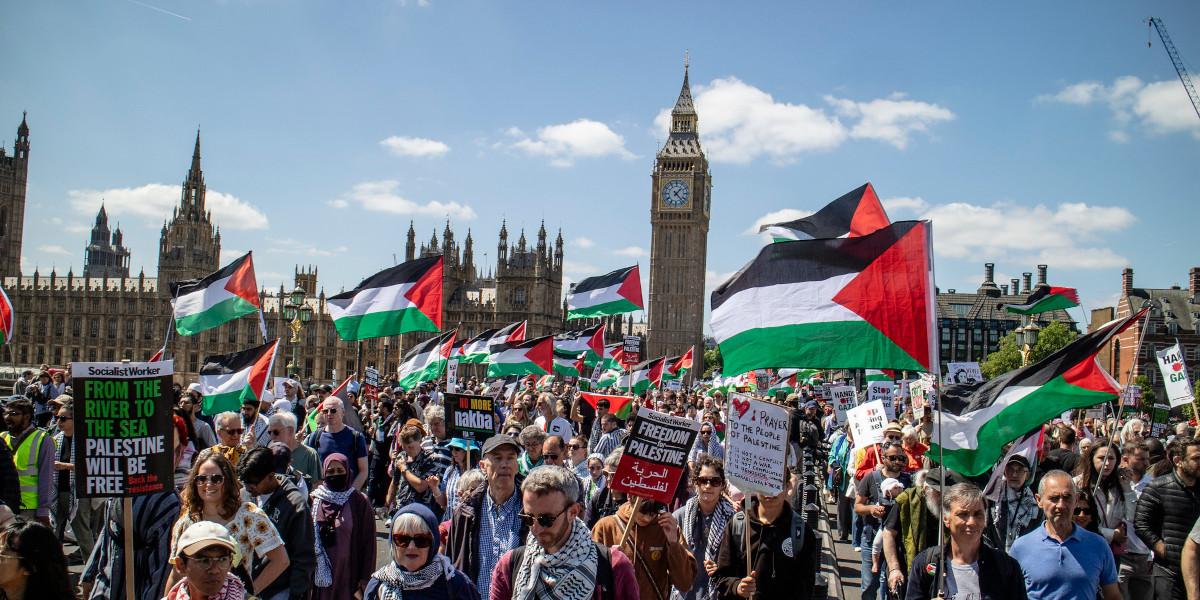
As the world marks the anniversary of Nakba Day, the atmosphere across the Middle East and in global capitals remains heavy with a mixture of mourning and urgent political demand. For Palestinians, May 15 is not merely a date on a calendar but a visceral reminder of the “catastrophe”—the Arabic meaning of Nakba—that fundamentally altered the trajectory of their existence and the geography of their homeland.
This year, the commemorations are overshadowed by a humanitarian situation in the Gaza Strip that many observers describe as a continuation of the original displacement. The historical echoes of 1948 are no longer distant memories; they are mirrored in the current movements of hundreds of thousands of displaced civilians seeking safety in an ever-shrinking enclave. The convergence of historical trauma and present-day violence has transformed Nakba Day 2026 into a focal point for international debate over human rights, sovereignty, and the elusive prospect of peace.
From the streets of London to the ruins of Gaza, the calls for the “Right of Return” and an end to military occupation have intensified. While the events of 78 years ago established the foundations of the current conflict, the events of the past few months have redefined the urgency of the Palestinian cause for a new generation of global activists and policymakers.
Understanding the Nakba: The ‘Catastrophe’ of 1948
To understand why Nakba Day carries such profound emotional and political weight, one must look back to the events surrounding the creation of the State of Israel. The Nakba refers to the ethnic cleansing of Palestine by Zionist militias to clear the way for the establishment of Israel in 1948. This was not a spontaneous byproduct of war but, according to historical accounts, a premeditated military campaign.
During this period, Zionist forces destroyed hundreds of villages and killed thousands of Palestinians. The scale of the displacement was staggering: approximately 80 percent of the Palestinian population was forcibly expelled from their homeland. In total, more than 750,000 Palestinians were expelled or fled their homes during the 1948 Palestinian expulsion and flight, creating a refugee crisis that persists to this day.
The human cost of this era was immense. Records indicate that the 1948 expulsion and flight resulted in 13,000 to 16,000 casualties. By the end of the conflict, the newly created State of Israel had captured 78 percent of historic Palestine. The remaining 22 percent, comprising the West Bank and the Gaza Strip, would later fall under Israeli military rule, further complicating the status of the displaced populations.
The Road to Displacement: The British Mandate and Political Zionism
The roots of the Nakba stretch back long before 1948, beginning with the shift in global power following World War I. After the collapse of the Ottoman Empire, the League of Nations granted Great Britain a “mandate” over Palestine. This arrangement was designed to provide administrative assistance to native populations until they could stand as independent states, yet it largely ignored the wishes of the Palestinian people.
A critical turning point was the incorporation of the Balfour Declaration into the British Mandate. This document pledged the establishment of a “national home for the Jewish people” in Palestine, at a time when Jewish residents made up less than 10 percent of the population. This policy facilitated a massive wave of migration from Europe, driven in part by the persecution of Jewish people in the 1930s and the horrors of the Holocaust.
The demographic shift was rapid. Between 1923 and 1948, the Jewish population in Mandatory Palestine grew ten-fold, increasing from 60,000 in the pre-Mandate era to 700,000 by 1948. As Political Zionism—the movement to create a Jewish state—gained momentum, tensions with the majority Muslim-Palestinian population escalated into civil war following a United Nations proposal to divide the land into Arab and Jewish states.
When Israel declared its independence on May 14, 1948, neighboring Arab armies invaded on May 15, marking the official start of the Arab-Israeli War. As Israel pushed back these forces, the wave of Palestinian displacement accelerated, cementing the “catastrophe” that is commemorated every May 15.
The Modern Resonance: Gaza and the Cycle of Displacement
For those observing Nakba Day in 2026, the historical narrative of 1948 is inextricably linked to the current devastation in the Gaza Strip. The term “Nakba” is increasingly used by Palestinians and human rights advocates to describe the current war, arguing that the forced movement of populations today is a repetition of the original ethnic cleansing.
The scale of recent displacement is harrowing. In a single week leading up to recent commemorations, more than 450,000 people—nearly a quarter of Gaza’s total population—were newly displaced. This modern exodus mirrors the desperation of 1948, as families are forced to leave their homes with few possessions, often under the threat of immediate violence.
The psychological impact of this “continuous Nakba” is profound. For many in Gaza, the anniversary is not just a day of mourning for ancestors who lost their lands in 1948, but a day of survival for those losing their homes today. The current conflict has seen a staggering rise in casualties and internal displacement, with some reports indicating up to 1.9 million people internally displaced within the Gaza Strip alone.
Global Observances and the Struggle for Recognition
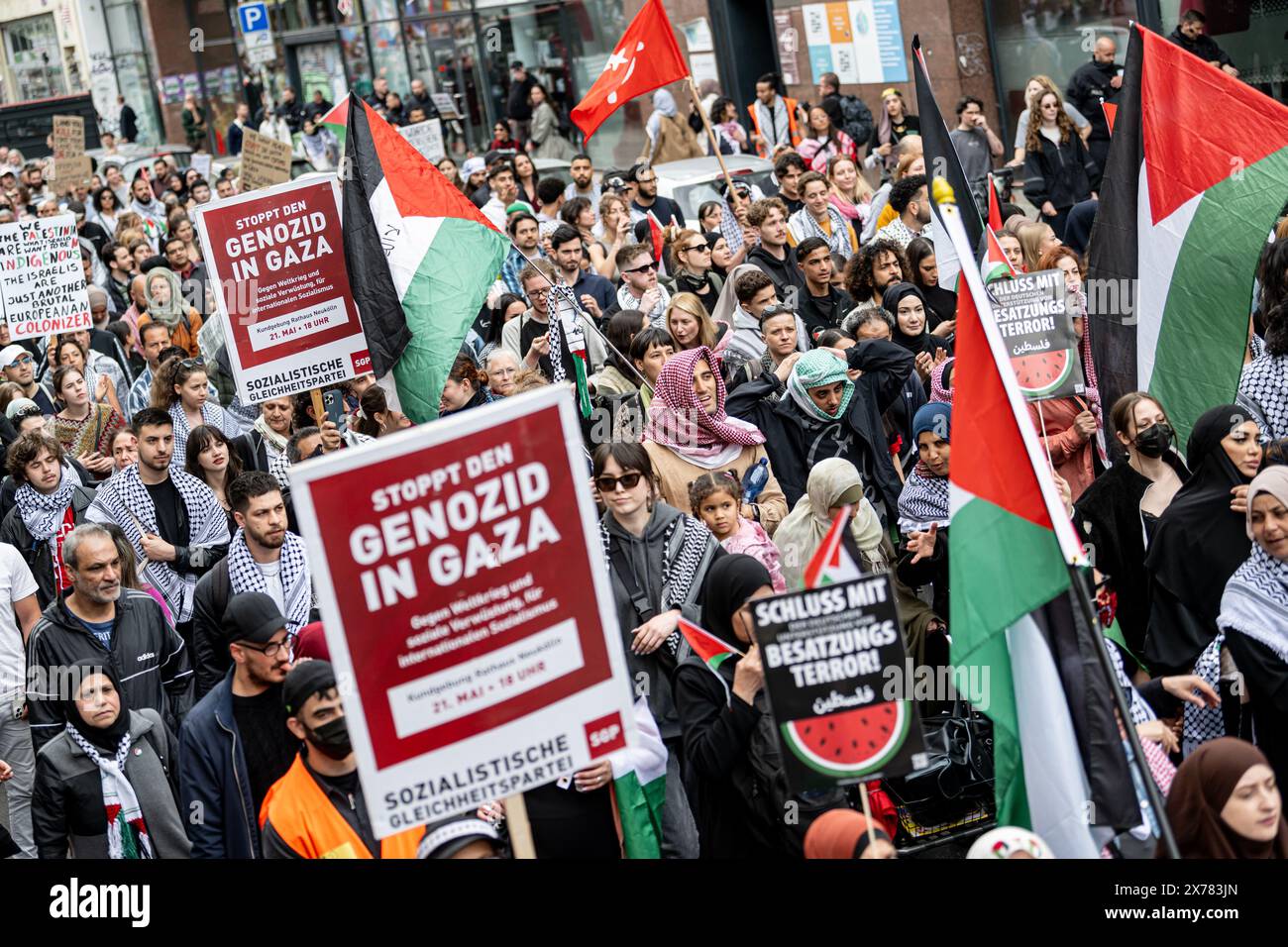
Nakba Day has evolved from a local day of mourning into a global political event. In cities across Europe, North America, and Asia, Palestinians and their allies hold rallies to demand the “Right of Return”—the principle that Palestinian refugees and their descendants have the right to return to the homes from which they were displaced in 1948.
These demonstrations often coincide with heightened security measures in major metropolitan areas. In cities like London, the anniversary frequently sees large-scale gatherings from opposing political factions, leading to increased police presence and strict security cordons to prevent clashes. These protests serve as a barometer for the global sentiment regarding the Israeli-Palestinian conflict, reflecting a growing divide in how the history of the region is interpreted and taught.
In various parts of the world, from Kyoto to Sofia, flash mobs and cultural events are used to keep the memory of the Nakba alive. These activists argue that without acknowledging the “catastrophe” of 1948, any attempt at a two-state solution or a lasting peace is built on a foundation of historical denial. For them, the Nakba is not a closed chapter of history but an open wound that requires justice and restitution to heal.
Key Takeaways: The Significance of Nakba Day
- Definition: Nakba, meaning “catastrophe,” commemorates the 1948 displacement of Palestinians during the creation of the State of Israel.
- Historical Scale: Over 750,000 Palestinians were displaced, and approximately 80% of the population was expelled from their homeland.
- Root Causes: The conflict was fueled by the British Mandate’s Balfour Declaration and the rise of Political Zionism, which saw the Jewish population grow from 60,000 to 700,000 by 1948.
- Modern Link: Current events in Gaza, including the recent displacement of 450,000 people in a single week, are seen by many as a continuation of the Nakba.
- Global Impact: May 15 has become a day of global protest, focusing on the “Right of Return” and the humanitarian crisis in the Palestinian territories.
The Path Forward: What Happens Next?
As the commemorations of Nakba Day 2026 wind down, the focus shifts back to the immediate humanitarian needs in the Gaza Strip and the West Bank. The international community remains deadlocked on the issue of Palestinian sovereignty, while the United Nations continues to manage the needs of millions of refugees through UNRWA.

The primary challenge remains the reconciliation of two conflicting national narratives. For Israel, the events of 1948 represent a war of independence and the realization of a long-held dream of Jewish self-determination. For Palestinians, it represents the loss of their ancestral lands and the beginning of a lifelong struggle for basic rights and recognition.
The next critical checkpoint for the region will be the upcoming United Nations General Assembly sessions, where the status of Palestinian membership and the legality of settlements in the West Bank are expected to be debated. These diplomatic efforts, however, often feel disconnected from the reality on the ground, where the cycle of displacement continues to haunt the population.
World Today Journal encourages readers to share this article and join the conversation in the comments below. How should the international community balance historical grievances with the need for current humanitarian stability?
Related reading