BJP sweeps Nandigram Cooperative Polls: A Sign of Shifting Political tides in West Bengal?
The bharatiya Janata Party (BJP) has achieved a resounding victory in the Nandigram Cooperative Agricultural Advancement Committee elections, securing all nine seats. This complete shutout of the Trinamool Congress (TMC) is generating meaningful buzz as West Bengal gears up for state elections anticipated in the first half of 2026. But what does this local win truly signify for the broader political landscape?
A landmark Victory in Suvendu Adhikari‘s bastion
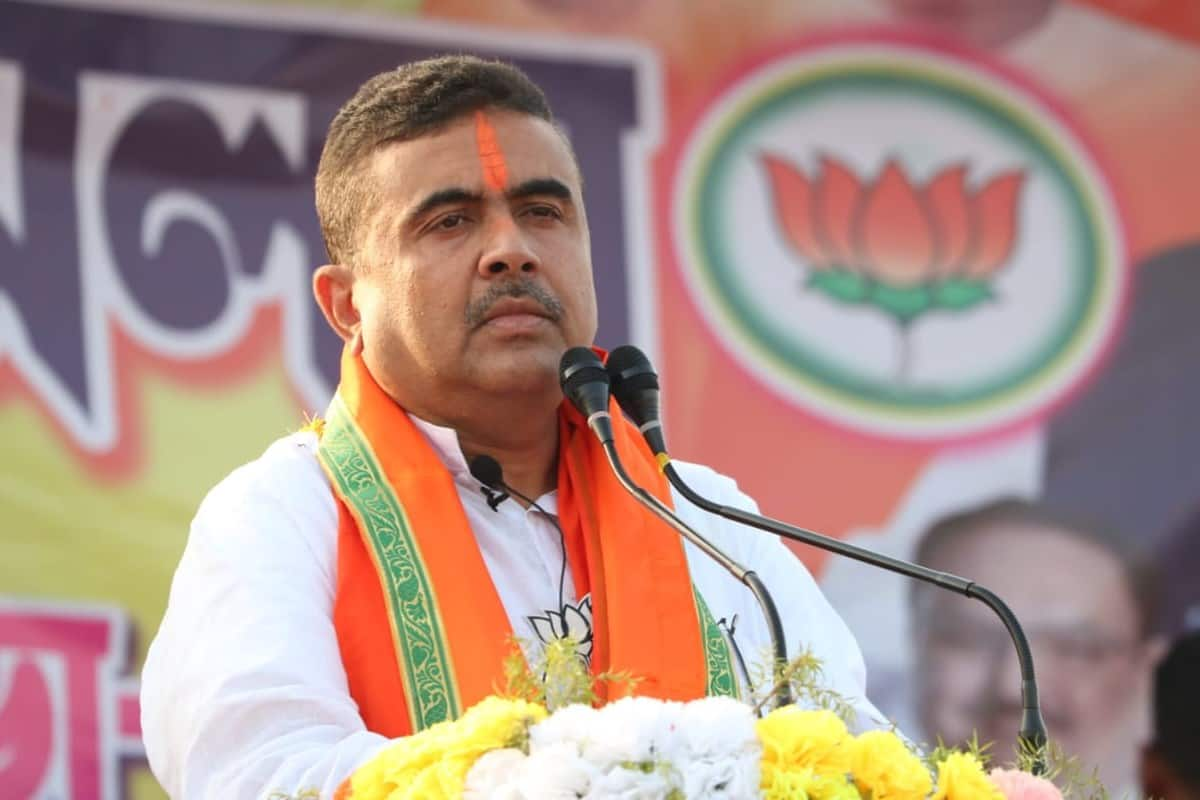
Nandigram holds particular importance as the assembly constituency of Suvendu Adhikari, the Leader of the Opposition in West Bengal adn a prominent BJP figure. He won this seat in the fiercely contested 2021 Assembly polls. this recent cooperative election win is widely viewed as a validation of Adhikari’s continued influence and a boost for the BJP’s prospects in the region.
The cooperative committee elections, while seemingly localized, are crucial. They control vital agricultural resources and distribution networks,giving the winning party considerable sway over the farming community – a significant voting bloc in nandigram.
retaliatory Rhetoric and the 2021 Election Echoes
The victory has sparked a war of words between the BJP and the TMC. BJP MLA Shankar Ghosh didn’t hesitate too criticize West Bengal chief Minister Mamata banerjee, responding to her recent statement about “shaking” the BJP. Ghosh countered that Adhikari had already “shaken” Banerjee during the 2021 Assembly elections.
He further pointed out that Banerjee herself lost the Nandigram seat in 2021, entering the Assembly under what he termed a “compartmental” status. This refers to the fact she simultaneously contested and won from the Bhabanipur constituency after losing in Nandigram. Ghosh argued such statements hinder the state’s progress.
What’s at Stake in West Bengal Politics?
West bengal is shaping up to be a key battleground state in the upcoming elections. The primary contest is expected to be between the incumbent TMC and the BJP. Here’s a breakdown of the current dynamics:
* TMC’s Dominance: The Trinamool Congress has been in power in West Bengal since 2011, enjoying strong support in many districts.
* BJP’s Rising Influence: The BJP has been steadily gaining ground, particularly in North Bengal and areas with a significant Matua community presence. Their performance in the 2019 Lok Sabha elections and the 2021 Assembly elections demonstrated this growth.
* Nandigram as a Microcosm: The Nandigram election results offer a glimpse into the potential shifts in voter sentiment. The BJP’s clean sweep suggests a growing dissatisfaction with the TMC at the grassroots level in this key constituency.
* The Importance of Local Elections: These elections often serve as a barometer of public opinion and can influence the momentum leading up to larger state and national elections.
Looking Ahead to 2026
The 2026 West Bengal elections are poised to be a high-stakes affair. Both parties are expected to ramp up their campaigns, focusing on issues such as:
* Economic Development: Addressing unemployment and attracting investment.
* Corruption Allegations: Both parties have accused each other of corruption.
* Social Welfare Programs: Expanding access to healthcare,education,and other essential services.
* Communal Harmony: Maintaining peace and stability in a diverse state.
Will the BJP’s Nandigram victory translate into broader electoral gains in 2026? Only time will tell. However, it’s clear that the party is actively working to consolidate its position in West Bengal and challenge the TMC’s long-held dominance.
Are you following the political developments in West Bengal? What impact do you think the Nandigram election results will have on the 2026 state elections? Share your thoughts in the comments below!
Evergreen Insights: The Meaning of Cooperative Elections in Indian Politics
Cooperative elections in India often receive less national attention than state or national polls, but they are incredibly significant for several reasons:
* Grassroots Democracy: They represent a direct exercise of democratic principles at the local level.
* Economic control: Cooperatives play a vital role in sectors like
Keep reading