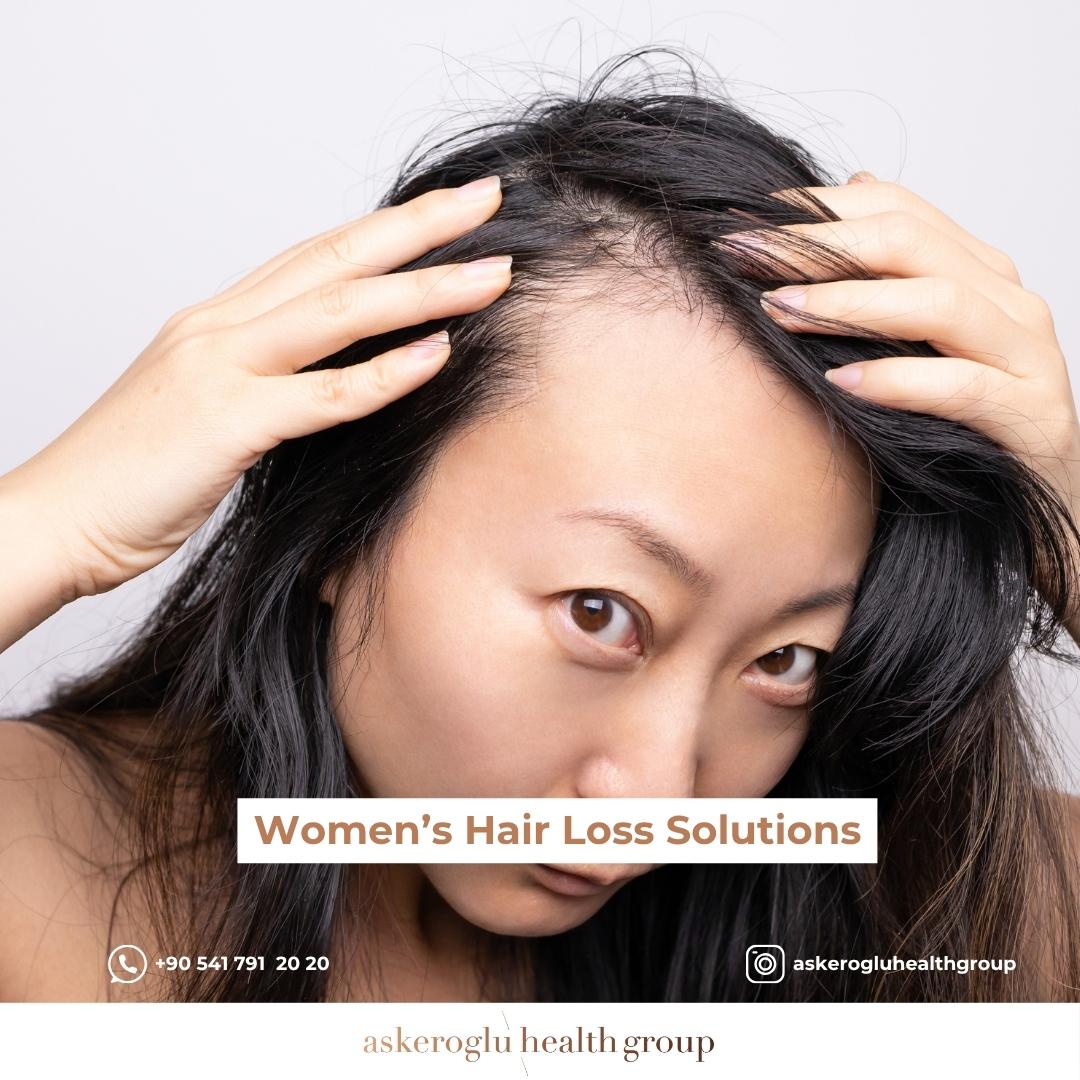
Addressing the seasonal challenges of hair loss is a priority for many women as the transition into spring brings unexpected changes to scalp health. On April 14, 2026, the pharmaceutical and biotech company Nanopharm hosted its 109th skin lecture at the Konkuk University Industry-Academic Cooperation Building, focusing specifically on spring female hair loss management to provide clinicians and specialists with targeted solutions for this seasonal phenomenon.
The event highlighted the complex interplay between environmental triggers and biological responses. During the first session, Nanopharm Manager Jin-seok Jang detailed why hair shedding often increases between April and June, categorizing this trend as “seasonal hair loss.” According to the presentation, this increase is not random but is driven by a combination of hormonal shifts and external stressors that disrupt the natural hair growth cycle.
For women experiencing increased shedding during these months, the causes are often multifaceted. Manager Jang identified several key drivers, including changes in hormones resulting from increased sunlight exposure, as well as the heightened impact of external irritants such as ultraviolet (UV) rays, fine dust, and yellow dust. Lifestyle disruptions—specifically changes in eating habits and sleep deprivation—contribute to the instability of the scalp environment.
A critical biological factor discussed was the reduction of melatonin. The lecture explained that a decrease in this hormone can alter the hair growth cycle, potentially triggering or exacerbating hair loss during the spring season. By understanding these mechanisms, the session aimed to move beyond general care toward a more clinical, evidence-based approach to scalp health.
Clinical Solutions for Seasonal Scalp Health
To combat the effects of seasonal hair loss, the lecture proposed a dual strategy focusing on scalp hygiene and the application of functional active ingredients. The goal is to stabilize the scalp environment to better support the hair follicle’s growth phase.

As part of the hygiene protocol, the “Danterapin S Shampoo,” which contains zinc pyrithione, was introduced as a tool for maintaining scalp cleanliness. What we have is particularly significant in the spring, when environmental pollutants like yellow dust can clog follicles and cause inflammation.
Beyond cleansing, the session emphasized the role of copper peptides. Nanopharm introduced “Nanocupr,” a product based on copper peptides. This formulation includes copper and zinc ions, saw palmetto extract, and Vitamin B6. These ingredients are designed to regulate sebum secretion and improve the overall condition of the scalp, creating a more hospitable environment for hair retention.
For those requiring more intensive treatment, the company noted that Nanocupr can be used in conjunction with “Nanoxidil Solution” (available in 2% and 5% concentrations). The lecture suggested that combining these two approaches—environmental scalp improvement and targeted pharmaceutical treatment—can create a synergistic effect in managing female hair loss according to reports from the 109th skin lecture.
Integrating Holistic Therapy: The Role of Ballocore
The second half of the event expanded the scope of wellness beyond topical treatments, introducing a systemic approach to health. Kim Hyo-jung, President of the Baroseum Pattern Therapy Society, delivered a presentation on “Ballocore,” a specialized therapy technique focused on the feet.
Ballocore utilizes the surface area of the feet and the patient’s body weight to deliver fascia-based pressure. The objective of this therapy is to improve physical asymmetry and activate systemic circulation. By addressing the body’s overall alignment and blood flow, the therapy aims to support general health, which can indirectly benefit the delivery of nutrients to the scalp and hair follicles.
Key Takeaways for Spring Hair Management
- Identify Seasonal Triggers: Be aware that increased shedding from April to June is often linked to “seasonal hair loss” driven by UV rays, fine dust, and hormonal changes.
- Monitor Sleep and Diet: Lifestyle shifts and the subsequent reduction in melatonin can disrupt the hair growth cycle.
- Prioritize Scalp Hygiene: Use functional ingredients like zinc pyrithione to clear environmental pollutants from the scalp.
- Consider Peptide Support: Copper peptides and Vitamin B6 can help regulate sebum and improve the scalp environment.
- Explore Systemic Wellness: Techniques that improve circulation and physical symmetry may complement topical hair loss treatments.
This lecture series is part of a broader effort by Nanopharm to provide continuous education on dermatological health. This follows previous sessions, such as the 108th lecture held on January 11, 2026, which focused on the anatomical theory of eye-area wrinkles and elasticity management at Konkuk University.

The ongoing collaboration with institutions like the Konkuk University Industry-Academic Cooperation Building underscores the importance of bridging the gap between pharmaceutical innovation and clinical practice to address specific patient needs during seasonal transitions.
The next phase of these professional skin lectures will continue to provide updated clinical data and treatment protocols for various dermatological concerns. We encourage healthcare providers and interested readers to share their experiences with seasonal hair loss in the comments below.