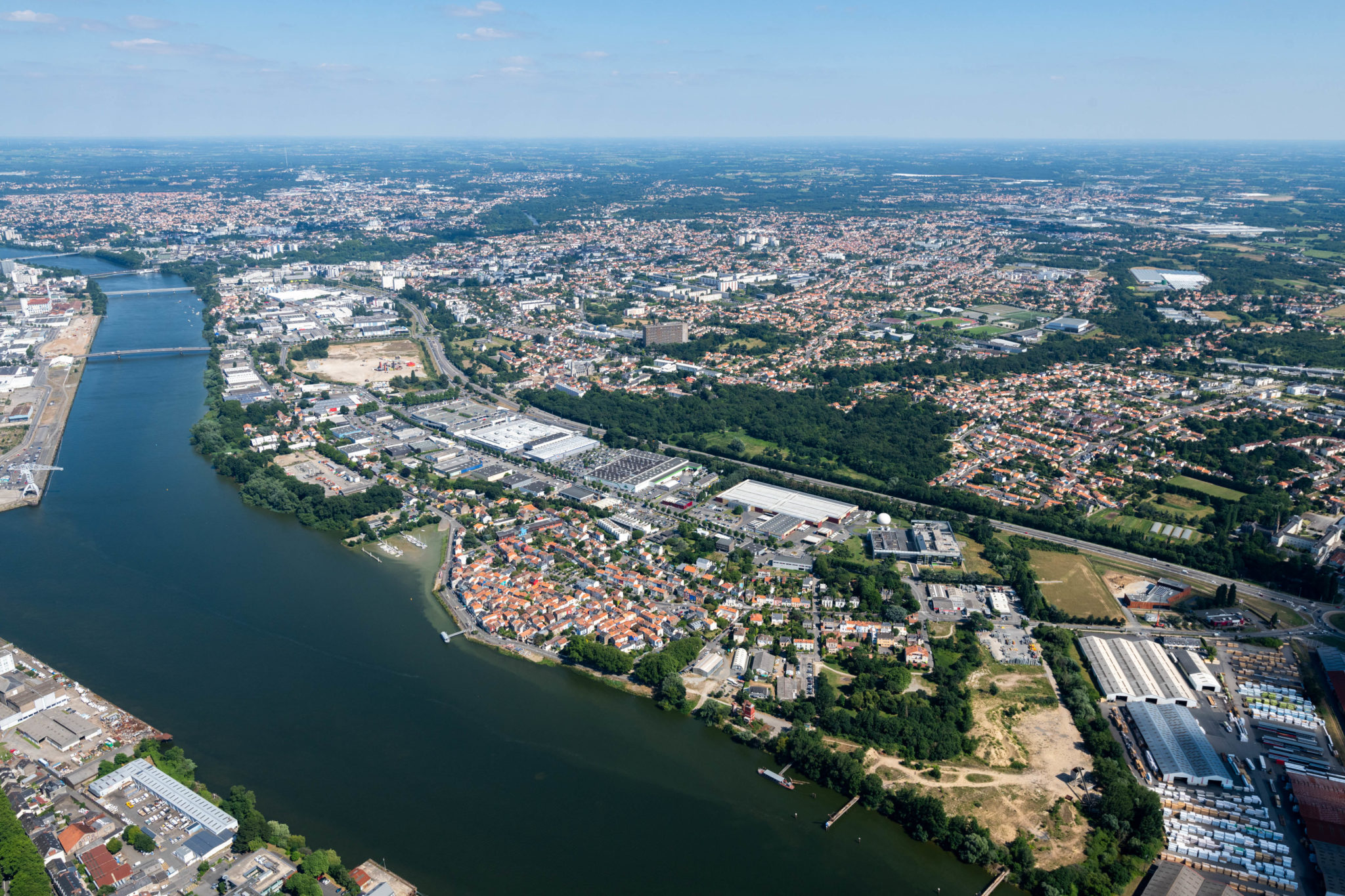
The second round of municipal elections in the Nantes metropolitan area is set to take place this Sunday, March 22, 2026, following a first round that saw significant shifts in the political landscape. While mayors have already been elected in 19 of the 24 communes within the metropolitan area, voters in Nantes, Carquefou, Couëron, Rezé and Thouaré-sur-Loire will return to the polls to determine their local leadership. This second round follows a first round where nearly 90% of communes in the Loire-Atlantique department saw their mayors elected outright, allowing residents to enjoy their weekend without electoral duties. The stakes are high as these final contests could reshape the balance of power within the wider Nantes Métropole.
The first round of elections, held on March 15, 2026, revealed a notable trend across the Loire-Atlantique department, with 186 of 207 communes electing their mayors in the initial vote, according to official data from the prefecture. A detailed report from the prefecture outlines the results and provides a comprehensive overview of the electoral process. This leaves 21 communes, including the five within the Nantes Métropole, heading to a second round to decide their municipal leadership. A total of 63 lists remain in contention across these remaining communes.
A Shifting Political Landscape in the Nantes Métropole
The first round of voting signaled a significant realignment in the political composition of the Nantes Métropole, with several communes traditionally leaning left experiencing a shift towards right-leaning candidates. Notably, Orvault, Bouaye, and La Chapelle-sur-Erdre all saw victories for candidates from the right, marking a departure from previous electoral outcomes. Mediacités provides an in-depth analysis of this “blue wave” and its implications for the region’s political future. This shift adds a layer of complexity to the second round, as established political dynamics are challenged and latest alliances may emerge.
In Nantes itself, incumbent Mayor Johanna Rolland, representing the Socialist Party (PS), faces a competitive challenge. According to preliminary results from the first round, Rolland secured 35.24% of the vote with 42,599 votes. Foulques Chombart de Lauwe, representing a coalition including Les Républicains (LR), garnered 33.77% of the vote with 40,815 votes. William Aucant, representing La France Insoumise (LFI), received 11.20% of the vote, totaling 13,542 votes. The close margin between Rolland and Chombart de Lauwe sets the stage for a potentially tight race in the second round. The overall voter turnout in Nantes for the first round was 60.35%, with 122,587 voters participating out of 203,143 registered voters. A total of 120,878 valid votes were cast, with 1,107 blank votes and 602 null votes.
Key Contests Beyond Nantes
While the mayoral race in Nantes is garnering significant attention, the outcomes in Carquefou, Couëron, Rezé, and Thouaré-sur-Loire are also crucial. Each of these communes presents its own unique set of challenges and opportunities for the competing candidates. The specific dynamics of each race – including the local issues at stake and the profiles of the candidates – will likely play a decisive role in determining the final results. Mediacités offers further analysis of the situation facing Johanna Rolland in Nantes, highlighting the surprise and uncertainty surrounding her campaign.
The broader context of these municipal elections is the upcoming regional elections and the national political climate. The results in the Nantes Métropole could serve as a bellwether for the direction of French politics, signaling potential shifts in voter preferences and the strength of different political parties. The outcome will undoubtedly be closely watched by political analysts and observers across the country.
What’s at Stake for Nantes and the Surrounding Communes?
The second round of municipal elections represents more than just a change in leadership; it’s a decision that will shape the future of these communities for the next six years. Key issues on the agenda include urban development, environmental sustainability, economic growth, and social welfare. Each candidate has presented a platform outlining their vision for addressing these challenges, and voters will be tasked with choosing the leadership they believe is best equipped to deliver on their promises.
In Nantes, the debate centers around issues such as affordable housing, public transportation, and the revitalization of the city center. Rolland’s campaign has focused on continuing her existing policies, emphasizing social justice and environmental protection. Chombart de Lauwe, has advocated for a more business-friendly approach, promising to stimulate economic growth and reduce taxes. The choice between these two contrasting visions will have a significant impact on the future direction of Nantes.
Beyond Nantes, the specific issues at stake vary from commune to commune. In Carquefou, for example, concerns about preserving green spaces and managing urban sprawl are likely to be central to the debate. In Couëron, the focus may be on improving infrastructure and attracting new businesses. Rezé and Thouaré-sur-Loire will likely grapple with issues related to transportation and access to services. Understanding these local nuances is crucial for voters as they produce their decisions.
Looking Ahead: What to Expect on Sunday
As voters prepare to head to the polls on Sunday, March 22, 2026, the atmosphere is one of anticipation and uncertainty. The outcome of these elections could have far-reaching consequences for the Nantes Métropole and the wider Loire-Atlantique department. Political analysts are predicting a high level of voter turnout, as residents recognize the importance of these local elections. The results are expected to be closely contested, and the final outcome may not be known until late Sunday night.
Following the close of voting, the official results will be tallied and announced by the relevant electoral authorities. The process of verifying the results and addressing any potential challenges or disputes could take several hours. Once the results are certified, the newly elected mayors will begin the process of forming their municipal councils and implementing their policy agendas. The next key date to watch will be the formation of the new municipal councils and the election of deputies and other key positions within each commune.
Key Takeaways:
- The second round of municipal elections will be held in five communes within the Nantes Métropole on March 22, 2026.
- The first round revealed a shift towards right-leaning candidates in several communes, including Orvault, Bouaye, and La Chapelle-sur-Erdre.
- In Nantes, incumbent Mayor Johanna Rolland faces a strong challenge from Foulques Chombart de Lauwe.
- Key issues on the agenda include urban development, environmental sustainability, and economic growth.
- The outcome of these elections could have significant implications for the future of the Nantes Métropole and the wider Loire-Atlantique department.
The municipal elections in the Nantes Métropole represent a crucial moment for local democracy. The choices made by voters this Sunday will shape the future of their communities for years to come. We encourage readers to stay informed and participate in the democratic process. Share your thoughts and reactions to the election results in the comments below.
Keep reading