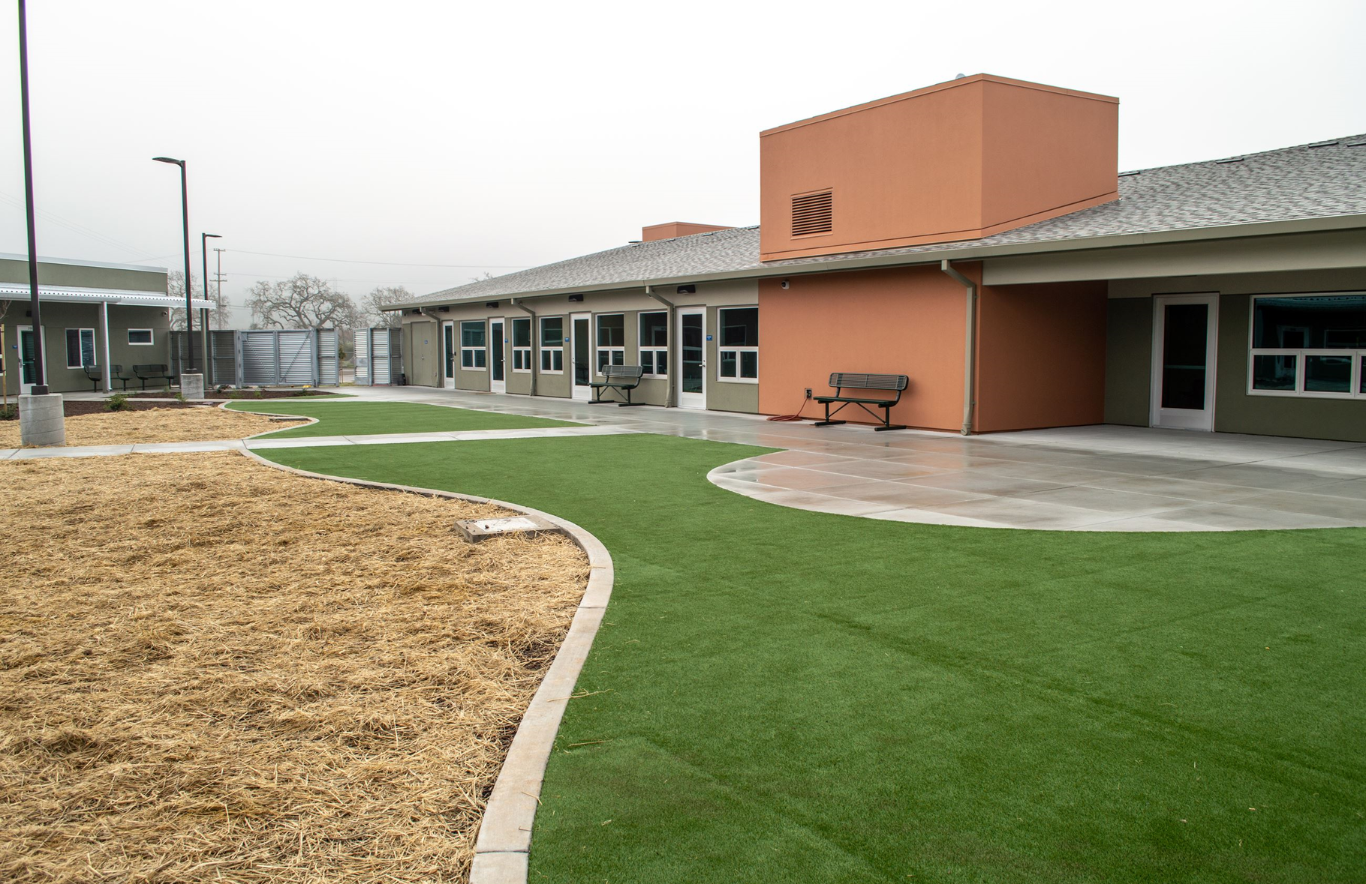
Napa County is moving forward with a significant expansion of its mental health infrastructure, repurposing a former law enforcement facility to create a specialized hub for behavioral health and substance use recovery. The initiative aims to shift the burden of crisis care away from emergency departments and jails, providing residents with a more therapeutic, community-based alternative for stabilization and long-term wellness.
The project centers on the development of a 21,000-square-foot Behavioral Health Treatment Center (BHTC), a move driven by a growing local demand for psychiatric and addiction services. To support this vision, the Napa County Health and Human Services Agency (HHSA) was recently awarded $4.7 million through the California Department of Health Care Services (DHCS) Behavioral Health Continuum Infrastructure Program (BHCIP) Bond Round 2 Napa County Behavioral Health Treatment Center.
With a total estimated investment of approximately $24 million, the project will transform the county’s former Probation Department Reentry Facility—which was originally completed in 2019—into a modern clinical environment Napa County Behavioral Health Treatment Center. By redesigning the existing structure, the county intends to create a safe and therapeutic space that optimizes service delivery for clients and improves the daily operational experience for medical and behavioral health staff.
Expanding Local Capacity for Crisis and Recovery
The new Behavioral Health Treatment Center is designed to bridge critical gaps in the current care continuum. Specifically, the facility will house and expand three essential programs tailored to different levels of acuity, and need.

First, the center will feature a Sobering Center. These units provide short-term, specialized care for individuals experiencing acute intoxication or crisis. By offering a dedicated space for stabilization, the county aims to provide a viable alternative to law enforcement involvement and reduce the overcrowding of local emergency departments.
Second, the BHTC will host a Residential Substance Use Disorder Treatment and Withdrawal Management Program. This program is being relocated from the Napa State Hospital grounds to the new facility to improve the continuity of care and make services more accessible to the general community Napa County Behavioral Health Treatment Center.
Finally, the facility will include a Mental Health Rehabilitation Center designated under the Lanterman-Petris-Short (LPS) Act. This center will support individuals struggling with serious mental illness, severe substance use disorders, or a combination of both. The establishment of this center also assists the county in meeting the legal requirements mandated by Senate Bill (SB) 43 Napa County Behavioral Health Treatment Center.
Addressing the Growing Demand for Behavioral Health
The decision to invest in this infrastructure follows a documented increase in the need for community-based interventions. Jennifer Yasumoto, Director of the Health and Human Services Agency, noted that the demand for these services remains strong throughout the community.
Data from the county’s Mobile Response Team—a program launched in 2022 to provide immediate community-based interventions for those in mental health crises—highlights this trend. Between 2024 and 2025, clinicians from the team provided 25% more in-person responses to help stabilize individuals and connect them with necessary resources Napa County Behavioral Health Treatment Center.
“We are incredibly grateful to receive this full award, which reflects the strength of our project and the need for expanded behavioral health services in our community,” said HHSA Director Jennifer Yasumoto. “This investment allows us to continue building a more responsive, coordinated system of care that supports individuals on their path to wellness and recovery.”
This local effort mirrors a broader statewide priority in California. A chronic shortage of treatment beds and specialized facilities has led the state to implement programs like the BHCIP to fund the creation and improvement of behavioral health infrastructure.
Project Timeline and Implementation
The repurposing of the former Probation Department Reentry Facility is already in the planning stages. The design and planning for the remodel are being led by Nacht and Lewis, the same firm that designed the original building. To handle the physical transformation, Rubicon Builders of Sonoma has been selected as the construction lead.
The project is expected to be completed in late 2026 Napa County Behavioral Health Treatment Center. Once operational, the center will serve as a cornerstone of the county’s strategic initiatives to close service gaps, improve equity in healthcare access, and strengthen partnerships across the public health sector.
As Yasumoto emphasized, the dedicated facility not only expands treatment capacity but also provides a sustainable setting for critical residential programs, positioning Napa County to adapt to evolving treatment needs and changes in state law.
The next major milestone for the project is the completion of the construction phase, currently anticipated for late 2026.
Do you believe more cities should repurpose former government facilities for mental health services? Share your thoughts in the comments below.
Worth a look