The unsung Photographer Behind ”The Terror of War”: A Story of Recognition and Historical Re-evaluation
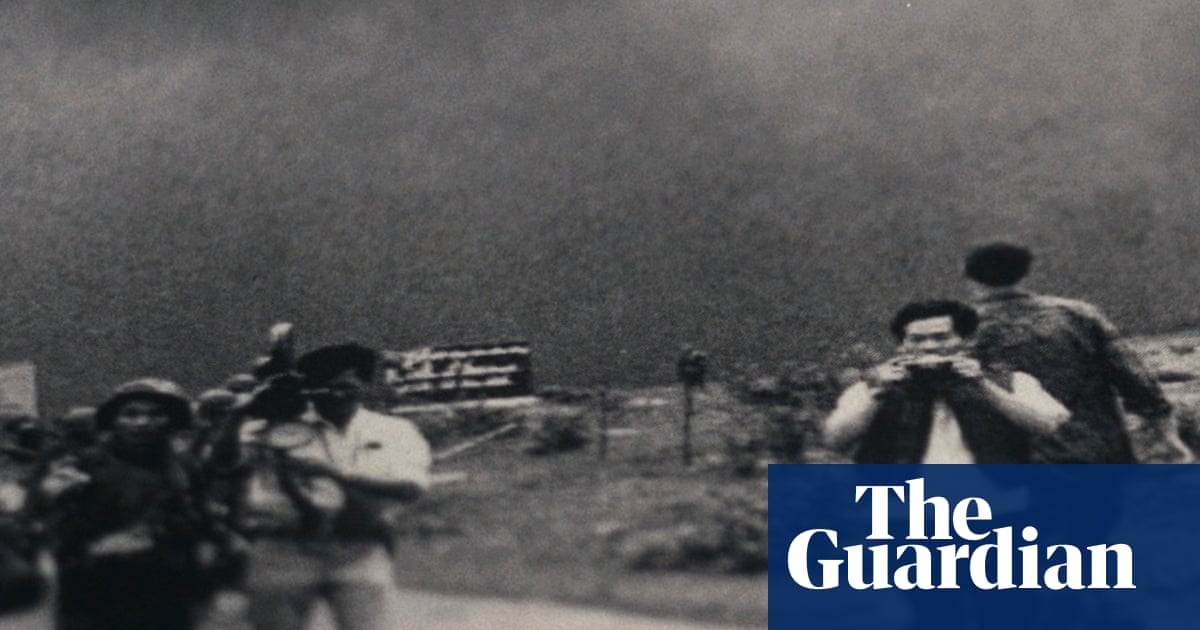
For decades, the iconic photograph known as “The Terror of War” – depicting a naked girl fleeing a napalm attack during the Vietnam War – has been attributed solely to Associated Press photographer Nick Út. Tho, a growing body of evidence, and a compelling new documentary, The Stringer, suggest a crucial, previously unacknowledged contributor: Vietnamese journalist Nguyễn Thành Nghệ. This story isn’t just about correcting a historical record; it’s about acknowledging the often-invisible roles played by local journalists in covering global conflicts and re-examining the power dynamics within journalism itself.
A Question of Authorship
The debate centers around whether Nghệ, a stringer for AP at the time, actually took the initial photograph that Út later re-photographed and submitted to the wire service. Understanding the context is vital. Stringers, unlike staff photographers, operate as freelance correspondents, often working in dangerous conditions with limited resources and recognition.
Several factors contribute to the complexity of this case:
* Competitive Bureau Environment: The AP Saigon bureau was known for its intense competition among photographers.
* Marginalized Role of Stringers: Vietnamese journalists,particularly those not directly employed by AP,lacked the leverage to challenge established narratives.
* Historical Context: A previous tragedy involving Nghệ’s brother, also a journalist working with AP, may have influenced the decision to credit Út exclusively.
* Power Imbalance: The film highlights how the colonial history and systemic biases of the time contributed to the erasure of Vietnamese voices.
The Documentary’s Impact
The Stringer meticulously investigates these factors, presenting interviews with Nghệ, Út, and other individuals involved.It doesn’t aim to diminish Út’s legacy, but rather to expand the narrative and give Nghệ the recognition he deserves.You’ll find the film challenges the conventional understanding of how history is documented and who gets to tell those stories.
The film’s director emphasizes the importance of re-evaluating historical narratives. He points out that, prior to researching this story, even those well-versed in the Vietnam War struggled to name Vietnamese journalists who contributed to the coverage. This underscores a broader issue: the systematic silencing of local perspectives in international reporting.
Why This Matters to You
This isn’t simply an academic debate. it’s a crucial conversation about journalistic ethics, historical accuracy, and the obligation we all share in ensuring diverse voices are heard.Consider the implications for today’s media landscape.
* Who is telling the story?
* Whose perspectives are being prioritized?
* What power structures influence the flow of facts?
These are questions you should be asking yourself as a consumer of news.
A Call for Reckoning
Nghệ himself expresses respect for established news organizations like AP, while also advocating for a critical self-assessment within the industry. He believes a “reckoning” is necessary to address past injustices and ensure a more equitable future for journalism.
Ultimately, the goal isn’t to assign blame, but to foster a more inclusive and accurate understanding of history. As nghệ hopes, viewers will approach The Stringer with an open heart and mind, recognizing the inherent dignity and contribution of individuals like him who have been historically overlooked.
This story serves as a powerful reminder that the truth is frequently enough more nuanced than it appears, and that uncovering the full picture requires a willingness to listen to all voices, especially those that have been silenced for too long.It’s a story about a photograph, yes, but more importantly, it’s a story about justice, recognition, and the enduring power of untold stories.